



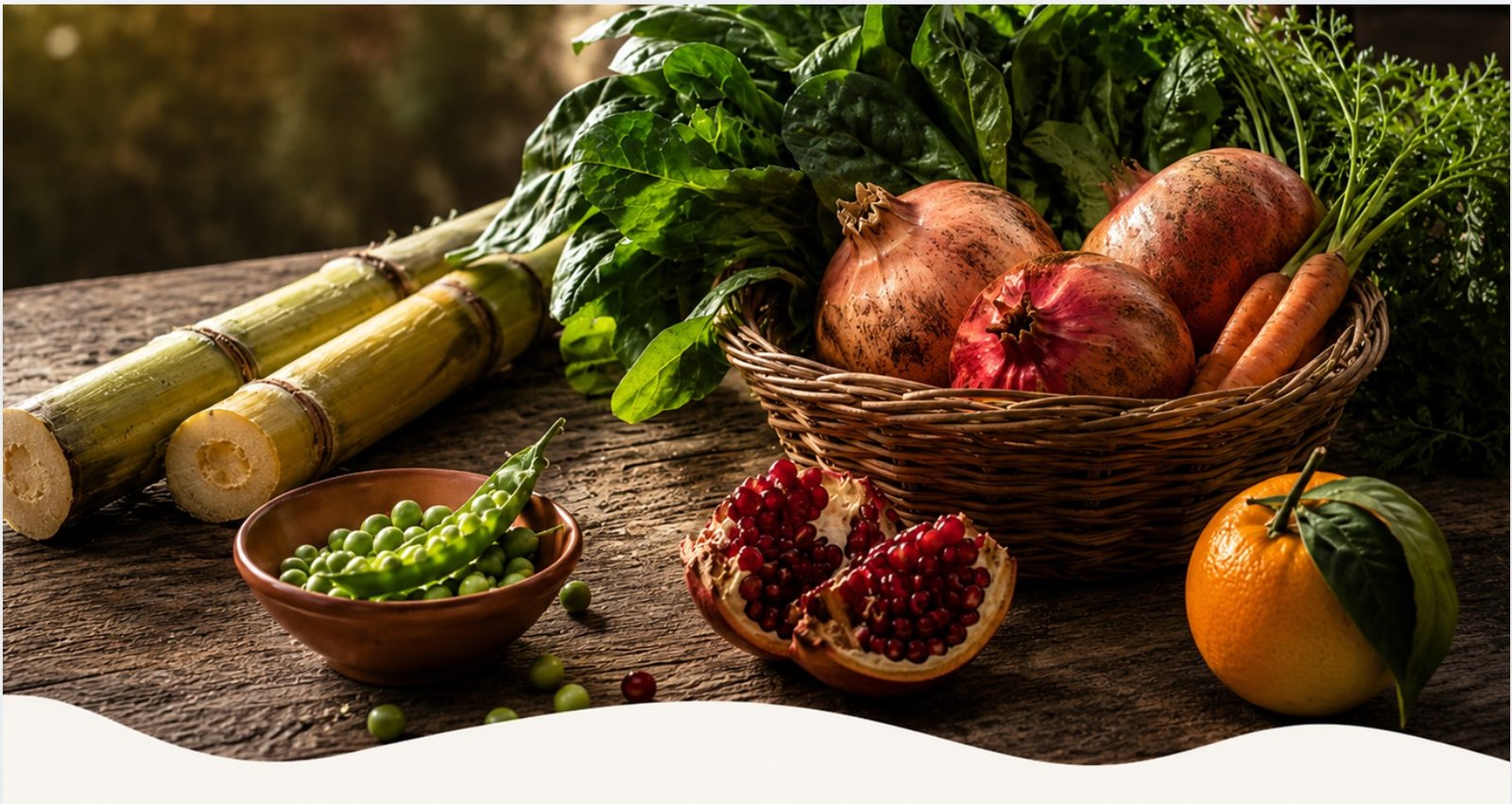
In an age of processed foods, rising stress levels, and increasing lifestyle diseases, any people are turning back to nature in search of better health. While modern medicine remains essential, the timeless wisdom of wholesome foods, fresh produce, and balanced nutrition continues to offer valuable lessons for living well.
Walk through any local fruit market and you will find nature’s most colourful pharmacy. Vibrant oranges, ruby-red pomegranates, crisp carrots, fresh peas, juicy sugarcane, and golden apricots have nourished generations long before wellness became an industry. Today, as rates of obesity, diabetes, cardiovascular disease, and chronic stress continue to rise globally, many health-conscious individuals are rediscovering a simple truth: what we eat profoundly shapes how we feel.
For centuries, traditional healers and philosophers have viewed food not merely as fuel but as a cornerstone of health. The ancient Greek physician Hippocrates famously advised, “Let food be thy medicine and medicine be thy food.” While modern science has refined our understanding of nutrition, the underlying message remains remarkably relevant.
The Growing Appeal of Natural Foods
Fresh fruits and vegetables are particularly valued because they are rich in water, fibre, and protective nutrients that help maintain digestive health and support the body’s natural functions. Their vibrant colours are more than just appealing, they often signal the presence of beneficial nutrients that contribute to long-term health.
Fresh fruits and vegetables are particularly valued because they are rich in water, fibre, and protective nutrients that help maintain digestive health and support the body’s natural functions. Their vibrant colours are more than just appealing, they often signal the presence of beneficial nutrients that contribute to long-term health.
Colourful Foods, Powerful Benefits
Nature offers an impressive variety of foods, each bringing its own unique nutritional advantages.
-
- Carrots: The Vision Booster
- Carrots have long been celebrated for their impressive nutritional profile. Rich in beta-carotene, which the body converts into vitamin A, carrots support eye health, immunity, and healthy skin. Their natural antioxidants also help protect cells from oxidative stress.
- Carrots are widely used in salads, soups, juices, and traditional dishes. During cooler months, they remain a favourite ingredient for those seeking warmth, nourishment, and vitality.
- Carrots: The Vision Booster
-
- Apricots: Small Fruit, Big Nutrition
- Apricots may be modest in size, but they are packed with nutrients. They provide vitamins A and C, dietary fibre, and antioxidants that contribute to healthy skin and overall wellbeing.
- Whether eaten fresh during the summer season or enjoyed dried throughout the year, apricots offer a naturally sweet and nutritious alternative to processed snacks.
- Apricots: Small Fruit, Big Nutrition
-
- Apples: Everyday Wellness in a Fruit
- Among the world’s most widely consumed fruits, apples have earned their reputation as an everyday health ally. Rich in dietary fibre and vitamin C, they support digestive health and contribute to overall wellness.
- The soluble fibre found in apples helps promote a healthy digestive system and may support heart health. Easy to carry and convenient to eat, apples are one of nature’s simplest yet most effective healthy snacks.
- Apples: Everyday Wellness in a Fruit
-
- Pomegranates: Jewels of Vitality
- Few fruits capture attention quite like the pomegranate. Revered for centuries across Asia and the Middle East, its jewel-like seeds are packed with antioxidants, vitamins, and minerals.
- Pomegranates are particularly valued for their polyphenols—natural compounds that help protect the body’s cells from oxidative stress. Their sweet-tart flavour makes them equally suitable for salads, desserts, juices, and traditional cuisine.
Nature offers an impressive variety of foods, each bringing its own unique nutritional advantages.
-
- Peas: Tiny Nutritional Powerhouses
- Often overlooked, green peas are surprisingly nutritious. They contain plant protein, fibre, vitamins, and minerals that support energy production and digestive health.
- Their combination of protein and complex carbohydrates helps provide sustained energy while promoting satiety. Whether added to rice dishes, soups, or vegetable preparations, peas contribute both flavour and nutrition.
- Peas: Tiny Nutritional Powerhouses
-
- Spinach: The Green Powerhouse
When it comes to nutrient density, few vegetables can rival spinach. Packed with vitamins A, C, and K, along with iron, folate, and magnesium, spinach supports immunity, bone health, and overall vitality. - Its versatility makes it a staple ingredient in many cuisines. From traditional saag to soups, salads, and smoothies, spinach provides a simple way to increase daily vegetable intake and enhance nutritional quality.
- Peanuts: More Than a Snack
Carrots have long been celebrated for their impressive nutritional profile. Rich in beta-carotene, which the body converts into vitamin A, carrots support eye health, immunity, and healthy skin. Their natural antioxidants also help protect cells from oxidative stress.
Carrots are widely used in salads, soups, juices, and traditional dishes. During cooler months, they remain a favourite ingredient for those seeking warmth, nourishment, and vitality. - Sugarcane: Nature’s Refreshment
Apricots may be modest in size, but they are packed with nutrients. They provide vitamins A and C, dietary fibre, and antioxidants that contribute to healthy skin and overall wellbeing.Whether eaten fresh during the summer season or enjoyed dried throughout the year, apricots offer a naturally sweet and nutritious alternative to processed snacks.
“Perhaps the future of wellness lies not in discovering something entirely new, but in rediscovering the timeless wisdom that has nourished humanity for generations.”
Food and Modern Wellness
Some traditional wellness philosophies place great emphasis on natural foods as a pathway to better health. While no single food can prevent or cure every illness, a growing body of evidence supports the role of nutritious eating patterns in reducing the risk of many chronic diseases.The healthiest approach is not a choice between food and medicine. Rather, it is a partnership between the two. A nutrient-rich diet, regular physical activity, adequate sleep, stress management, and access to quality healthcare together create the foundation for lifelong wellbeing.
The Wisdom on Our Plates
In the search for better health, it is easy to become distracted by the latest wellness trends, miracle supplements, and quick-fix promises. Yet some of the most powerful tools for wellbeing have always been within reach—fresh fruits, colourful vegetables, wholesome legumes, and simple, nourishing foods.From antioxidant-rich pomegranates to humble carrots, from nutrient-packed spinach to the refreshing sweetness of sugarcane, nature offers an abundance of ingredients that can support a healthy lifestyle. Combined with regular exercise, quality sleep, emotional wellbeing, and appropriate medical care, these foods form the foundation of lasting health.
Perhaps the future of wellness lies not in discovering something entirely new, but in rediscovering the timeless wisdom that has nourished humanity for generations.

- Spinach: The Green Powerhouse