




Parenting from a Nervous System That’s Still Learning Safety
It’s almost never about the mess in front of us. It’s about the pressure we’ve been holding inside for years.
A loud voice, a sudden crash, a cup tipping over it looks like a small moment from the outside. But inside the body of a parent who has been surviving for a long time, it can feel like the final drop that makes everything spill.
Many parents today are living in a quiet paradox. They are guiding their children through growth, emotions, and boundaries while privately trying to understand something basic for themselves: what it feels like to be safe. They are raising children while tending to their own unhealed inner child. This isn’t often acknowledged, yet it explains why parenting can feel so intense even in loving homes.
We frequently tell parents to “stay calm” or “be emotionally regulated.” But regulation is not a moral instruc-tion it’s a nervous system capacity. And if no one ever modeled it for you, you’re not failing. You’re learning something your body never had the chance to learn earlier.
For many parents, daily life runs on a background hum of fight or flight. The body stays alert, tense, and watchful, as if something is always about to go wrong.
In this state, the nervous system isn’t responding to what’s happening now it’s reacting to old stress stored in the body.
When a parent lives in fight and flight:
* Small tasks feel disproportionately heavy
* Ordinary noise feels invasive and painful
* Chores feel trapping rather than routine
* A single spilled cup can trigger an emotional outburst
Not because they are bad parents.
Not because they don’t love their children deeply.
But because their nervous systems are overloaded and running on empty.
Why Survival Mode Takes Over
Psychologically, long-term stress reshapes the way the brain and body communicate. If you grew up in an environment where emotions were dismissed, punished, or ignored, your nervous system adapted by staying alert. Calm wasn’t taught it wasn’t safe or available. Survival became the skill.
Parenthood brings these patterns to the surface. Children are noisy, unpredictable, emotionally honest, and dependent. For a dysregulated nervous system, this level of stimulation can feel like threat rather than normal development.
In triggering moments, the thinking part of the brain recedes. The body reacts first. You may snap, shout, freeze, or withdraw before you’re even aware of what’s happening. Once the moment passes, guilt often follows. You analyze the situation, promise yourself you’ll handle it better next time. But awareness alone cannot override a nervous system that hasn’t yet learned safety.
What Dysregulation Feels Like Inside the Body
Many parents think they are “overreacting,” when in reality their bodies are overwhelmed. Dysregulation announces itself through sensation long before it turns into behavior.
You might experience:
• Tightness in the chest or throat
• Shallow breathing or breath holding
• Jaw tension, headaches, or neck pain
• A sudden rush of heat or agitation
• A buzzing, restless energy under the skin
• Rigid shoulders or clenched hands
• A strong urge to escape, yell, or shut down
These sensations are not signs of weakness. They are signals. Your nervous system is asking for relief and reassurance.
Why Reparenting Yourself Is Essential
You cannot scold yourself into calm. You cannot shame your way into patience. Regulation grows from safety, not self-criticism.
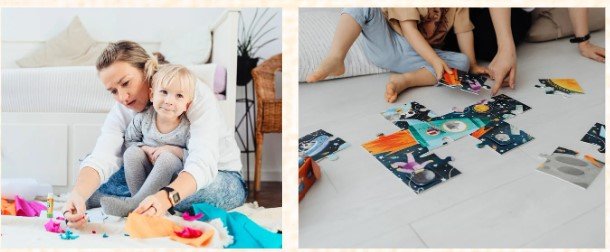
Reparenting yourself means learning to respond to your own distress the way a steady caregiver would: with presence, reassurance, and gentleness. It means pausing instead of pushing, softening instead of forcing.
For many parents, daily life runs on a background hum of fight or flight. The body stays alert, tense, and watchful, as if something is always about to go wrong. In this state, the nervous system isn’t responding to what’s happening now it’s reacting to old stress stored in the body.
When a parent lives in fight and flight:
* Small tasks feel disproportionately heavy
* Ordinary noise feels invasive and painful
* Chores feel trapping rather than routine
* A single spilled cup can trigger an emotional outburst
When you begin to reparent yourself, a subtle shift happens. You stop unconsciously asking your child to regulate your emotions for you. You become the stabilizing presence rather than reacting from overwhelm. Healing yourself isn’t selfish, it’s one of the most responsible acts of parenting.
Not because they are bad parents.
Not because they don’t love their children deeply.
But because their nervous systems are overloaded and running on empty.
Psychologically, long-term stress reshapes the way the brain and body communicate. If you grew up in an environment where emotions were dismissed, punished, or ignored, your nervous system adapted by staying alert. Calm wasn’t taught it wasn’t safe or available. Survival became the skill.
Parenthood brings these patterns to the surface. Children are noisy, unpredictable, emotionally honest, and dependent. For a dysregulated nervous system, this level of stimulation can feel like threat rather than normal development.
In triggering moments, the thinking part of the brain recedes. The body reacts first. You may snap, shout, freeze, or withdraw before you’re even aware of what’s happening. Once the moment passes, guilt often follows. You analyze the situation, promise yourself you’ll handle it better next time. But awareness alone cannot override a nervous system that hasn’t yet learned safety.
“When little people are overwhelmed by big emotions, it’s our job to share our calm, not join their chaos.”
— L. R. Knost
Yogic Practices to Soothe the Nervous System
Yoga helps the body learn safety directly, without needing words.
Grounded Breathing
Place one hand on your belly and breathe slowly, noticing the rise and fall. This reassures the brain that the moment is safe.
Extended Exhales
Inhale for four counts, exhale for six or eight. Lengthening the exhale tells the nervous system it can settle.
Gentle Forward Folds
Forward bends reduce sensory overload and quiet mental chatter.
Supported Child’s Pose
Rest your forehead on a cushion or block and stay longer than feels comfortable. This posture is deeply regulating for the inner child.
Micro-Regulation Pauses
Even a few intentional breaths between tasks can prevent stress from accumulating.
NLP Techniques to Calm and Rewire
Neuro-Linguistic Programming offers simple tools to reduce intensity and shift internal responses.
Soften Your Self-Talk
Your nervous system responds to language. Replace “I can’t handle this” with “This is intense, and I can slow it down.”
Anchor a Calm State
Recall a moment when you felt safe or relaxed. Notice where that feeling lives in your body. Gently press your thumb and finger together while holding that sensation. Repeat often.
Mental Rehearsal
Visualize yourself responding calmly in a future triggering moment. The brain learns through imagined practice.
Reduce the Mental Load
Instead of “Everything is too much,” ask, “What’s the next smallest step?” Smaller steps feel safer to the nervous system.
Reflection Practices for Reparenting
Reparenting is built through consistency, not perfection. It begins with shifting the inner question from “What’s wrong with me?” to “What does my body need right now?” Simply naming the experience, “A part of me feels overwhelmed” creates space between you and the reaction. Offering yourself reassurance, such as “I’m allowed to struggle,” “This moment will pass,” and “I’m learning,” softens self-criticism and builds emotional steadiness. Practicing repair is equally important; apologizing when necessary strengthens emotional safety and trust rather than weakening authority.
Parenting While Healing
You are not broken because parenting feels hard. You are parenting with a nervous system shaped by your past while consciously trying to create a calmer future.
Healing doesn’t mean you’ll never react again. It means you recognize it sooner, recover more gently, and speak to yourself with compassion instead of shame.
A spilled cup is rarely just about the mess.
It’s about a nervous system asking to be met with care.
Author is Child psychologist & Holistic Child Development Expert @mindfulme.official @holistic_yogalounge