



Understanding Doshas & Weight Gain
Ayurveda explains body weight through the balance of the three doshas, Vata, Pitta, and Kapha, with weight gain most often linked to a Kapha imbalance that slows metabolism and increases cravings for heavy, oily, and sweet foods. Not all fat is viewed equally: subcutaneous fat beneath the skin is relatively less harmful, while visceral fat surrounding internal organs is closely associated with diabetes, heart disease, and high cholesterol. Chronic stress raises cortisol levels, encouraging abdominal fat storage, particularly visceral fat. After the age of 35–40, hormonal changes and loss of muscle mass naturally slow metabolism, making weight management more challenging and necessitating dietary and lifestyle adjustments.

Food and Digestion in Ayurvedic Weight Loss
Ayurvedic nutrition emphasises seasonal, home-cooked meals prepared with light, mindful cooking methods. Oils should be chosen according to climate: mustard oil or ghee in winter to support warmth and digestion, and coconut or olive oil in summer for lighter metabolism, with all oils used sparingly and deep-frying avoided. A balanced meal includes dal, fresh vegetables, whole grains such as millet or whole-wheat roti, light khichdi, and moderate portions of brown rice. Carbohydrates provide energy, while proteins from lentils, legumes, fish, or lean meats preserve muscle mass. Processed foods, bakery items, sugary drinks, fried snacks, and heavy late-night meals disturb insulin balance and promote fat accumulation.
Lean meats such as chicken and fish are preferred over red meat and should be consumed earlier in the day, ideally at lunch when digestive fire is strongest. Portions should remain modest, and yoghurt or raita may be included to support gut health. Digestive spices—ginger, cumin, ajwain, black pepper, cinnamon, and turmeric—play an essential role in stimulating metabolism and improving fat utilisation. Portion control is central to weight loss, with half the plate filled with vegetables, one quarter with carbohydrates, and one quarter with protein. Eating should stop at about 75–80 per cent fullness, with dinner completed by 8–9 pm. Occasional overnight fasting of 12–16 hours can further support digestion and insulin sensitivity. While salads are often considered healthy, Ayurveda cautions against excessive raw vegetables, particularly for Kapha types, favouring lightly cooked vegetables instead.

Food and Digestion in Ayurvedic Weight Loss
Ayurveda places equal importance on lifestyle as on diet. Mindful eating—without screens or distractions—improves digestion and prevents overeating, while chewing thoroughly strengthens digestive fire. A brief moment of gratitude before meals can reduce stress-related eating.

Restorative sleep, ideally before 10 pm, supports hormonal balance and metabolism, while poor sleep increases stress and weight gain. Hydration is also essential; six to eight glasses of warm water daily help regulate appetite and detoxification. Herbal infusions such as cinnamon, cumin, fennel, ginger, and tulsi further support digestion and metabolic health, while sugary and cold beverages should be avoided.
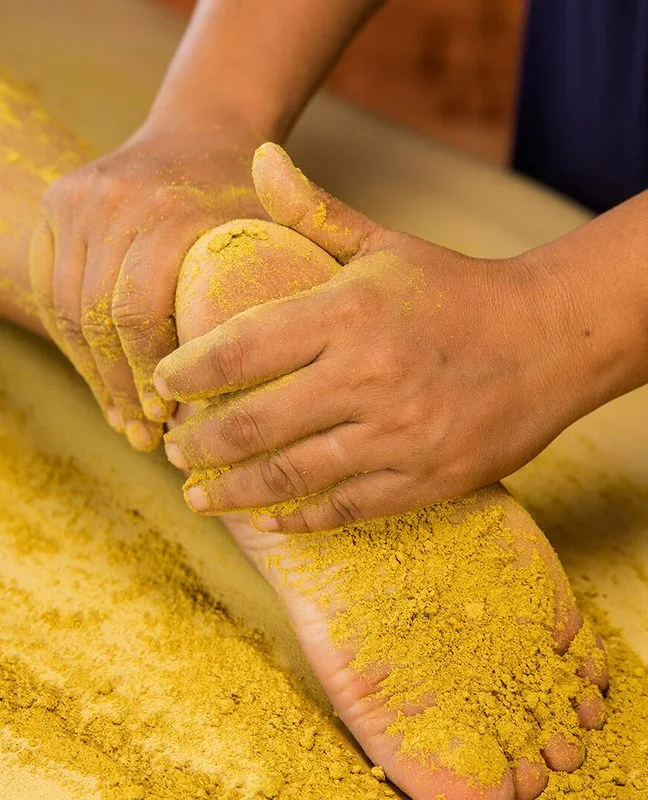
Daily movement is vital for sustainable weight loss. Regular walking, especially after meals, improves digestion and fat metabolism. Yoga postures such as Surya Namaskar, Trikonasana, Bhujangasana, Setu Bandhasana, Pawanmuktasana, and Vrikshasana strengthen the body and improve circulation, while pranayama practices like Anulom Vilom and Bhramari calm the nervous system and reduce cortisol levels. Meditation, prayer, and consistent gentle activity help reduce belly fat and support long-term metabolic balance.
Ayurveda in the Modern Pakistani Context
Traditional Pakistani foods such as dal, sabzi, khichdi, and chapati are naturally aligned with Ayurvedic principles, while modern habits—frequent fast food, fried snacks, sugary drinks, bakery items, and irregular meal timings—promote Kapha imbalance and visceral fat accumulation. Small, consistent changes such as home cooking, seasonal oils, digestive spices, moderate brown rice, raita, and brisk walking can restore balance. Ayurveda also offers supportive dietary guidance for common conditions: bitter vegetables, cinnamon tea, and post-meal walks for diabetes; warm water with lemon, garlic, and turmeric for high cholesterol; and simple, lightly cooked meals with ajwain, fennel, and ginger for IBS and digestive sensitivity.

Classical Principles for Sustainable Health
Classical Ayurvedic texts emphasise three pillars of well-being: aahara (fresh, warm, easily digestible food), vihara (disciplined daily movement and routine), and nidra (restorative sleep). By strengthening digestive fire (agni) and reducing toxins (ama), the body naturally moves toward balanced weight, healthier fat distribution, and improved metabolism. In this holistic approach, every mindful meal, gentle walk, and warm cup of water becomes a step toward lasting health and harmony.
Aasiya Rizvi (Author & Ayurveda Practitioner) aasiya@post.com
At a Glance
Ayurvedic Weight Loss Essentials
Why weight gain happens
- Linked mainly to Kapha imbalance → slow metabolism, heaviness, cravings
- Stress = belly fat due to high cortisol
- After 35–40, metabolism slows; food and movement must adapt with age
Know your fat
- Subcutaneous fat: softer, under the skin, less risky
- Visceral fat: deep belly fat around organs; raises risk of diabetes and heart disease
Eat to balance Kapha
- Prefer home-cooked, warm, seasonal foods
- Use small amounts of seasonal oils (ghee/mustard in winter, coconut/olive in summer)
- Half plate vegetables, ¼ carbs, ¼ protein
- Stop at 75–80% fullness
Support digestion (Agni)
- Key spices: ginger, cumin, ajwain, turmeric, black pepper
- Choose lightly cooked vegetables over large raw salads
- Avoid late-night heavy meals and sugary drinks
Move daily, gently
- 30–45 minutes walking (even split into shorter walks)
- Yoga: Surya Namaskar, Trikonasana, Bhujangasana
- Pranayama: Anulom Vilom, Bhramari
Sleep & rhythm matter
- Sleep before 10 pm, wake near sunrise
- Poor sleep increases weight gain and cravings
Simple Ayurvedic rule
Balance diet (Aahara), lifestyle (Vihara), and sleep (Nidra) to reduce fat, restore metabolism, and sustain weight loss.
Small daily choices—not extremes—create lasting change.