




Austrian Ethnomusicologist Warns of Afghanistan’s Vanishing Heritage
The Embassy of Austria in Pakistan recently hosted an intellectually rich and musically evocative evening at the Austrian Residence in Islamabad, bringing together diplomats, academics, artists, and members of the cultural community for a special lecture and concert by Dr. Marko Kölbl, a young and dynamic Austrian ethnomusicologist, pianist, researcher, and performer whose work bridges music, migration, identity, and belonging.
Organised as part of the Austrian Embassy’s ongoing cultural diplomacy initiatives, the evening explored how music transcends borders, preserves memory, and gives voice to marginalized communities across the world.
Dr. Kölbl currently serves as Assistant Professor and Chair of the Department of Folk Music Research and Ethnomusicology at the University of Music and Performing Arts Vienna (mdw), one of Europe’s leading institutions for music scholarship and performance. Trained in classical piano and ethnomusicology, his interdisciplinary work spans themes as diverse as migration, minority identity, gender, sexuality, mourning traditions, racism, and the politics of cultural expression.

His current postdoctoral research focuses on Afghan music traditions and the refugee experience. Having conducted extensive fieldwork across Austria, Croatia, Bosnia and Herzegovina, Iran, Turkey, and now Pakistan, Dr. Kölbl represents a new generation of scholars using music not merely as performance, but as a lens through which societies can understand displacement, resilience, and coexistence.
In his lecture titled “Music and Minorities: Sonic Communities Beyond Borders,” Dr. Kölbl reflected on the complex relationships between music, identity, and power structures within multicultural societies.
One of the most poignant moments of the evening came when Dr. Kölbl spoke about the rapid disappearance of Afghanistan’s traditional musical heritage under Taliban rule. He explained to the audience how musical instruments are being destroyed, public performances prohibited, and musicians silenced or forced into exile. He described the crisis not merely as a political issue, but as a cultural erasure threatening centuries of artistic memory and identity. Through his research among Afghan refugee communities, he highlighted how displaced musicians are struggling to preserve traditions that are increasingly under threat within Afghanistan itself.
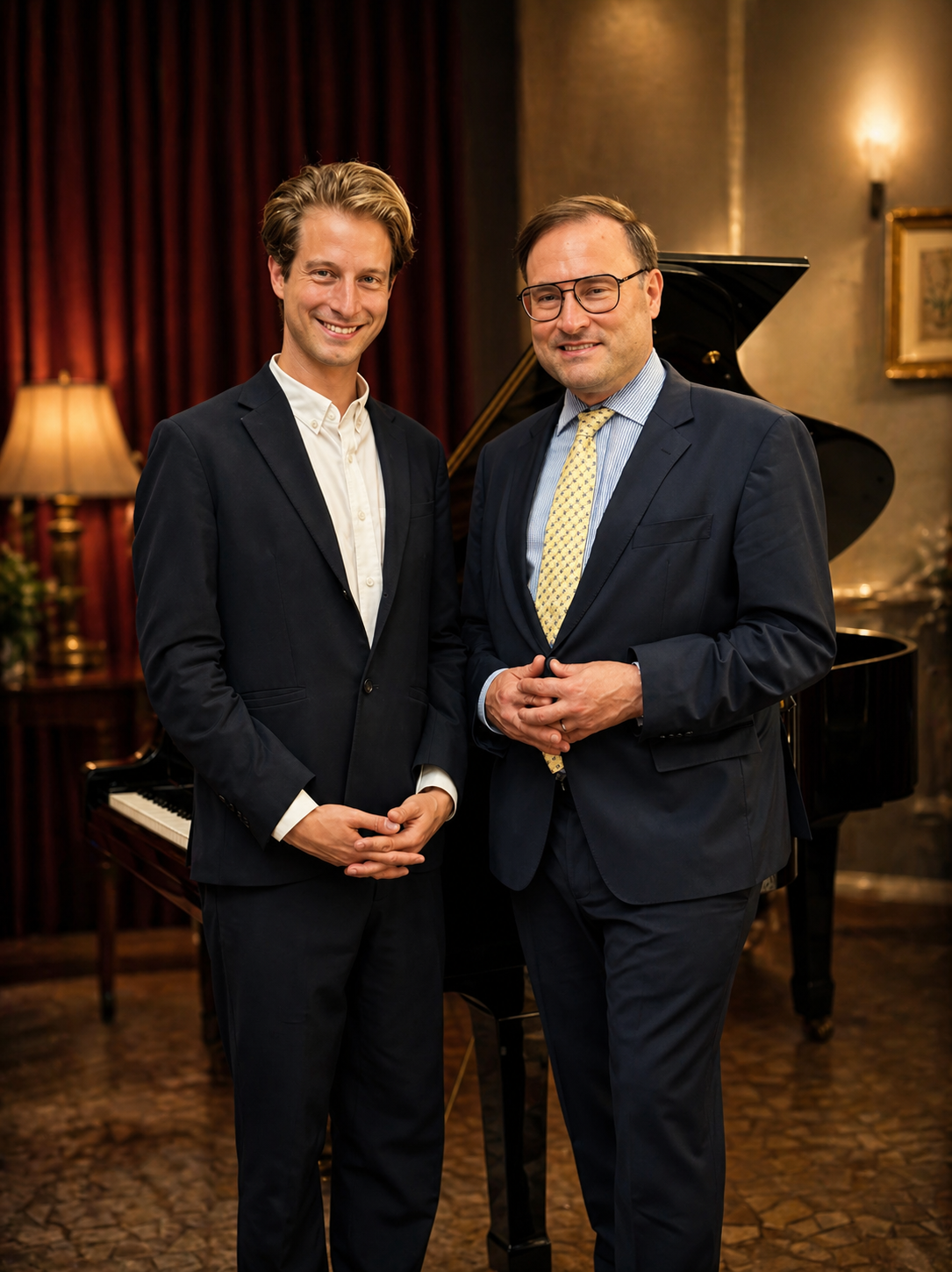
The evening transitioned seamlessly from academic reflection to artistic immersion through a moving concert performance by Dr. Kölbl. The repertoire included traditional folk songs from the Croatian region of Međimurje, known as “Međimurske popevke,” which were inscribed on UNESCO’s Representative List of the Intangible Cultural Heritage of Humanity in 2018. He also performed Sevdalinka, the deeply emotional Bosnian urban folk music tradition recently recognized by UNESCO for its cultural significance.
The concert concluded with a stirring rendition of Funérailles from Harmonies poétiques et religieuses by Franz Liszt, showcasing Dr. Kölbl’s command over both scholarly interpretation and classical performance.
More than a cultural evening, the event reflected the growing importance of music as a tool of dialogue in an increasingly polarized world. By bringing together scholarship, heritage, migration narratives, and performance, the Austrian Embassy succeeded in creating a space where art became diplomacy and where music reminded audiences that human stories often resonate far beyond borders.