



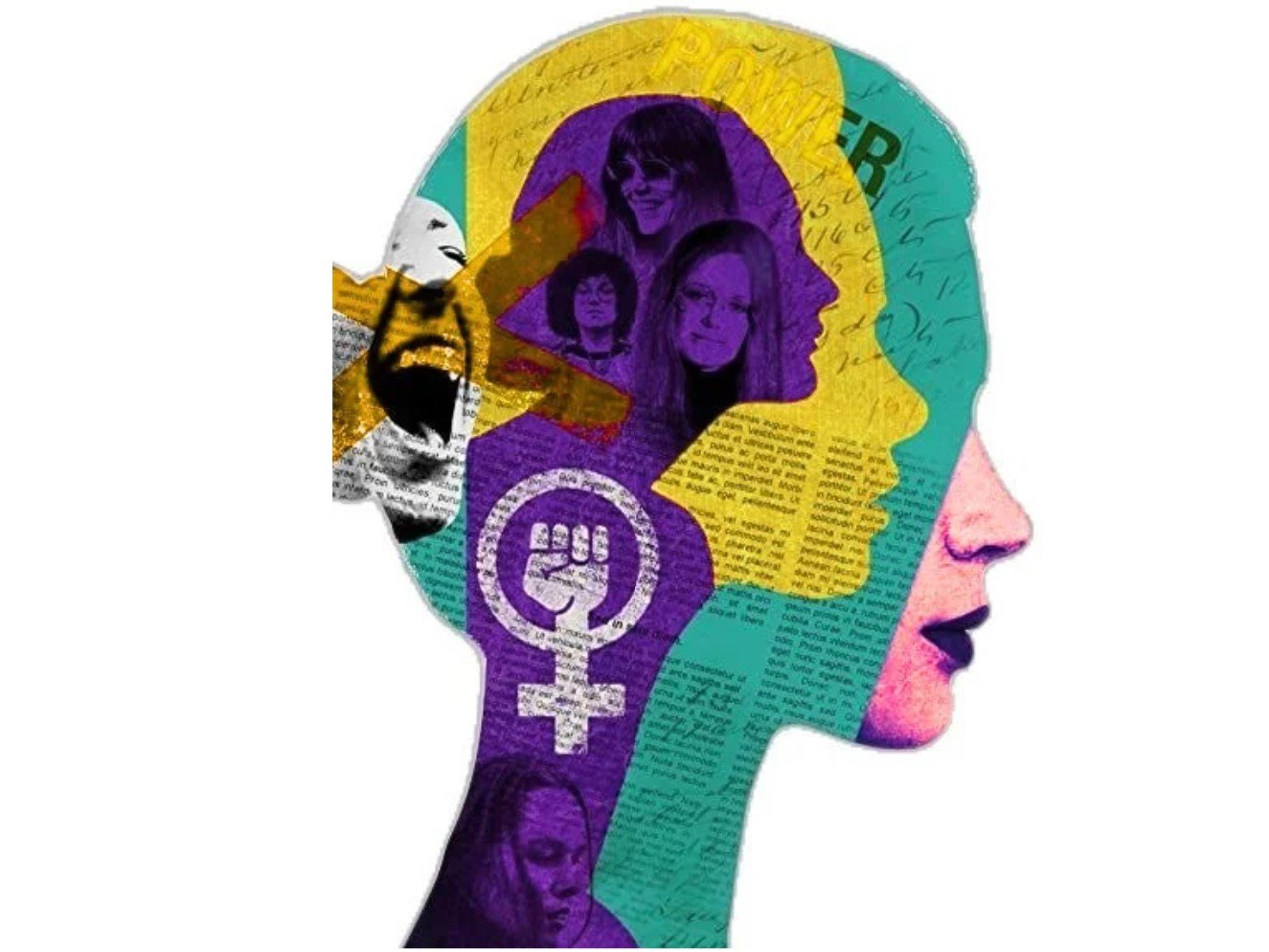
From honour killings and acid attacks to cyber-enabled harassment and institutional failures, violence against women continues to expose the gap between legal reform and lived reality in Pakistan.
Violence against women remains one of Pakistan’s most persistent and complex national challenges. It is frequently discussed as a human rights issue or a matter of criminal justice. Yet its implications extend far beyond individual victims and families. Gender-based violence affects public health, economic productivity, educational attainment, social cohesion, and ultimately the quality of governance itself.
Despite decades of legislative reforms, policy commitments, and growing public awareness, violence against women continues to occur at alarming levels across the country. Pakistan today possesses a stronger legal framework for women’s protection than at any point in its history. Laws addressing domestic violence, workplace harassment, honour crimes, rape, cybercrime, and child marriage have been enacted across various jurisdictions. Yet violence remains pervasive, revealing a troubling disconnect between legal protections and lived realities.
According to monitoring data compiled by the Sustainable Social Development Organization (SSDO), more than 32,000 cases of gender-based violence were reported nationwide during 2024, including rape, domestic violence, honour killings, and abductions. Human rights organizations caution that these figures likely represent only a fraction of actual incidents, as many survivors remain reluctant or unable to seek legal recourse due to stigma, fear of retaliation, economic dependence, and social pressure.
The persistence of such violence raises a critical question: why does the problem continue despite stronger laws, greater awareness, and expanding institutional mechanisms?


The Numbers Tell a Disturbing Story
According to SSDO, more than 15,000 cases of violence against women were reported in Punjab during the first six months of 2025 alone. The report estimated that approximately 85 women experienced violence every day. It further indicated that several women were subjected to sexual violence daily across the province.
Nationally, previously reported figures documented more than 24,000 kidnappings and abductions of women and girls, over 5,300 rape cases, more than 2,200 incidents of domestic violence, and hundreds of honour killings.
The situation in Islamabad is equally concerning. During the first half of 2025, SSDO recorded 373 cases of violence against women in the federal capital. These included rape, kidnapping, physical assault, harassment, cybercrime, and honour killings. Particularly troubling was the finding that none of these cases reportedly resulted in a conviction during the reporting period.
These statistics reveal a troubling reality. While reporting mechanisms may be improving, accountability remains elusive. The gap between reporting and justice continues to undermine public confidence and leaves many survivors without meaningful legal recourse.
Is Violence Increasing or Are More Women Reporting?
A recurring question in policy discussions concerns whether violence itself is increasing or whether greater awareness has simply encouraged more women to report abuse. The answer appears to be both.
Over the past decade, media coverage, women’s rights advocacy, helplines, digital reporting platforms, and social media campaigns have expanded public awareness regarding gender-based violence. More women today are familiar with their legal rights and available support mechanisms than ever before.
The growing willingness of survivors to seek justice is undoubtedly a positive development. However, increased reporting should not be interpreted as evidence that the problem is being resolved. Instead, it reveals the magnitude of violence that has long remained hidden beneath the surface.
The rise in reported cases may therefore reflect both improved reporting and the continued persistence of deeply rooted social and structural drivers of violence.
The Deep Roots of Patriarchy
Violence against women is not merely the result of individual criminal behaviour. It is rooted in social norms and power structures that continue to assign unequal status to men and women.
Across many communities, women remain subject to restrictions regarding mobility, education, employment, marriage, and personal autonomy. Family honour is frequently linked to women’s behaviour, creating environments where coercion and control become normalized. The persistence of honour-based violence demonstrates how deeply entrenched these attitudes remain.
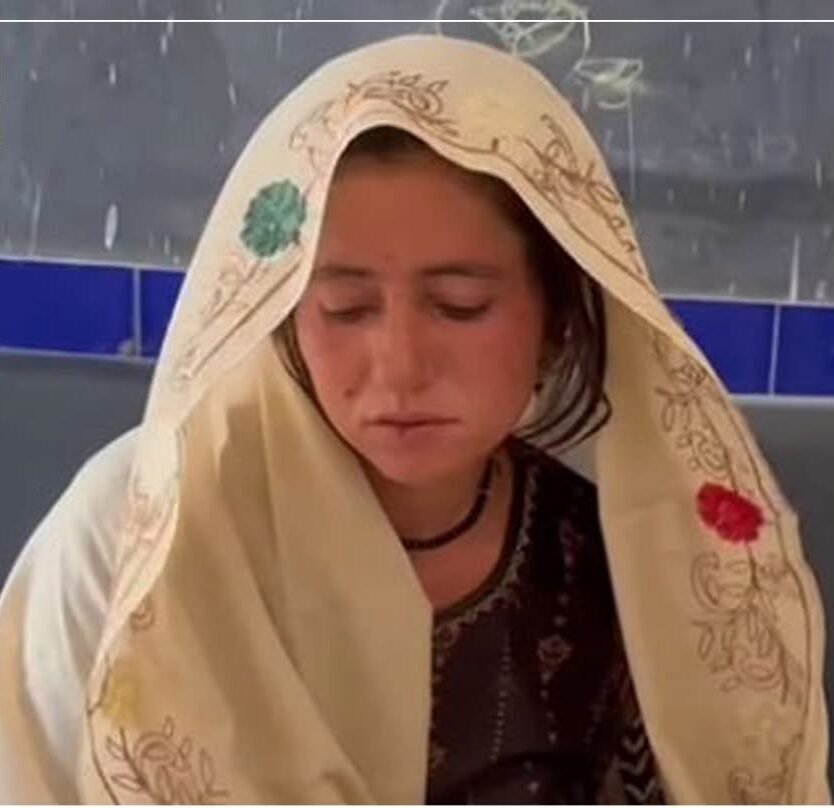
This reality was starkly illustrated in 2025 when Bano Bibi and Ehsan Ullah Samalani were reportedly killed in Balo-chistan after marrying by choice. The killings, allegedly sanctioned through a tribal jirga, generated national outrage and renewed debate regarding the continued influence of customary practices operating outside the framework of state law.
The incident highlighted a fundamental challenge confro-nting policymakers: legislation can criminalize violence, but it cannot by itself transform social attitudes that justify or tolerate it.
Violence in the Digital Age: When Women’s Visibility Becomes a Risk
While honour killings and domestic violence continue to dominate public discourse, violence against women is increasingly manifesting in new and troubling ways. As women gain greater visibility through education, employment, entrepreneurship, media, and digital platforms, they are also encountering new forms of harassment, stalking, intimidation, and violence.
One of the most widely discussed cases of recent years was the murder of teenage social media influencer Sana Yousaf in Islamabad. Police investigators stated that the accused had repeatedly sought contact with Sana Yousaf and that the killing was linked to those interactions. The case generated widespread public debate because it highlighted a broader societal challenge: the refusal by some individuals to accept a woman’s right to make her own choices.
Unlike traditional honour crimes, the incident reflected a disturbing form of gender-based violence rooted in entitlement, obsession, and the rejection of female autonomy.
As Pakistan’s digital economy continues to expand and increasing numbers of women establish a presence on social media platforms, policymakers will need to confront the growing intersection between online harassment and offline violence. Stronger cyber-harassment laws, digital safety mechanisms, anti-stalking measures, and awareness regarding consent and personal boundaries must become integral components of any comprehensive strategy to combat violence against women.
Poverty and Economic Dependence
Economic vulnerability remains one of the most significant risk factors associated with violence against women.
Women who lack independent incomes often face immense barriers when attempting to leave abusive environments. Access to housing, legal representation, employment opportunities, and social support services remains limited for many survivors.
Pakistan’s female labour force participation rate remains among the lowest in South Asia. Financial dependence frequently forces women to remain in situations that threaten their safety and well-being.
Economic empowerment is therefore not merely a development objective; it is an essential component of violence prevention. Women who have access to education, employment, property rights, and financial resources are often better positioned to seek protection and exercise agency over their lives.
Why Laws Alone Have Not Been Enough
Pakistan has enacted a range of laws addressing domestic violence, workplace harassment, honour crimes, rape, cybercrime, and child marriage. Provincial governments have established protection centres, helplines, and support mechanisms for survivors.
Yet implementation remains inconsistent. Weak invest-igations, procedural delays, insufficient evidence collec-tion, witness intimidation, and limited survivor protection frequently prevent cases from progressing through the justice system. Low conviction rates undermine deterrence and weaken public confidence in legal institutions.
Among the most notable initiatives is the Meri Awaz Maryam Nawaz Virtual Women Police Station, which enables women to report harassment, domestic violence, and other crimes through digital platforms without physically visiting police stations.
The Women Safety App has also been expanded to provide emergency assistance, SOS alerts, location-sharing services, and direct communication channels with law enforcement authorities.
In addition, Women Police Squads and Women Safety Patrol Units have been deployed in major urban centres to improve security in public spaces and provide rapid responses to complaints of harassment and abuse.
The Punjab government has also continued expanding Safe City surveillance systems and strengthening women protection centres aimed at providing integrated support services.
These initiatives represent an important shift toward technology-enabled and citizen-centred policing. Their long-term success, however, will depend upon institutional capacity, adequate funding, and effective implementation across both urban and rural areas.
New Legislative Measures and the Continuing Threat of Acid Violence
The Punjab Acid Control Bill seeks to regulate the sale, storage, and distribution of acid while strengthening penalties and oversight mechanisms related to acid-related crimes. The proposed legislation aims to address longstanding concerns regarding the accessibility of corrosive substances and the devastating consequences of their misuse.
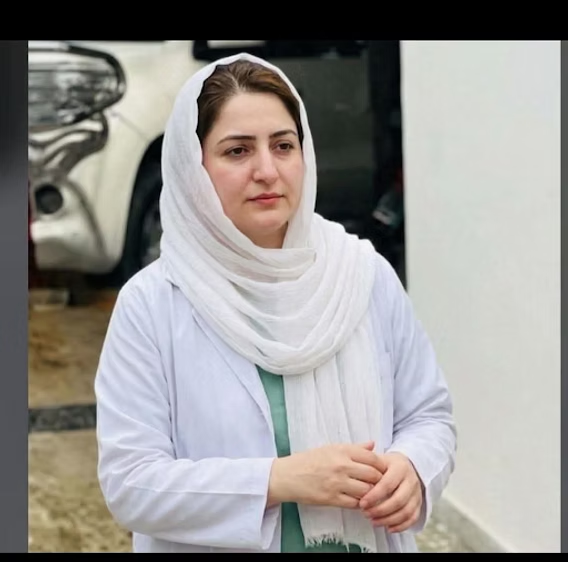
The urgency of such measures has been reinforced by a series of disturbing incidents. Recently, according to hospital officials and media reports, Dr. Mah Noor Nasir sustained serious injuries in an acid attack while on duty at a public hospital in Quetta.
The attack generated nationwide concern because it occurred within a professional setting, demonstrating that violence against women is not confined to homes or private disputes. Even highly educated women occupying positions of public service remain vulnerable to acts of extreme violence.
These incidents underscore the need for stronger regulation, effective enforcement, workplace protections, and broader societal efforts to address gender-based violence in all its forms.
Violence Against Women Is a Development Challenge
Violence against women should not be viewed solely through the lens of law enforcement. It is equally a development issue.
Women who experience violence are more likely to suffer long-term health complications, interrupted education, reduced workforce participation, and psychological trauma. These outcomes affect not only individuals but also families, communities, and the national economy.
For a country such as Pakistan, where female labour force participation already remains comparatively low, the economic consequences of violence extend well beyond individual households and affect national development outcomes.
A country cannot achieve inclusive growth while half of its population remains vulnerable to violence and insecurity.
Pakistan’s commitments under the Sustainable Development Goals, particularly Goal 5 on gender equality, require meaningful progress in eliminating all forms of violence against women and girls.

From Silence to Action
The recent cases across Balochistan, Islamabad, Punjab and Quetta reveal a deeper and persistent national crisis. From violence rooted in tribal notions of honour and the rejection of women’s autonomy to acid attacks, retaliatory abuse and workplace violence, the forms may differ, but they point to the same underlying reality that women continue to face violence across provinces, classes and circumstances.
More troubling is the gap between law and justice. Hundreds of reported cases, coupled with negligible conviction rates, raise serious questions about enforcement, investigation and accountability.
Violence is no longer confined to the home or a particular cultural setting; it extends across rural and urban communities, workplaces, public institutions and digital spaces.
The true measure of Pakistan’s progress will therefore not be the number of laws enacted, helplines established or applications launched, but whether these mechanisms translate into safety and justice. Until women can live, work, study and participate in society without fear, Pakistan’s pursuit of inclusive development, social justice and sustainable prosperity will remain incomplete.