



CIMMYT Strengthens Wheat-Research in Pakistan with Laboratory-Equipment and Farm Machinery
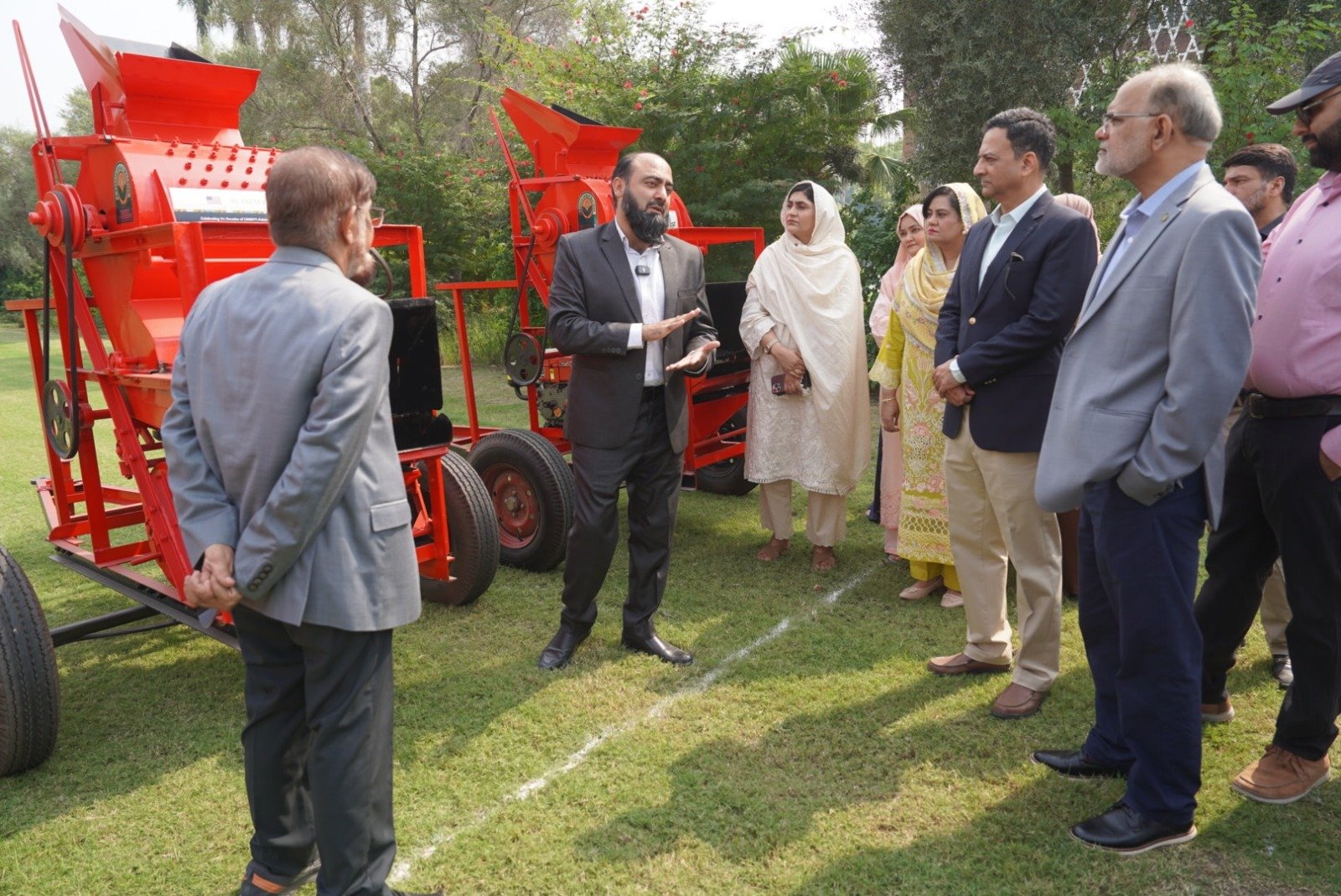
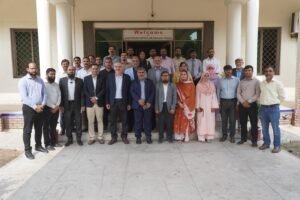
Faisalabad – 13 October 2026 (Adnan Hameed) : The International Maize and Wheat Improvement Center also known as CIMMYT, in collaboration with the Government of Pakistan, inaugurated a dedicated laboratory/working area at the Wheat Research Institute, Ayub Agricultural Research Institute (AARI), Faisalabad, on Tuesday and distributed farm machinery and laboratory equipment to national agricultural research partners.
The support is designed to strengthen wheat breeding programs, improve seed processing and help researchers generate timely and reliable field trials’ data.
This year, the wheat research community is celebrating six decades of knowledge and germplasm sharing between CIMMYT and Pakistan.
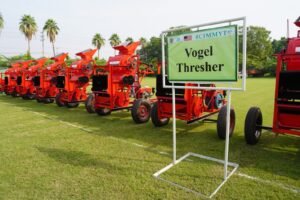
Special initiative was taken by CIMMYT to strengthen the capabilities of its national partners, says press note. It included provision of machinery and equipment, upgradation of laboratory facilities and upscaling climate resilience and biofortification innovations along with national and international training. Specifically, it includes three seed cleaner-cum-graders, 10 zero-tillage seed-cum-fertilizer drills and experimental threshing equipment for 11 research institutes, alongside laboratory equipment and upgradation of dedicated working areas at five partner institutes across the country.
Pakistan’s food security depends on strong research institutions and capacity building of our national scientists. These facilities and equipment will help them address the challenges being facedby the wheat farmers, while our partnership with CIMMYT continues to strengthen national crop improvement efforts,” said Dr Javed Ahmad, Chief Scientist /Director Wheat Research Institute, AARI.
The laboratory support covers institutes in Punjab, Sindh, Khyber Pakhtunkhwa and Islamabad. Equipment includes digital weighing scales, seed counters, pH meters, vertical deep freezers, spectrophotometers and canopy temperature meters, supporting sample measurement and analysis, storage of research material and field assessment.
Seed cleaner-cum-graders remove impurities and sort seed by size and thickness to improve purity and uniformity. These graders are provided to partner institutes actively producing foundation seeds of nutrient enriched varieties to combat the hidden hunger due to malnutrition. Single-head, single-plant and Vogel threshers are more research-oriented machinery which enable researchers to process individual wheat heads, small plant samples and experimental seed lots, reducing manual work while helping limit grain damage and losses.
Reliable field trials and careful handling of breeding materials are essential for wheat improvement. Equipping our national partners with the necessary tools and equipment will strengthen their capacity to evaluate promising lines and develop climate-resilient varieties for farmers. Building on six decades of collaboration between CIMMYT and Pakistan, this support reinforces our shared commitment to advancing wheat research and contributing to food security for Pakistan’s 250 million people,” said Dr Flavio Breseghello, Director of CIMMYT’s Global Wheat Program.
The zero-tillage drills place seed and fertilizer directly into untilled soil, reducing the need for conventional land preparation. The technology can conserve soil moisture, lower fuel and labour requirements and facilitate timely sowing, particularly in rice–wheat cropping systems, where it excludes the need of burning rice residues.
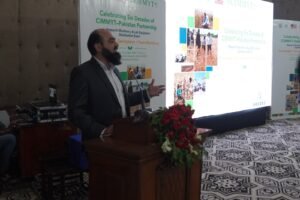
Our priority is to help national partners turn research into solutions for farmers. Better working facilities and equipment support the daily work behind crop improvement and complement our wider efforts to improve seed access, scientific skills for data-driven decision making and climate resilience, ” said Dr Sajid Ali, CIMMYT Country Representative for Pakistan.
CIMMYT’s collaboration with Pakistan began in the 1960s and contributed to the Green Revolution. It continues through the exchange of germplasm—the genetic resources used in crop breeding—joint research and training for Pakistani scientists, supporting national efforts to improve food and nutritional security.