


What the 2026 Midterms Mean for Trump and the World
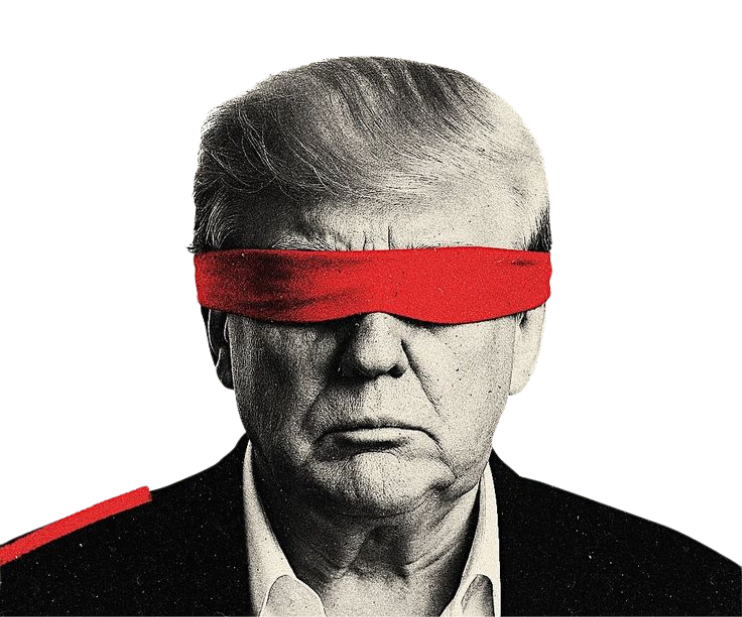
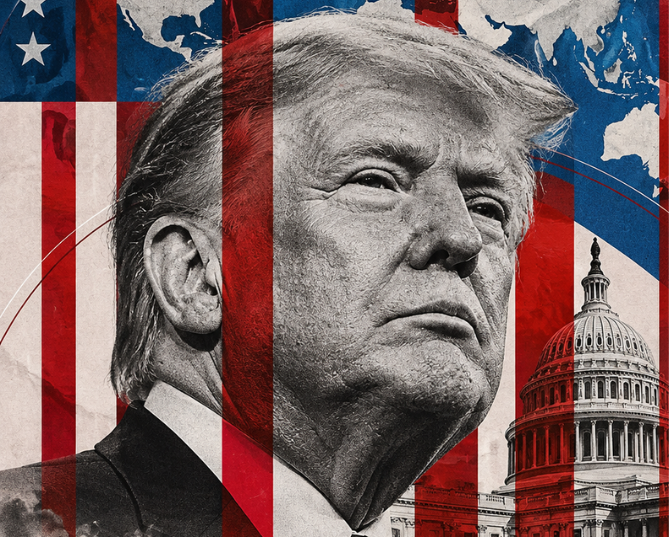
The 2026 United States midterm elections have produced a significant political reversal in Washington. By securing control of both the House of Representatives and the Senate, the Democratic Party has ended Republican dominance of Congress and delivered a sharp electoral rebuke to President Donald Trump. The outcome is more than a setback for the governing party. It represents a consequential shift in the balance of power in the world’s most influential democracy, with implications extending well beyond America’s borders. Midterm elections traditionally serve as a referendum on the performance of the sitting president. Although Trump was not on the ballot, he made the contest a personal test of his leadership, repeatedly urging voters to treat the elections as a judgment on his presidency. The results suggest that a substantial section of the electorate was prepared to do precisely that.
The Politics Behind the Democratic Victory
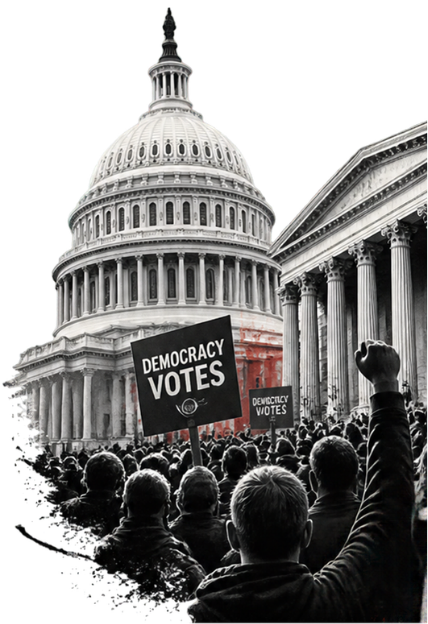
The Democratic gains were particularly striking because they extended into traditionally Republican territory. Senate victories in states such as Texas, Kansas, South Carolina and Ohio demonstrated that the party’s electoral appeal had expanded beyond its conventional strongholds. Democrats also made substantial advances in the House, overturning Republican advantages in several districts. Economic dissatisfaction was central to this shift. The cost of living, rising fuel prices and public anxiety over the direction of the economy featured prominently in voters’ concerns. Trump’s return to office in 2025 had been accompanied by promises to restore economic stability and make life more affordable. Yet many Americans remained frustrated by household expenses and the administration’s economic choices.
“The outcome is more than a setback for the governing party.”
The Future of Trump’s Political Authority
For Trump, the election represents a serious loss of political capital. His influence within the Republican Party has been built on electoral victories, personal loyalty and his ability to shape the party’s political direction. The defeat raises questions about the sustainability of that model. Republicans will now face difficult questions about leadership, strategy and their relationship with the president. Some members may continue to defend his political programme, while others could seek greater distance from an administration whose unpopularity has become an electoral liability. The Democrats, however, should not interpret their victory as an unconditional endorsement of their own political platform. Winning an election against an unpopular administration is not the same as securing a durable public mandate. Their challenge will be to demonstrate that they can offer credible economic alternatives, address public concerns and govern responsibly. The road to the 2028 presidential election has effectively become more complicated for both parties. Democrats have gained momentum, but they must convert electoral success into political credibility. Republicans, meanwhile, must confront the consequences of tying their electoral fortunes so closely to one president.
The war with Iran, launched in February 2026, further complicated the political environment. Its economic consequences, particularly higher energy prices, intensified domestic discontent. Tariff policies also contributed to uncertainty over the cost of imported goods and the broader direction of trade. According to Reuters’ reporting on the election, nearly nine in ten voters regarded the cost of living as a major or crucial factor in their decision.
The outcome therefore reflects more than partisan competition. It exposes the vulnerability of a political administration when its central promises of economic improvement become difficult for ordinary citizens to recognise in their daily lives.
Implications for American Foreign Policy
The election also raises important questions about the future direction of American foreign policy. Although Congress does not independently determine the country’s diplomatic agenda, it exercises considerable influence through legislation, budgetary allocations, military funding, sanctions and oversight of executive decisions.
The Democratic-controlled Congress is likely to scrutinise the administration’s approach to the Iran war, its military commitments in the Middle East and its wider security policies. Congressional scrutiny could make it politically and institutionally more difficult for the White House to pursue controversial initiatives without explaining their strategic and financial costs. Relations with China, Russia and European allies may also come under renewed examination. Trade restrictions, defence spending, international assistance and Washington’s commitments to multilateral institutions are areas where congressional priorities could differ from those of the president. However, it would be premature to assume that Democratic victories will automatically produce a fundamental reversal of American foreign policy. Differences between Republicans and Democrats on domestic governance do not necessarily translate into agreement on international affairs. Competition with China, strategic concerns about Russia and the importance of American military alliances have enjoyed support across sections of both parties.
The more immediate change may therefore be in the degree of congressional oversight rather than a complete transformation of Washington’s international priorities.
What Does This Mean for Pakistan and South Asia?
For Pakistan, the changing political environment in Washington deserves close attention. US-Pakistan relations have historically been shaped by security cooperation, regional stability, Afghanistan, counterterrorism and economic engagement. Changes in congressional leadership can influence the political atmosphere surrounding these issues, even when the executive branch retains primary responsibility for diplomatic relations. A Democratic-controlled Congress may place greater emphasis on human rights, democratic governance, institutional accountability and regional stability in its engagement with South Asia. These priorities could shape congressional discussions concerning Pakistan, although their practical impact will depend on the positions adopted by individual lawmakers and the administration’s broader foreign policy calculations.
India will also remain central to Washington’s regional strategy, particularly in the context of competition with China. The United States has invested substantially in its strategic partnership with New Delhi, and there is little reason to expect this relationship to be fundamentally altered by the midterm outcome. Pakistan should therefore avoid interpreting the Democratic victory as an automatic diplomatic opening or a reversal of existing American priorities.
Instead, Islamabad should pursue a consistent foreign policy based on economic cooperation, regional connectivity, counterterrorism, climate diplomacy and constructive engagement with congressional and executive institutions alike.
A Test for American Democracy
Ultimately, the 2026 midterm elections demonstrate that even a politically dominant president remains subject to electoral accountability. The transfer of congressional control illustrates the continuing significance of institutional checks and the ability of voters to alter the direction of government without changing the presidency itself.
Yet the deeper question concerns what happens next. An opposition-controlled Congress can strengthen oversight, but it can also deepen political polarisation if confrontation becomes its principal purpose. Similarly, a weakened president may become more constrained domestically while relying increasingly on executive authority in areas where congressional agreement is difficult to secure.
The coming two years will test the resilience of American political institutions and the capacity of its elected leadership to manage disagreement without undermining governance.mFor the rest of the world, the election offers an important reminder: American political transitions rarely remain confined to Washington. Decisions on trade, security, energy, international assistance and diplomacy carry consequences across continents.