



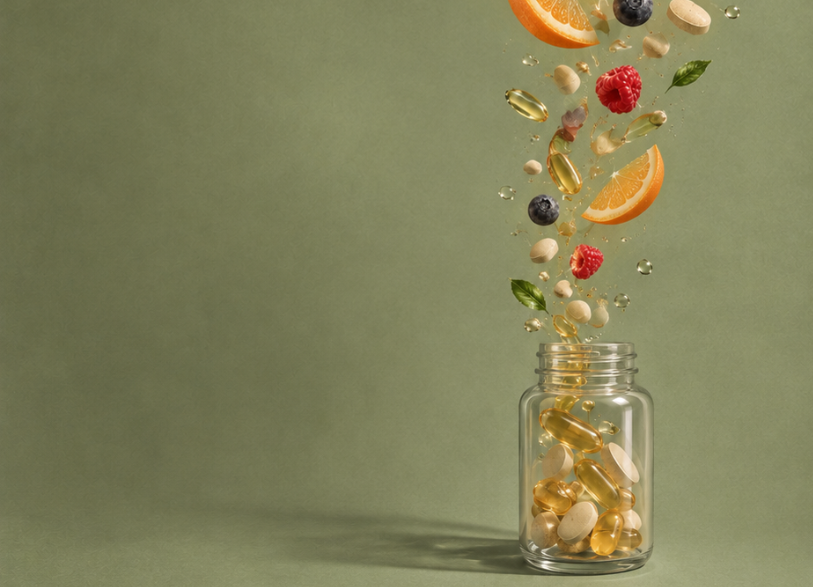
From a multivitamin swallowed with breakfast to vitamin D capsules, iron tablets and colourful gummy supplements, nutritional products have become part of the modern wellness routine. For many people, taking a daily pill offers reassurance: even if meals are hurried, sleep is inadequate or fresh produce is missing from the plate, perhaps a supplement can fill the gap.NThe popularity of daily vitamin supplements reflects a growing desire to protect health, maintain energy and age well. Yet an important question remains: do we really need vitamins every day in tablet form, or has the pursuit of better health turned supplementation into a habit rather than a necessity? The answer is more nuanced than either enthusiastic marketing or blanket warnings suggest. Vitamins and minerals are essential to the body, but supplements are not essential for everyone. Their value depends on nutritional intake, individual health, age, life stage and the presence of specific deficiencies. For some people, supplementation is medically important; for others, a varied, balanced diet may provide what they need. The challenge is to distinguish genuine nutritional needs from the promise that more vitamins automatically mean better health.
Why Supplements Have Become a Wellness Essential
The modern supplement market thrives on a simple proposition: everyday life places demands on the body, and an additional dose of nutrients can help us meet them. Products promise stronger immunity, glowing skin, sharper concentration, improved sleep and sustained energy.Some of these claims have a legitimate nutritional basis. Vitamins and minerals support essential functions, including immune activity, nerve signalling, bone maintenance, red blood cell production and normal metabolism. A deficiency can affect health in significant ways. However, correcting a deficiency is not the same as giving an already well nourished person extra nutrients. If someone has adequate vitamin levels, taking more does not necessarily produce additional energy, stronger immunity or better protection against disease.
What Does the Science Say About Daily Multivitamins?
Multivitamins are often marketed as a convenient form of nutritional insurance. One tablet may contain a combination of vitamins and minerals, apparently simplifying the task of maintaining good health. But evidence for broad preventive benefits is less impressive than many consumers might expect. In June 2024, researchers reported an analysis of three large US studies involving 390,124 generally healthy adults followed for more than two decades. Regular multivitamin use was not associated with a lower risk of death from any cause. The findings do not prove that multivitamins have no benefits for any individual, but they challenge the assumption that taking them daily necessarily extends life. Similarly, the US Preventive Services Task Force concluded that evidence was insufficient to determine whether multivitamins prevent cardiovascular disease or cancer in generally healthy, non pregnant adults. It specifically advised against using beta carotene or vitamin E supplements for these preventive purposes because the potential harms outweigh the benefits. Social media has further blurred this distinction. Influencers, wellness advertisements and personal testimonials can make supplements appear universally beneficial, although individual experiences do not establish that a product works for everyone. According to the World Health Organization, healthy diets are built around adequacy, balance, moderation and diversity, with a wide range of nutritious foods at their foundation. Supplements can serve a purpose, but they are not a substitute for these fundamentals. These findings require careful interpretation. They do not mean that all supplements are useless or that a person with a confirmed deficiency should avoid treatment. Rather, they show that preventing or correcting a deficiency is a different goal from taking supplements in the hope of preventing major diseases. For consumers, the practical lesson is straightforward: choose supplements for a defined nutritional reason, not simply because a product promises comprehensive protection.
Who may actually need Supplements?
Although not everyone needs a daily multivitamin, certain people may benefit from targeted supplementation. The decision should reflect their diet, medical circumstances and, where appropriate, clinical assessment. People with confirmed nutritional deficiencies: Iron, vitamin B12, vitamin D and other deficiencies may require treatment. The appropriate nutrient, dose and duration depend on the cause and severity of the deficiency. Pregnant women and those planning pregnancy: Folic acid is a well established example of essential supplementation. Guidance from the US Preventive Services Task Force recommends 400-800 micrograms daily for people planning pregnancy or who could become pregnant, beginning before conception and continuing during early pregnancy. Local clinical guidance may differ in particular circumstances, so individual advice matters.

Can Foo do the Job better?
For most people, food should remain the starting point for good nutrition. Vegetables, fruit, whole grains, pulses, nuts, seeds, dairy products or suitable alternatives, eggs, fish and other protein sources provide a range of essential nutrients. Whole foods also supply fibre and other beneficial compounds that isolated vitamin tablets cannot fully reproduce. Consider a meal of lentils, whole wheat roti, leafy vegetables and yoghurt. Depending on portions and preparation, it can contribute protein, fibre, iron, folate, calcium and other nutrients. Adding fruit and a variety of other foods across the day broadens the nutritional picture.

When More becomes too much
One of the most persistent misconceptions about vitamins is that, because they are essential, higher doses must be better.
In reality, some vitamins and minerals can cause harm when taken in excessive amounts. Fat soluble vitamins A, D, E and K differ from water soluble vitamins in how the body handles them; vitamins A and D, in particular, can accumulate to harmful levels when consumed excessively. High supplemental doses of iron can also be dangerous, especially for children.
This is particularly relevant in Pakistan, where food choices may be shaped by household budgets, seasonal availability and access to diverse foods. Pulses, vegetables, fruit, eggs, dairy and fortified staples can all contribute to a more varied diet. Where food insecurity or poor dietary diversity makes adequate intake difficult, targeted supplementation and public health measures such as food fortification may also be necessary.
Food first nutrition does not mean that everyone can meet every requirement through diet alone. Some nutrients are difficult to obtain in sufficient quantities in particular circumstances. The goal is not to reject supplements, but to use them alongside sound dietary habits rather than in place of them.
Supplements may interact with prescription medicines, affect laboratory test results or create complications around surgery. Taking several products at once can unintentionally duplicate ingredients. A multivitamin combined with separate vitamin D, zinc and other high dose products may push total intake beyond an appropriate level.
The risk is not limited to tablets. Gummies, powders, herbal blends and products labelled “natural” can also contain active ingredients with side effects.
Before beginning a supplement, check the ingredient list and dosage. Avoid combining multiple products without reviewing their contents, and do not use supplements as a replacement for prescribed treatment. A doctor, pharmacist or registered dietitian can help assess possible interactions and identify an appropriate option.
Older adults: Changes in appetite, dietary variety, digestion and nutrient absorption can increase the risk of inadequacy. Some older adults may need vitamin B12, vitamin D or other nutrients, depending on their circumstances.
People following restrictive diets: Those who avoid animal products, eat very little or follow highly restrictive diets may struggle to obtain certain nutrients. Vitamin B12 deserves particular attention in vegan diets because reliable natural food sources are limited.
People with certain medical conditions: Digestive disorders, previous gastrointestinal surgery and some medicines can affect nutrient absorption or requirements. In these cases, professional guidance is especially important.
The important distinction is that supplementation should respond to a person’s needs. A product suitable for one individual may be unnecessary, ineffective or inappropriate for another.
Persistent fatigue, weakness, brittle nails, hair changes, mouth soreness, tingling sensations and difficulty concentrating are sometimes attributed to vitamin deficiencies. However, these symptoms are not specific: they may also arise from poor sleep, stress, anaemia, thyroid disorders or other health conditions.
Starting supplements based on symptoms alone can delay the correct diagnosis. Unnecessary iron, for example, is not an appropriate treatment for every type of anaemia.
When symptoms persist, medical assessment is more useful than self prescribing. Depending on the person’s history and examination, a clinician may recommend targeted blood tests or other investigations.
Routine testing of every vitamin is not necessary for every healthy person. The decision should be guided by symptoms, risk factors and clinical judgement.

The warning signs of a deficiency
Persistent fatigue, weakness, brittle nails, hair changes, mouth soreness, tingling sensations and difficulty concentrating are sometimes attributed to vitamin deficiencies. However, these symptoms are not specific: they may also arise from poor sleep, stress, anaemia, thyroid disorders or other health conditions. Starting supplements based on symptoms alone can delay the correct diagnosis. Unnecessary iron, for example, is not an appropriate treatment for every type of anaemia. When symptoms persist, medical assessment is more useful than self prescribing. Depending on the person’s history and examination, a clinician may recommend targeted blood tests or other investigations. Routine testing of every vitamin is not necessary for every healthy person. The decision should be guided by symptoms, risk factors and clinical judgement.

A Smarter Approach To Supplementation
A more thoughtful supplement routine begins with a few practical questions: Review your diet. Are your meals varied, or do they regularly exclude entire food groups?
Identify your reason. Are you addressing a diagnosed deficiency, meeting recognised life stage requirement or simply following a trend? Check the dose. More is not automatically better, and high dose products deserve particular caution. Review your medicines. Ask a healthcare professional about possible interactions, especially if you take several medicines or supplements.
Less Guesswork, Better Nutrition
The supplement dilemma is not about choosing between vitamins and food. It is about understanding when each has a role. Daily vitamin supplements can be valuable when they correct a deficiency, meet a specific nutritional requirement or address a medical need. But for a generally healthy person who eats a varied diet, taking a multivitamin every day is not automatically necessary, nor is it a proven shortcut to a longer life. The better question is not, “Which supplement should everyone take?” It is, “What does my body actually need, and how can I meet that need safely?”
Good nutrition begins with informed choices rather than a crowded medicine cabinet. Sometimes the right supplement makes a meaningful difference. Sometimes the wiser decision is to save the money, improve the meal and seek professional advice before adding another pill to the daily routine. The aim is not to take more. It is to get what you need. Reassess periodically. Some supplements are needed only for a defined period; others may be appropriate long term under professional guidance.