



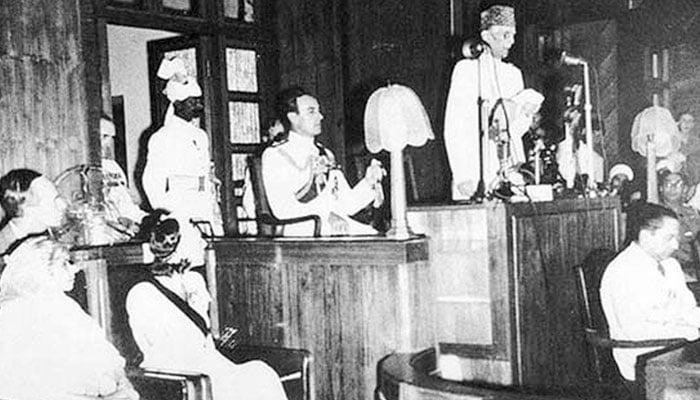
Pakistan’s opposition has rarely had an easy path. Since independence, it has had to fight for legitimacy against dominant parties, military rulers, and its own divisions. Looking back at its history helps explain the role it plays today.
The first opposition formed soon after partition, when it became clear to the public and to several political figures that the Muslim League lacked the expertise to run a country fairly. Huseyn Suhrawardy became leader of the opposition in both East and West Pakistan, and figures such as the Pir of Manki and Nawab Mumdot left the Muslim League to join him. Their party, the All Pakistan Awami Muslim League, grew in popularity, and others followed, including the Krishak Sramik Party. Between 1947 and 1958, opposition parties were legally recognised, but the Muslim League dominated politics and left little room for anyone else to win support.
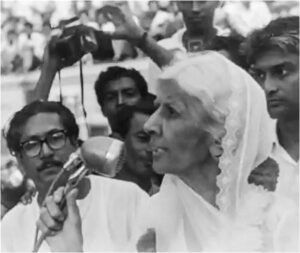
In 1958, General Ayub Khan took power in a coup and imposed martial law. All political parties were dissolved, and with them went any platform for opposing the regime. In 1964, five of the main opposition parties, including the Pakistan Muslim League (Council), the Awami League and the National Awami Party, formed the Combined Opposition Parties (COP) to restore democracy. The struggle continued under Nawabzada Nasrullah Khan, who led the Democratic Action Committee (DAC). Nationwide resistance had begun with labour unions and students and was later joined by opposition parties. When the situation spun out of control, Ayub Khan called the DAC in for negotiations.
Throughout Ayub’s rule, the opposition was boxed in. The media was controlled, censorship was high, and political reporting was closely monitored. Opposition leaders could barely criticise the government, and without a way to reach the public, they could not build support. Only the military’s point of view reached people, which shaped public opinion in its favour and left the opposition unable to hold the government to account.
The 1962 Constitution made things worse. It established a presidential system with Ayub Khan at the top, and the opposition was neither given powers nor even mentioned. With no formal recognition, its place in state matters shrank further. Laws were also passed that disadvantaged it, such as the Elective Bodies Disqualification Order (EBDO) of 1959, which targeted politicians from the Awami League while leaving most of the Muslim League untouched.
A pattern that emerged early, and stayed true under Ayub, was fragmentation. Opposition alliances were made up of parties that joined because they were unhappy with whoever was in power, not because they agreed with each other. Their ideological differences weakened them. In the 1965 elections, the opposition led by Miss Fatima Jinnah challenged Ayub Khan’s right to contest. They knew the military was engaging in unfair practices but stepped up anyway. Divided as they were, though, they could not mount an effective challenge. A more united front might have.
History repeated itself in 1969, when General Yahya Khan imposed martial law, abrogated the 1962 Constitution, and took control. Under pressure from opposition parties, he promised elections. The DAC demanded the state of emergency be lifted, among other things, and Yahya initially agreed, giving the opposition a measure of legitimacy. That progress vanished when he did not keep his word. The constant instability left parliamentary democracy weak and pushed opposition parties further to the margins, just as they had begun to build momentum.
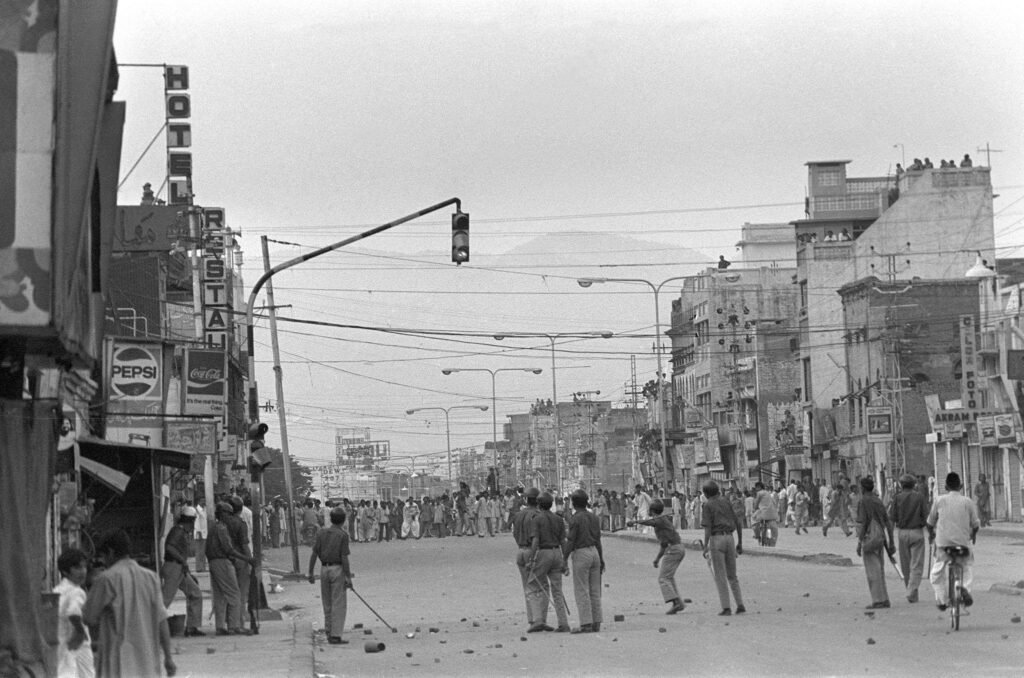
In 1977, the pattern changed. An alliance formed again, the Pakistan National Alliance (PNA), but this time it stood against a civilian government. The parties banded together to reject the election results, claiming the process had been rigged in favour of Bhutto’s government. After two weeks of negotiations, the PNA reached an agreement for fresh elections, but the movement was crushed when the military took over once more.
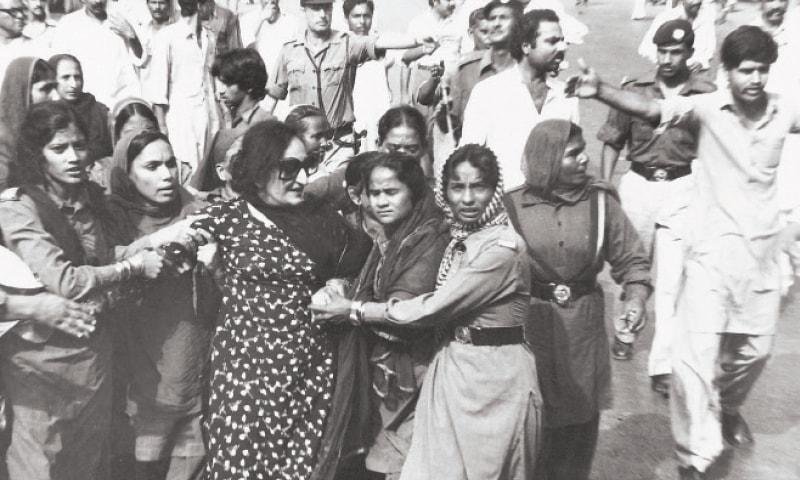
Bhutto was executed under General Zia ul Haq in 1979, which triggered protests across the country and led to the Movement for the Restoration of Democracy (MRD). Some of its parties had earlier been part of the PNA, which had opposed Bhutto’s PPP. The MRD showed real resilience in standing up to the harshest military regime Pakistan had yet seen. The spirit was there, but the results were not. Internal divisions and limited geographic reach held it back, and Zia’s brutal suppression, along with allegations that the MRD was linked to India, curtailed its efforts.
In 1988, the trend broke again. This time the opposition alliance was created by the military itself, to keep the PPP’s power in check and to stop the military from being sidelined. It was called the Islami Jamhoori Ittehad (IDA).
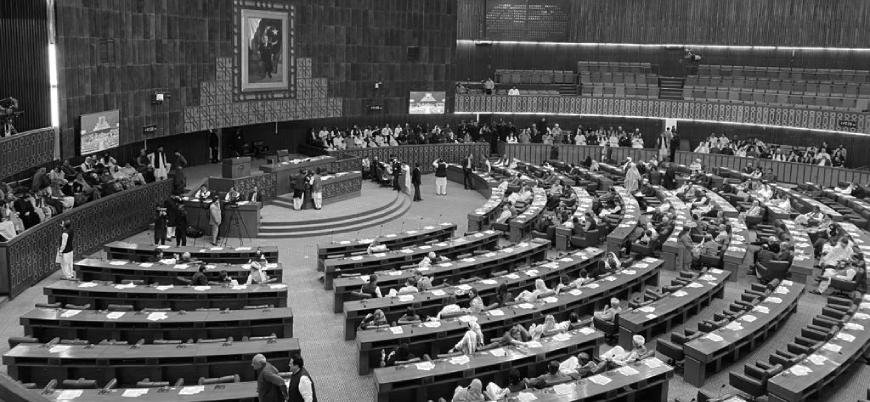
The military justified it by saying a democratic system needs a functioning opposition. The very figures who had led resistance against a decade of military rule were now being steered by a “military sponsored alliance”. The IDA did succeed in stopping the PPP from winning an absolute majority in the National Assembly, but the partnership was short-lived. Nawaz Sharif formed government as Prime Minister and was dismissed soon after.
Over these decades, the opposition had to fight for legitimacy at almost every turn, whether by being dissolved, excluded from decision-making, silenced, divided, or used. The question is whether things have changed since.