



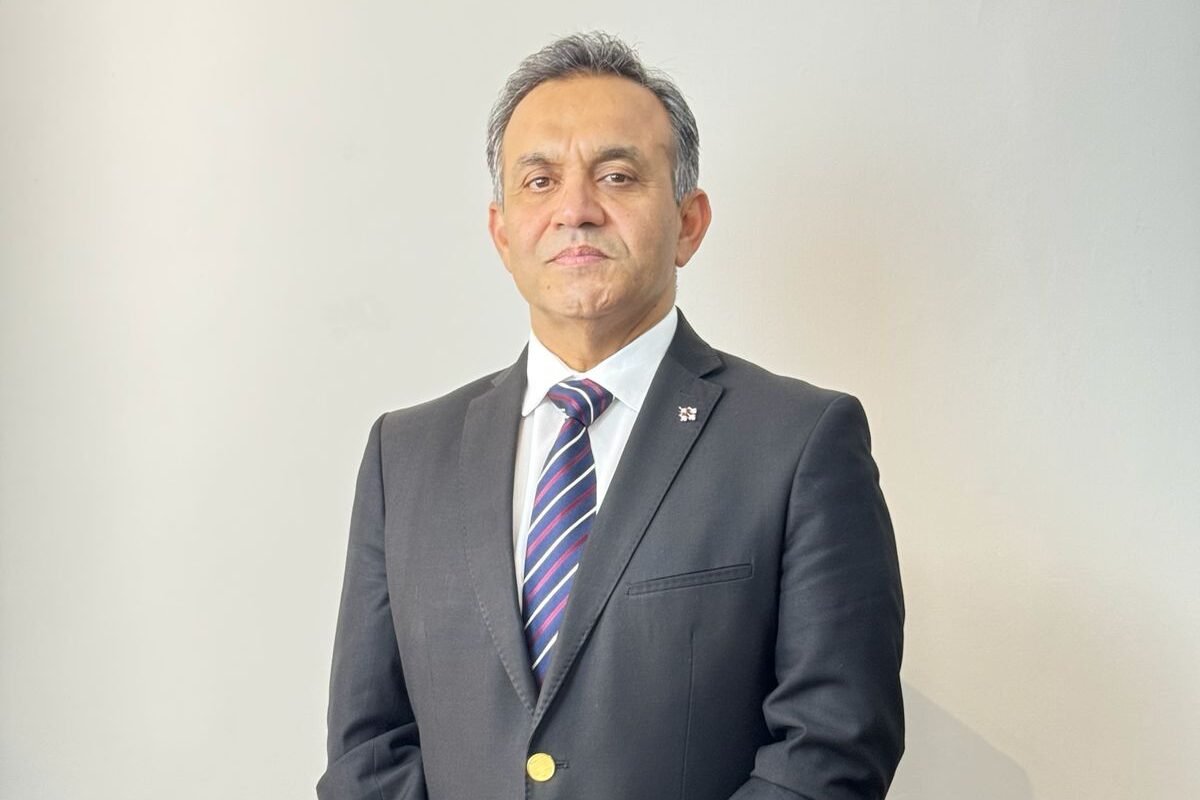
Air Marshal Amir Maqsood on Children, Mental Health and the Future of Pakistan’s Schools
For decades, discussions around Pakistan’s education system have largely focused on infrastructure, curriculum, and academic performance. Yet one critical dimension continues to receive far less attention: the mental and physical wellbeing of students.
In recent years, concerns around anxiety, emotional stress, malnutrition, and psychological health among children have become increasingly visible, particularly within underprivileged communities where access to healthcare remains limited. Despite this growing challenge, mental health continues to carry deep social stigma, often preventing families from seeking timely support.
Drawing from his experiences in the Pakistan Air Force, Amir Maqsood found himself confronting a very different challenge: the silent mental and physical health struggles affecting thousands of students across public schools. After the death of his young son, Umer , a tragedy that transformed his understanding of purpose and eventually inspired the creation of Umer-e-Rawan, an initiative working to inegrate health and wellness support into schools.
What began as a pilot project in Islamabad has gradually expanded into a broader effort aimed at addressing issues often overlooked within schools: depression, anxiety, trauma, malnutrition, vision impairment, and the stigma surrounding psychological care.
The findings have been alarming. Many students arrive at school without breakfast. Vitamin D deficiencies and stunted growth are common.
Nearly thirteen percent of the children screened in one school required eyesight correction. Others had quietly dropped out due to untreated medical conditions, domestic pressures, or emotional distress.
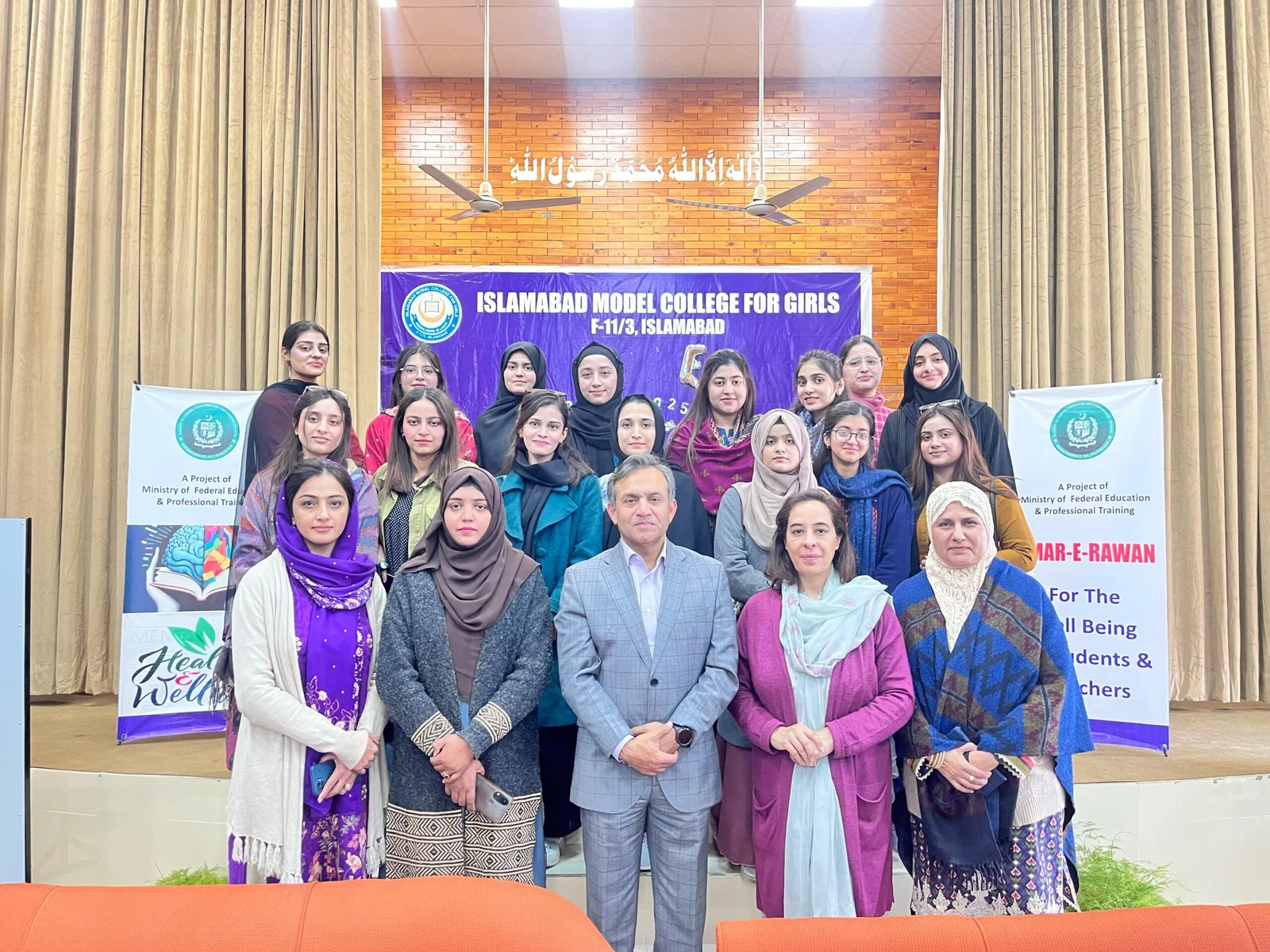
“Healthcare Must Reach Children at Their Doorstep”
For Amir Maqsood, these are not isolated problems. They are interconnected barriers preventing children from learning, participating, and thriving.
At the centre of Umer-e-Rawan’s approach are what he calls the “three A’s”: awareness, acceptability, and access. The initiative works inside schools, bringing doctors, psychologists, counsellors, and therapists directly to students rather than forcing families to navigate costly and stigmatized healthcare systems.
Equally important, he says, is involving parents and teachers. “A teacher can influence seventy children in a classroom,” he explains. “If the teacher is emotionally aware and supportive, that influence becomes transformative. But if the teacher lacks awareness, the impact is equally powerful in the wrong direction.”
Over time, the response from families has begun to shift. Early awareness sessions saw very few parents attending. Months later, halls filled with families seeking support for their children.
For Amir Maqsood, the change confirmed something important: once stigma begins to break, people are willing to ask for help.
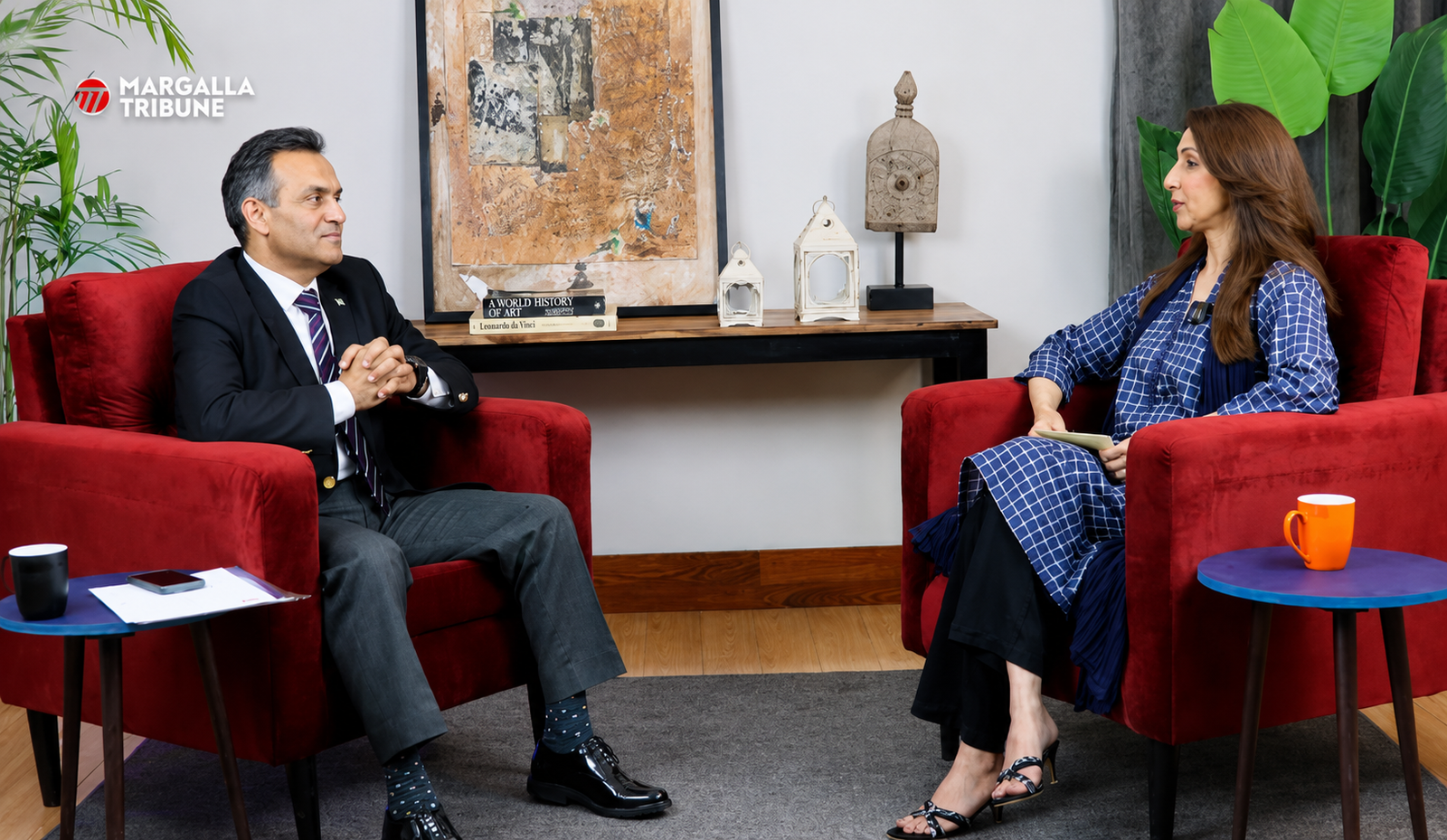
In conversation with MT Outloud, he reflects on the origins of Umer-e-Rawan, the realities inside Pakistan’s schools, and why mental and physical health must be treated together.
MT: After spending much of your life as a fighter pilot, what led you toward children’s wellbeing and mental health?
AVM Amir Maqsood: Flying was always my passion, but certain experiences change your direction in life. During my service, I had opportunities to engage with educational and healthcare institutions in the Air Force, including schools for special children. That exposed me to the struggles many families silently face.
Then I lost my young son. That tragedy changed my perspective completely. I realized life’s purpose is not only professional achievement. It is also about giving relief to people, especially children who are vulnerable and underprivileged. That is how Umer-e-Rawan began.
MT: What problems did you discover once you began working inside schools?
AVM AmirMaqsood: We realized very quickly that awareness around health is extremely low in Pakistan and awareness around mental health is almost zero. Children today are under enormous pressure. Through gadgets and communication platforms, they are constantly comparing themselves with others. Many develop feelings of inferiority, anxiety, and emotional isolation.
At the same time, underprivileged families often lack the resources or awareness to seek help. So problems continue to grow silently until they become serious.
That is why our model was built around awareness, acceptability, and access. First people must understand the problem. Then they must accept it. Only after that can they seek treatment.
MT: How important are parents and teachers in addressing these issues?
AVM Amir Maqsood: They are absolutely central.
Parents, teachers, and students form a complete ecosystem. All three must be educated and involved.
A good teacher can transform seventy students in a classroom. But if teachers themselves lack awareness or emotional balance, that also affects children negatively.
Initially, it was difficult to convince parents. In our first awareness session, fewer than five percent attended. But over time, as families saw positive changes in their children, attitudes began to shift.
Now parents come themselves asking for counselling and therapy support. That change gave us hope.
MT: You often speak about the connection between physical and psychological wellbeing. Why is that relationship so important?
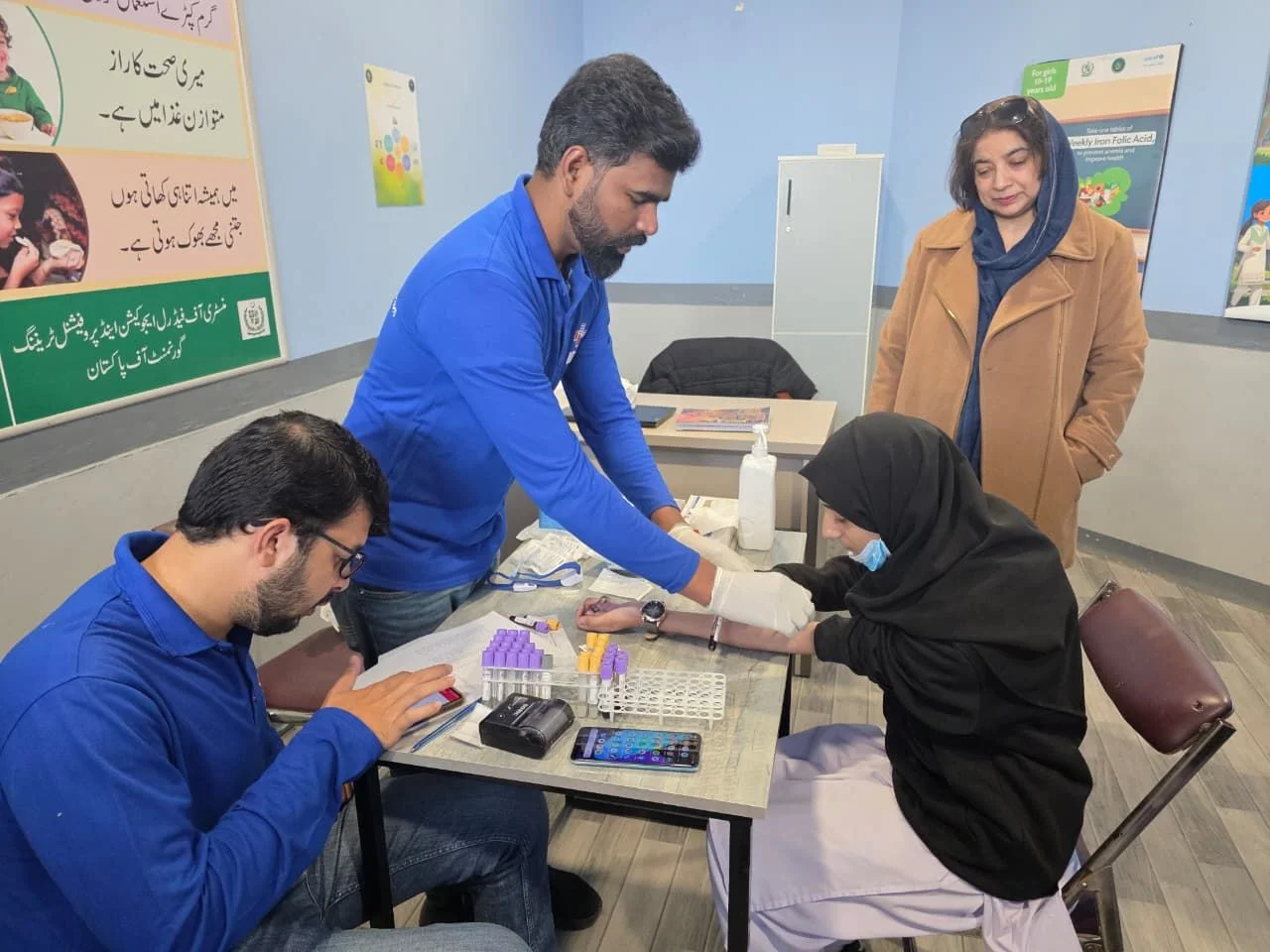
AVM Amir Maqsood: Because they directly affect each other. Many mental health problems emerge because of physical issues, and many physical illnesses become worse because of stress and anxiety. In our pilot project, we discovered widespread malnutrition, vitamin deficiencies, and stunted growth among students.
One of the biggest findings was eyesight impairment. Nearly thirteen percent of students required glasses.
We saw children whose academic performance had collapsed simply because they could not see the board properly. Teachers thought they were careless or distracted. Parents thought they were not working hard enough. In reality, the child simply needed glasses.
Once those children received treatment, their confidence and academic performance changed dramatically.
Our biggest reward will be when the communication gap between parents, teachers, and students ends and when the stigma around mental health finally disappears.
MT: How does the Umer-e-Rawan model actually function inside schools?
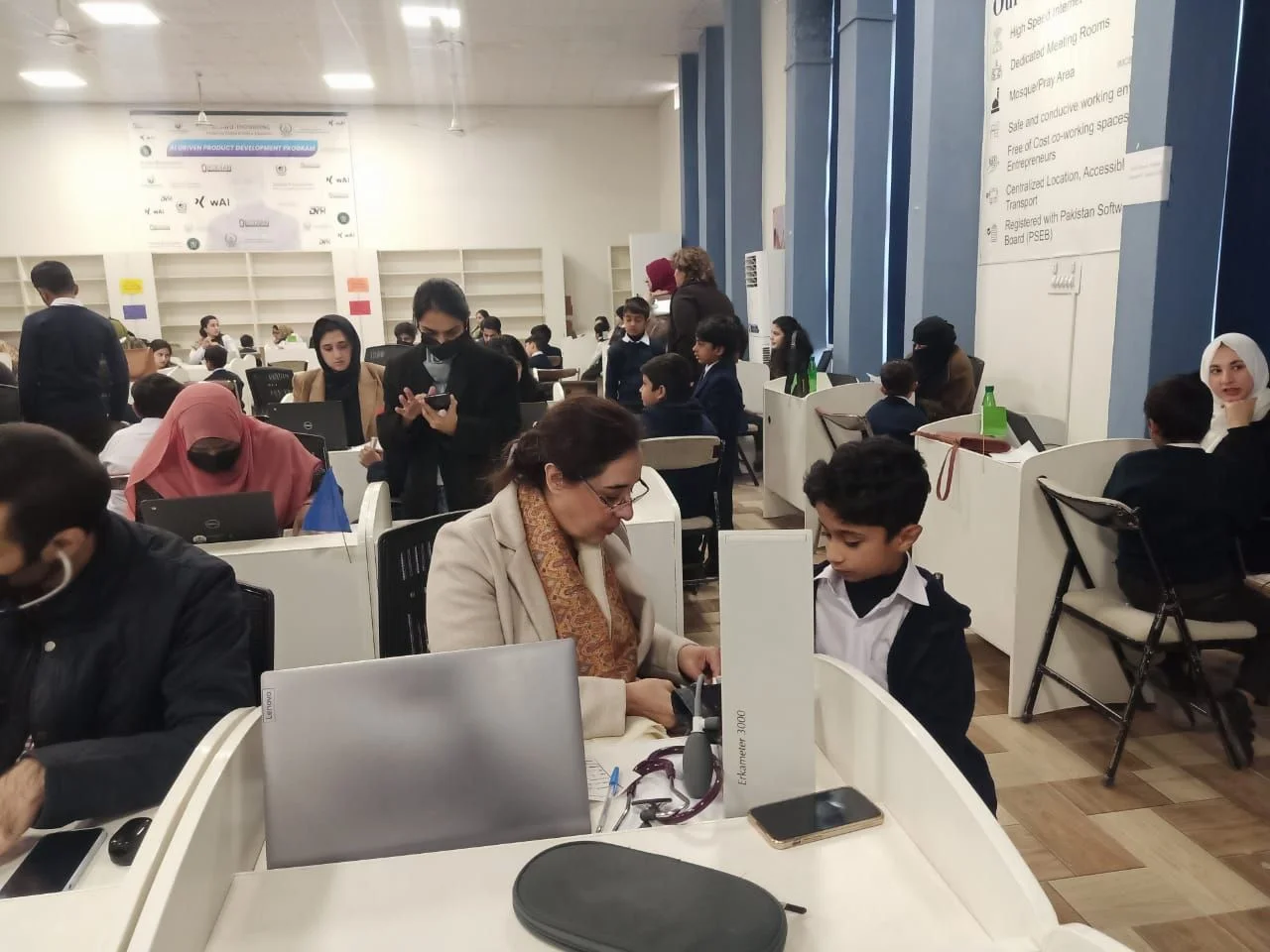
AVM Amir Maqsood: We begin with awareness sessions for students, parents, and teachers. After that, we conduct comprehensive medical and psychological screenings. We work with doctors, psychologists, psychiatrists, and medical colleges including Riphah International University and Rawalpindi Medical University.
Inside schools, we establish Health and Wellness Centres. One room is used for medical consultations and another for counselling and therapy sessions. If a child needs specialized treatment, we coordinate with hospitals and arrange transportation so families are not financially burdened. The idea is simple: healthcare should reach students before problems become severe.
MT: How do you see the financial sustainability of a project like Umer-e-Rawan?
AVM Amir Maqsood: Health and education are the future of any country. Investment in these two sectors can completely transform a nation and secure its future. In many ways, they are as important to national security as having a strong military.
When we began the pilot project, we funded much of it ourselves. Later, we formed a support network called Friends of Umer-e-Rawan, comprising people who believed in the initiative and wanted to help. Currently, we are engaging with companies and exploring CSR partnerships. We are also considering international collaborations and donor support so the initiative can eventually develop into a sustainable endowment-based model. Our goal is to ensure that Umer-e-Rawan continues regardless of financial uncertainties.
MT: What is your long-term vision for this initiative?
AVM Amir Maqsood: We want to take this model to the policy level. Our goal over the next few years is to establish around thirty centres and provide support to nearly 100,000 students. Many children are leaving school because of problems that are actually solvable untreated illnesses, financial pressures, emotional distress, or domestic issues.
If we intervene early, we can prevent many of these children from disappearing from the education system altogether. Pakistan’s future depends on the wellbeing of its youth. If we ignore their mental and physical health today, we will face far greater consequences tomorrow.
MT: Do you believe mental health and wellness support should eventually become part of a formal national policy framework?
AVM Amir Maqsood: Absolutely. We believe this should eventually become part of legislation and policy at the national level. Right now, our focus is on strengthening the model through practical implementation. We want people to see tangible results first that this approach genuinely improves the lives of students, parents, and teachers.
Our hope is that within the next couple of years, this can evolve into a stronger nationwide process. Ideally, both public and private schools should adopt proactive mental and physical wellness systems.
Every human being has vulnerabilities and emotional struggles. Accepting that reality is the first step toward healing. Pakistan faces immense social and economic pressures, and these stresses affect children deeply. If we can provide guidance, support, and access to resources, even in small ways, we can change the lives of many families.
That is our purpose to help create a healthier and more hopeful future for our children.