



Four Years of Systematic Oppression
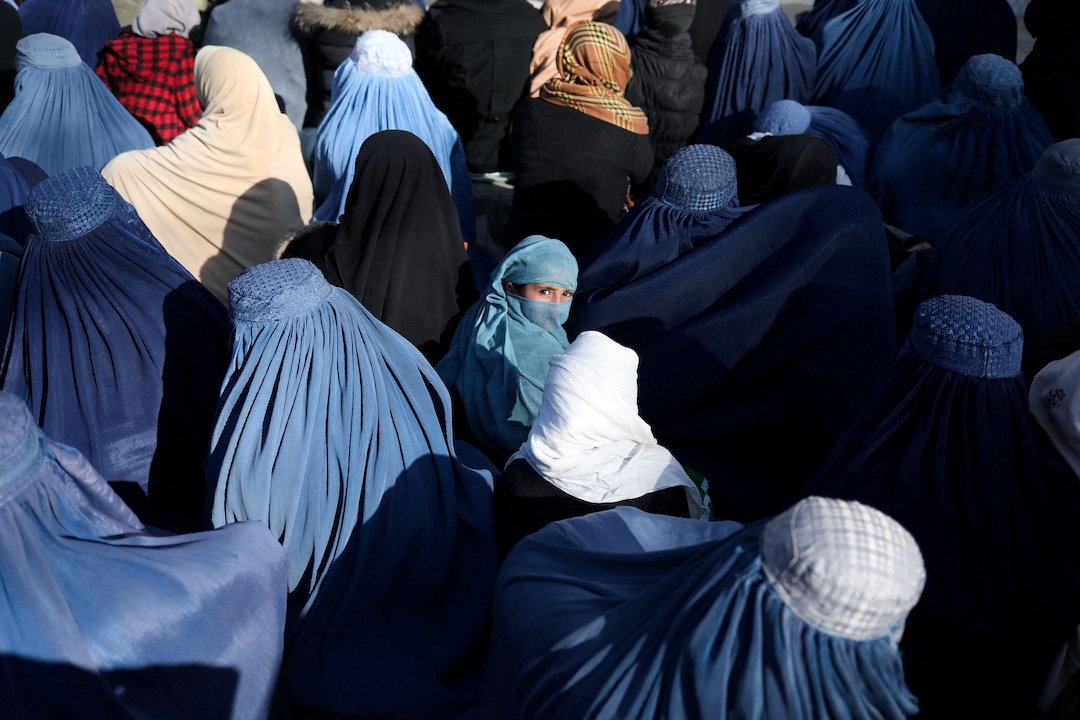
When the Taliban returned to power in August 2021, they assured the international community that their new government would be more moderate than the one that ruled Afghanistan in the late 1990s. They pledged to respect women’s rights within the framework of Islamic law and promised that girls would continue their education and women would remain active in society. Nearly four years later, those assurances have proven hollow. Afghanistan has become the only country in the world where girls are officially barred from secondary and higher education, while women face sweeping restrictions on their movement, employment, political participation, and public life.
What initially appeared to be temporary administrative measures has evolved into a comprehensive system of gender-based exclusion. Through a series of decrees, the Taliban have systematically dismantled the legal, educational, economic, and social rights of women and girls, effectively erasing them from public life. According to United Nations estimates, around 21 million Afghan women and girls are living under policies that restrict their access to education, employment, healthcare, and civic participation. The consequences extend far beyond gender inequality, they threaten Afghanistan’s long-term economic stability, social cohesion, and prospects for sustainable development.
Although many challenges remained, women’s partici-pation was becoming an important pillar of Afghanistan’s institutional development. Female teachers educated millions of children, women doctors expanded access to healthcare, and female journalists brought greater diver-sity to public discourse. These gains represented years of investment by Afghan communities and international partners alike.
According to United Nations estimates, around 21 million Afghan women and girls are living under policies that restrict their access to education, employment, healthcare, and civic participation.
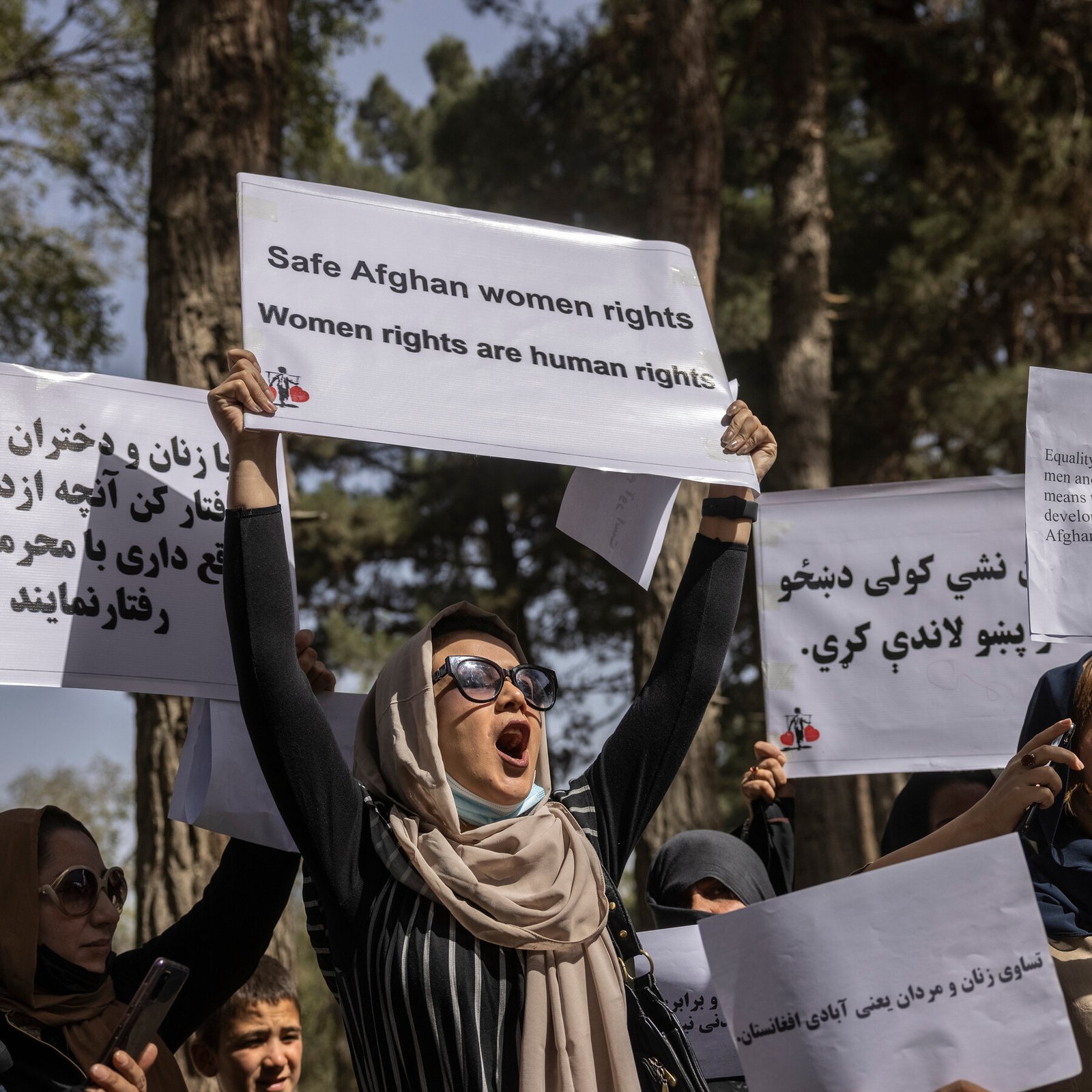
The return of the Taliban reversed much of that progress within months. Women disappeared from government institutions, parliament was dissolved, and female public servants were dismissed or instructed to remain at home. Today, women have virtually no representation in Afghanistan’s national decision-making structures, leaving half of the country’s population excluded from shaping policies that directly affect their lives.
From Progress to Exclusion
Before the Taliban’s return, Afghanistan had made gradual though uneven progress in improving opportunities for women. Despite decades of conflict and political instability, women increasingly entered universities, joined the workforce, established businesses, worked as journa-lists and judges, and served in elected office. According to UN Women, Afghan women held approximately 27 per-cent of parliamentary seats before the collapse of the former government, while thousands worked across edu-cation, healthcare, media, and civil society.
Education: The Foundation of Every Society
Perhaps no restriction has attracted greater international concern than the Taliban’s assault on girls’ education. In September 2021, secondary schools were closed to girls, with authorities claiming the measure was temporary. More than three years later, those classrooms remain closed. In December 2022, the Taliban expanded the res-trictions by prohibiting women from attending universi-ties, effectively ending higher education for an entire generation of Afghan women.
According to UNESCO, more than 1.5 million Afghan girls are currently denied access to secondary education, while millions more face uncertain educational futures. The longer these restrictions remain in place, the greater the likelihood that many girls will never return to formal schooling.
The Taliban’s education policies are creating what many international organizations describe as a “lost generation.” Every academic year that passes widens the knowledge gap, limits employment opportunities, and increases social vulnerability. Families who once envisioned professional careers for their daughters now confront shrinking opportunities, while many young women experience growing isolation and psychological distress.
No nation can expect sustainable development while intentionally denying education to half of its population. Afghanistan’s future economic recovery, institutional capacity, and social resilience all depend upon educating its citizens regardless of gender.
The Economic Cost of Excluding Women
Restrictions on education were only the beginning of a broader effort to remove women from public life. Over the past four years, women have been progressively excluded from government offices, international and local non-governmental organizations, media organizations, and many sectors of the formal economy. Although some women continue to work in limited healthcare and humanitarian roles, employment opportunities remain severely constrained.
The consequences extend beyond individual livelihoods. Women’s participation in the workforce is essential for national productivity, household income, and poverty reduction. When educated and skilled women are prevented from working, the country loses valuable human capital that cannot easily be replaced.
According to UN Women, nearly eight in ten young Afghan women are now excluded from education, employment, or vocational training a disparity nearly four times higher than that experienced by young Afghan men. This growing exclusion is deepening gender inequality while weakening Afghanistan’s economic foundations.
The economic implications are substantial. International development agencies have repeatedly warned that limiting women’s participation in the labour force significantly reduces national productivity and discourages long-term investment. Businesses lose skilled employees, public institutions struggle to recruit qualified professionals, and families become increasingly dependent on a single source of income. In a country already grappling with humanitarian crises, economic sanctions, and widespread poverty, these policies further undermine resilience and slow prospects for recovery.
Women’s exclusion also affects sectors that are critical to everyday life. Community services become increasingly difficult to deliver, particularly in conservative areas where women may only receive assistance from female staff.
A Healthcare System Under Growing Pressure
Among the sectors most severely affected by the Taliban’s policies is healthcare. Afghanistan has long relied on female doctors, nurses, and midwives to provide essential medical services, particularly for women and children. Cultural norms in many parts of the country require women to be treated by female healthcare professionals, making their presence indispensable.
However, restrictions on girls’ education and professional training are steadily shrinking the pipeline of future female health workers. With universities closed to women and medical education increasingly restricted, the country risks facing a critical shortage of qualified female professionals in the years ahead.
UN agencies have warned that continued barriers to women’s education could result in thousands fewer female teachers and healthcare workers over the coming decade. Such shortages would place additional strain on an already fragile healthcare system, particularly in rural areas where access to medical services remains limited.
A Humanitarian Crisis Beyond Statistics
The consequences of these policies cannot be measured solely through economic losses or educational figures. Behind every statistic is a young woman whose ambitions have been interrupted, a family coping with shrinking opportunities, or a community deprived of valuable skills.
Girls who once aspired to become doctors, engineers, teachers, journalists, or public servants now face an uncertain future. As educational and employment opportunities disappear, many families are increasingly driven by economic hardship, contributing to greater financial dependence and, in some cases, a rise in early and forced marriages. The loss extends beyond individual lives; it deprives Afghanistan of the talent, innovation, and leadership needed for long-term recovery.
Social Control Beyond Education and Employment
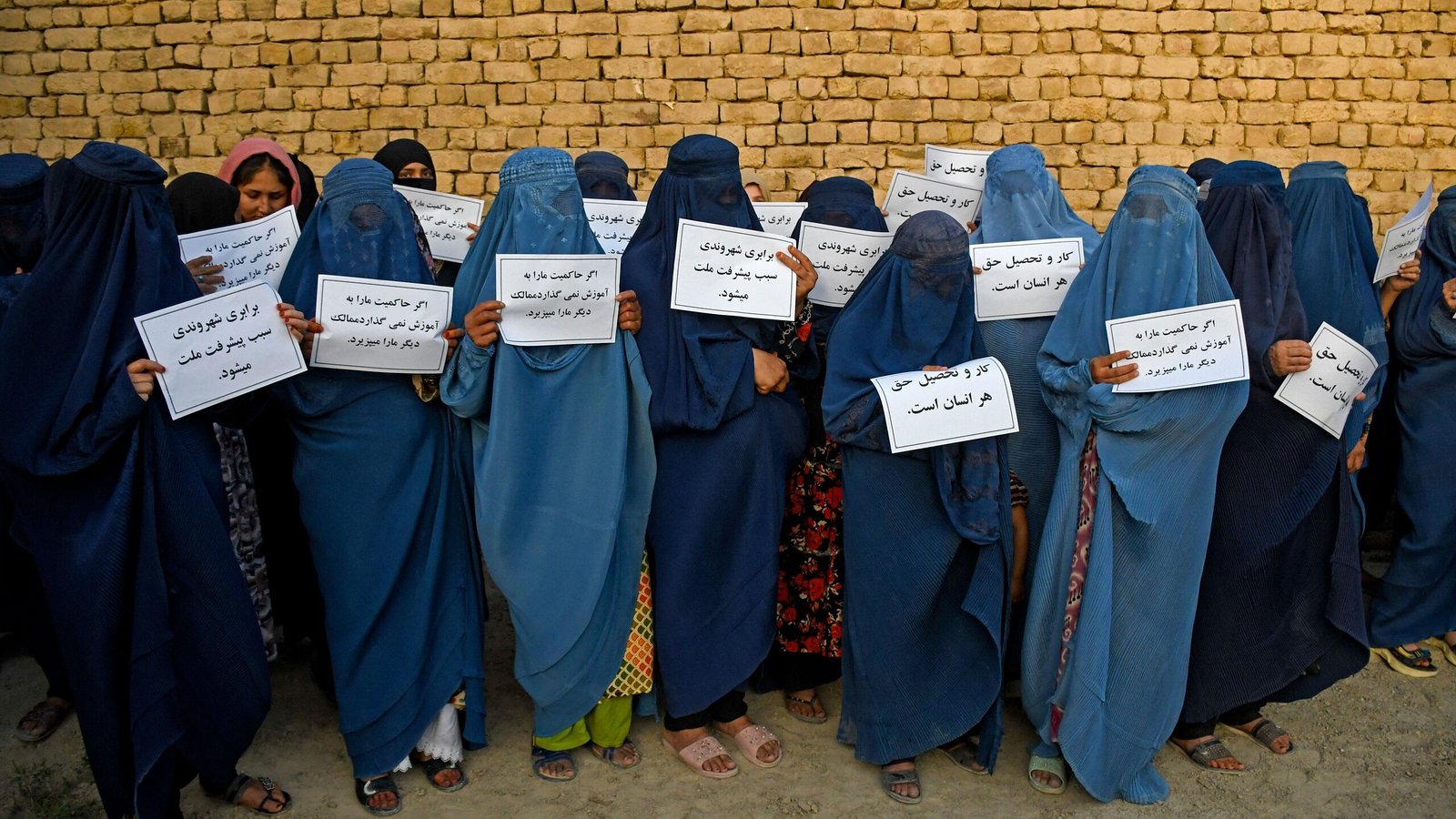
The Taliban’s restrictions extend far bey-ond classrooms and workplaces. Over the past four years, women have been prog-ressively removed from public spaces through a network of decrees regulating their movement, appearance, and everyday activities. Women are generally prohibited from travelling long distances without a male guardian (mahram), while access to parks, gyms, sports facilities, and beauty salons has been either restricted or completely banned. The Ministry for the Propagation of Virtue and the Prevention of Vice has also enforced strict dress codes, requiring women to cover themselves in public and imposing additional limitations on their visibility in society.
These measures are not isolated regulations; together, they form an institutionalized system of gender control that limits women’s autonomy and reinforces their dependence on male relatives. The cumulative effect is the shrinking of women’s presence in public life, making ordinary activities from recreation to independent travel increasingly difficult.
The International Community Must Do More
The international community has repeatedly condemned the Taliban’s treatment of women. The United Nations, human rights organizations, and numerous governments have described the restrictions as serious violations of fundamental human rights. In 2025, the International Criminal Court sought arrest warrants for senior Taliban leaders over the alleged persecution of women and girls, marking a significant legal step toward accountability.
Yet condemnation alone has produced limited change. While humanitarian assistance remains essential for millions of Afghans facing food insecurity and economic hardship, continued engagement with Afghanistan must avoid legitimizing policies that institutionalize gender discrimination.
Nearly four years after the Taliban’s return to power, Afghanistan stands as a stark reminder of how quickly decades of social progress can be dismantled. The sys-tematic exclusion of women from education, employ-ment, healthcare, politics, and public life has evolved into one of the world’s most severe gender-based human rights crises. These policies do not merely violate the rights of Afghan women they undermine the country’s economic potential, weaken its institutions, and jeopardize its future stability.
The writer can be contacted at nayabzubair890@gmail.com