


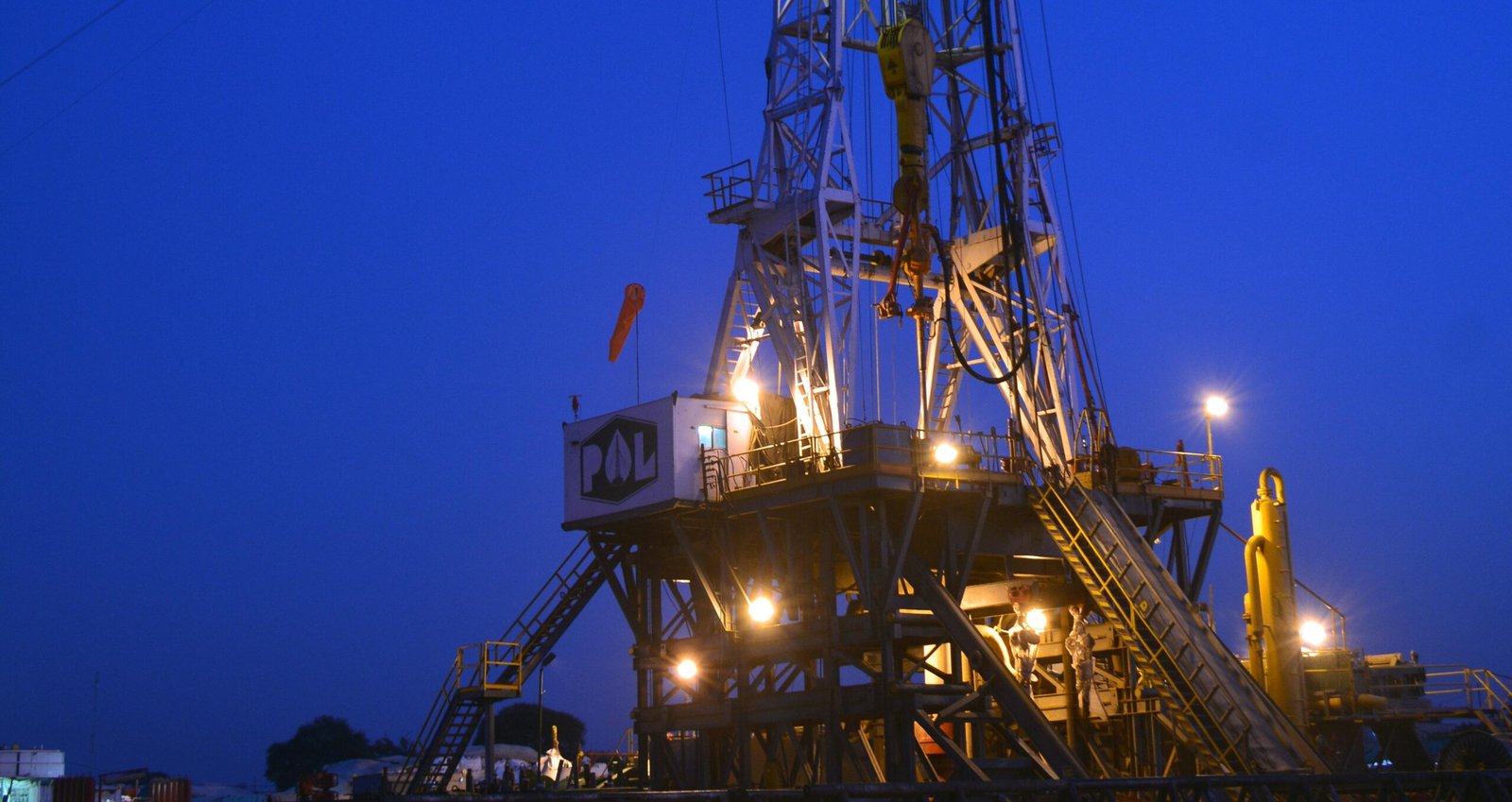
Pakistan’s first horizontal oil well at Pasakhi-13, increasing output and showcasing the future of energy exploration.
Pakistan’s energy sector has entered a new era with a breakthrough by Oil and Gas Development Company Limited (OGDC). The company’s successful commencement of oil production from Pasakhi-13 marks the country’s first horizontal oil well in a clastic reservoir. At a time when Pakistan is seeking energy security, reduced import dependence, and economic stability, this development stands as a powerful example of how modern drilling technology can reshape the national energy landscape.
What Is a Horizontal Oil Well?
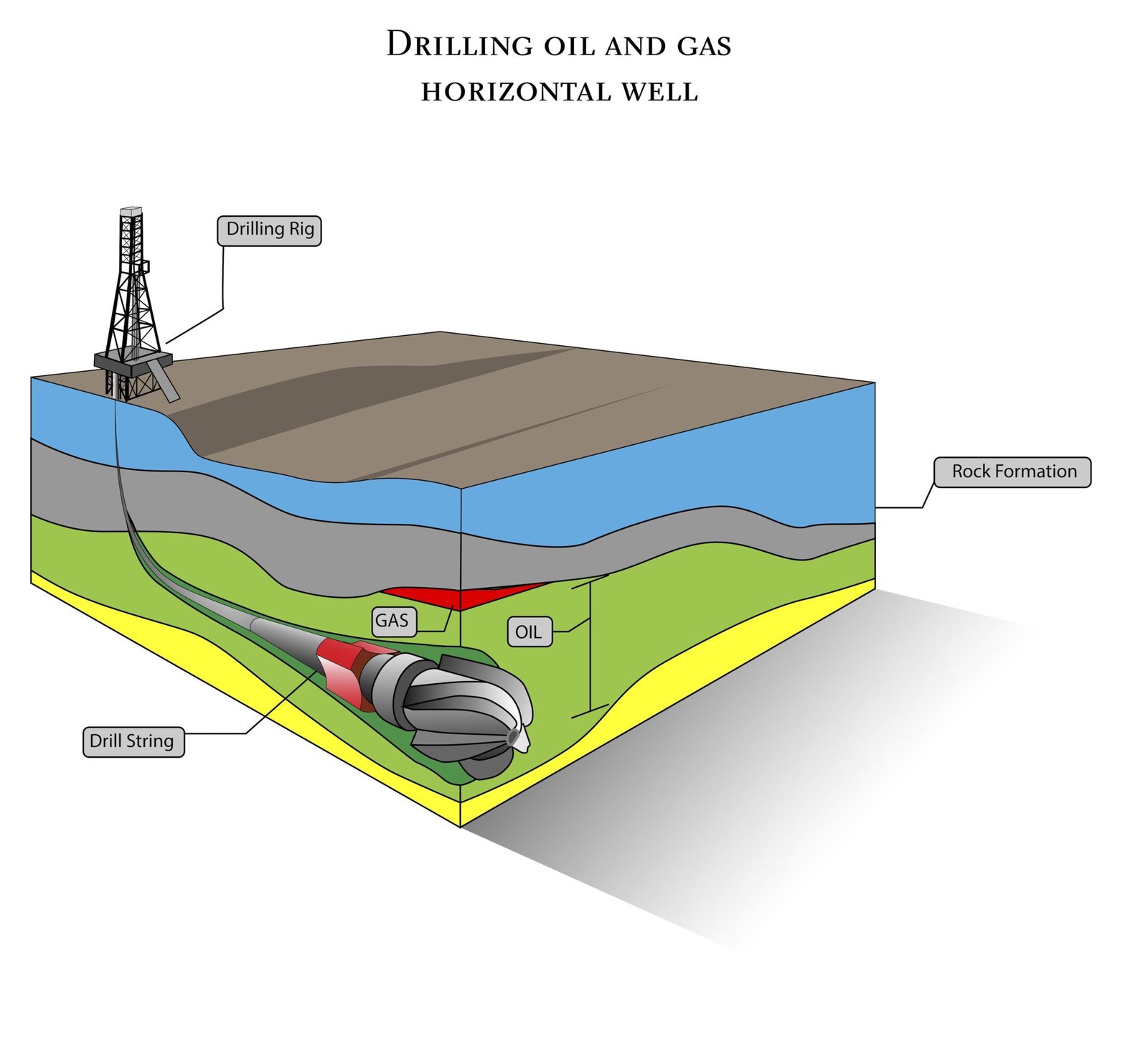
A horizontal oil well is an advanced drilling technique in which a well is drilled vertically to a certain depth and then gradually curved to extend horizontally through an oil- or gas-bearing formation. Unlike conventional vertical wells, which intersect a reservoir at a single point, horizontal wells run laterally within the most productive zone, dramatically increasing the contact area between the well and the reservoir.
This extended exposure allows more hydrocarbons to flow into the wellbore, resulting in higher production rates and improved recovery. Horizontal drilling is especially effective in complex or low-permeability reservoirs, where traditional methods often fail to deliver optimal results.
OGDC Pasakhi-13: Pakistan’s First Horizontal Well in a Clastic Reservoir
The Pasakhi-13 well, located in the Hyderabad District of Sindh, is currently producing 460 barrels of oil per day (BPD). This milestone is particularly significant because it represents Pakistan’s first successful horizontal well in a clastic reservoir specifically the Lower Goru A Sand formation.
Clastic reservoirs, composed of sedimentary rock fragments, are known for their complex structures and extraction challenges. Successfully drilling a horizontal well in such a formation highlights OGDC’s technical expertise and its ability to deploy advanced solutions in demanding geological environments.
Advanced Geo-Steering and Precision Drilling
One of the defining features of the Pasakhi-13 project is the use of advanced geo-steering technology. This technique enabled OGDC’s engineers to precisely navigate the drill bit within a narrow three-meter drilling window inside the reservoir. Maintaining this level of accuracy ensured that the well remained within the most productive “sweet spot” throughout the horizontal section.
Economic Benefits for Pakistan
Pakistan has long relied on imported oil and liquefied natural gas, placing pressure on foreign exchange reserves and exposing the economy to global price fluctuations. Increasing domestic production is therefore a national priority.
Horizontal drilling offers a practical solution by unlocking previously inaccessible reserves. Higher production from fewer wells improves cost efficiency, reduces import dependency, and strengthens the country’s energy security. Additionally, such technological advancements can attract investment and create employment opportunities across the energy sector.
OGDC’s Role in Energy Innovation
Pasakhi-13 is part of the Pasakhi & Pasakhi North Development & Production Lease (D&PL), where Oil and Gas Development Company Limited holds 100% working interest. This underscores OGDC’s leadership in adopting innovative technologies to address Pakistan’s energy challenges.
The company’s success reflects a broader shift toward efficiency, precision, and sustainability in oil and gas exploration. By pioneering horizontal drilling in Pakistan, OGDC has set a benchmark for future projects.
As Pakistan continues to pursue energy security and economic stability, horizontal drilling offers a viable path forward. With continued investment and innovation, Oil and Gas Development Company Limited is helping pave the way toward a more self-reliant and sustainable energy future.