




Pakistan’s Urgent Need for Energy Discipline
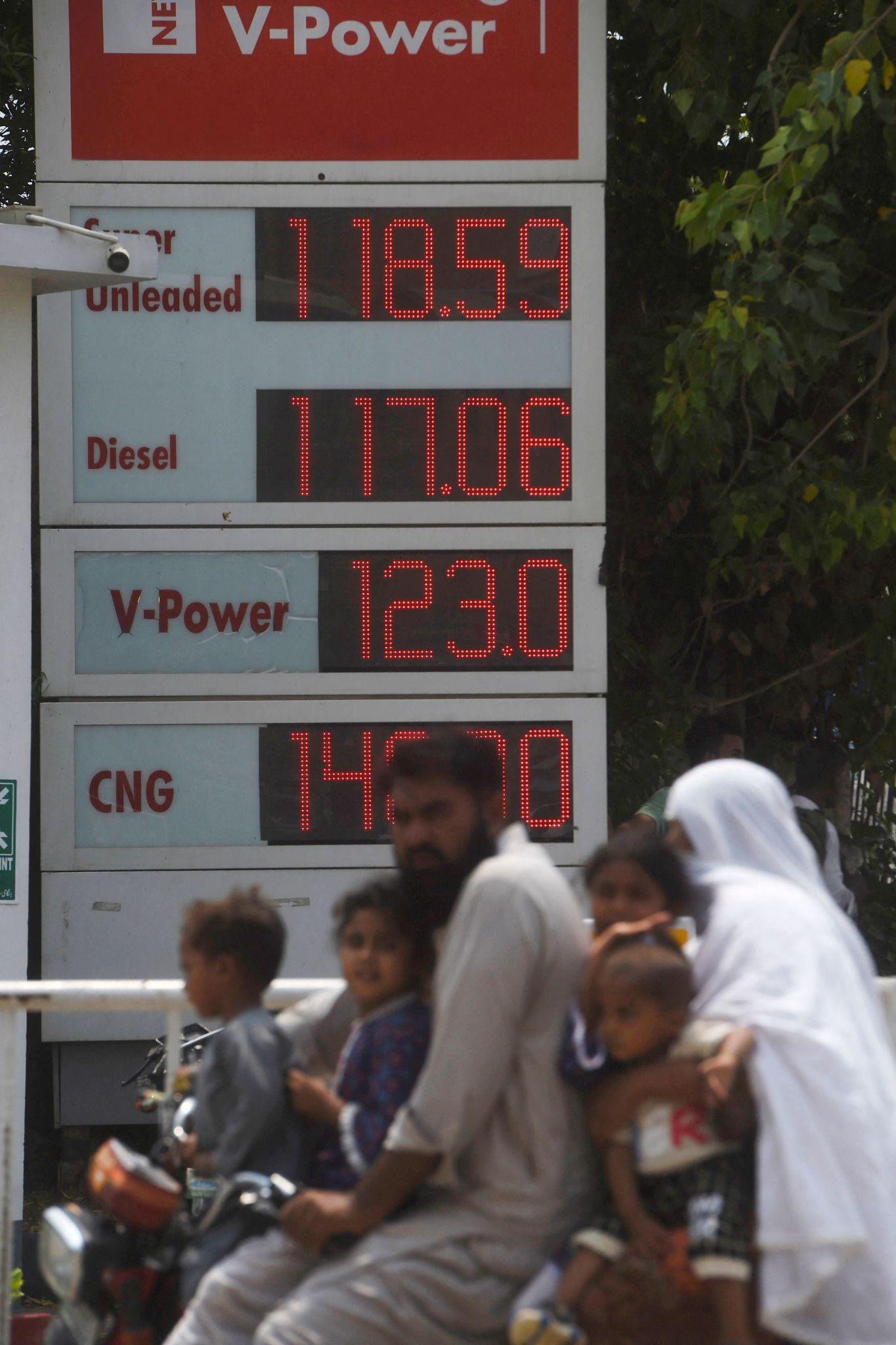
As tensions between the United States and Iran continue to disrupt global oil flows, Pakistan faces a stark and unavoidable reality regarding energy waste. Rising fuel prices, vulnerable supply chains, and geopolitical uncertainty have exposed the fragility of our energy dependence. Such a moment requires transforming behavior. Pakistan must adopt a culture of permanent energy discipline, led from the very top.
At the heart of this transformation lies a very powerful principle: leadership must set the example. For decades, energy conservation in Pakistan has been treated as a temporary response to crises, short-lived campaigns that fade as soon as pressure eases. This approach is no longer sustainable. If the country is to navigate recurring global shocks, conservation must become a permanent national ethic.
Reforming Government Consumption
The first and most visible step is reforming government behavior. At a time when ordinary citizens struggle to afford fuel, the continued display of large official motorcades, unnecessary travel, and fuel-intensive protocols sends the wrong message. Ending excessive government movement, limiting security convoys to essential operations, and replacing physical meetings with virtual ones could save significant fuel while establishing moral credibility. When leaders voluntarily reduce their own consumption, it creates a ripple effect across society.
Making Energy Pricing Fair and Accountable
However, symbolic gestures alone are not enough. Structural reforms must reinforce this shift. One critical measure is the introduction of heavy luxury taxes and fuel surcharges on high-consumption vehicles such as SUVs. Energy pricing must reflect responsibility. Those who choose energy-intensive lifestyles should bear a proportionately higher financial burden. This is not merely a fiscal decision; it is a signal that wasteful consumption will no longer be subsidized by the broader public.
Equally important is the need for institutional competence. Pakistan’s energy efficiency agenda must be led by technically qualified professionals with the authority to implement long-term strategies. Too often, energy policy is shaped by short-term political considerations rather than data-driven planning. Appointing experienced experts to lead energy efficiency departments would ensure continuity, accountability, and measurable outcomes.
Energy policy is shaped by short-term political considerations rather than data-driven planning.
Embedding Efficiency into Everyday Life
Beyond governance, the country must embed efficiency into its economic and social fabric. This includes a permanent shift toward energy-efficient buildings, appliances, and transport systems. Work-from-home policies, where feasible, should be institutionalized rather than treated as temporary crisis measures. Reducing daily commuting can significantly cut fuel consumption, ease urban congestion, and improve productivity.
At the same time, Pakistan must accelerate its transition toward renewable energy, particularly solar power. With abundant sunlight throughout the year, the country has a natural advantage that remains underutilized. Expanding solar adoption at both household and industrial levels can reduce dependence on imported fuel and shield the economy from external shocks.

Global Lessons in Energy Discipline
Global experience offers valuable lessons. Countries that have faced severe energy crises have not simply endured them—they have transformed their systems and behaviors.
Fukushima Disaster in 2011, Japan
Following the Fukushima disaster in 2011, Japan launched the nationwide “Setsuden” campaign, encouraging citizens and businesses to actively reduce electricity consumption. What made this effort effective was visibility: real-time power usage data allowed people to see the impact of their actions. Over the long term, Japan introduced the “Top Runner” program, where the most efficient product in the market sets the future standard for all others, driving continuous innovation.
European Energy Crisis 2022, France
Similarly, France responded to the 2022 European energy crisis with its “Energy Sobriety Plan,” targeting a 10% reduction in consumption. Public sector leadership played a key role, with strict limits on heating in government buildings and behavioral nudges such as real-time electricity alerts to citizens. This created a sense of shared responsibility rather than imposed restriction.
Gas Crisis, Germany
Germany, facing a sudden disruption in gas supplies, reduced its primary energy consumption to its lowest level since reunification through a combination of pricing reforms, efficiency campaigns, and temporary fuel switching. The government also provided widespread support for energy audits and efficiency upgrades, ensuring that conservation was both accessible and practical.
National Fiscal Emergency, South Korea
In Asia, South Korea has long treated energy shocks as national fiscal emergencies. By imposing higher taxes on luxury consumption and using tiered pricing systems, it discourages waste while protecting essential economic activity.
National Energy Efficiency Program, Vietnam
Vietnam, through its National Energy Efficiency Program, has gone further by setting mandatory reduction targets for industries and promoting green building standards, ensuring that efficiency is built into future growth.

A Strategic Path Forward for Pakistan
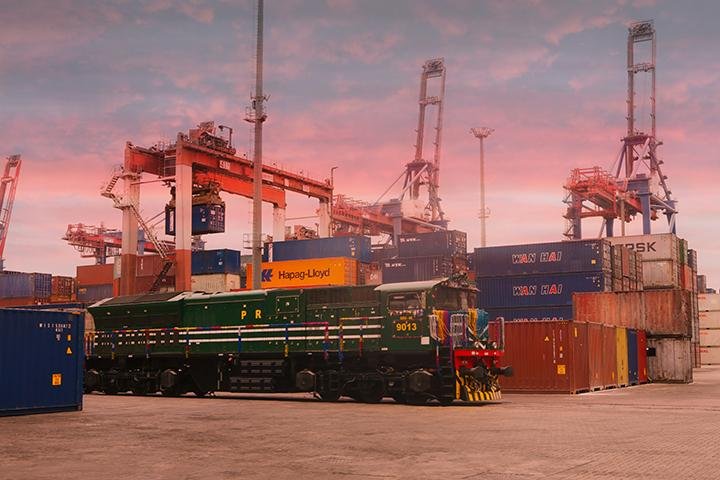
For Pakistan, this means moving beyond reactive policymaking toward a disciplined, forward-looking strategy. Freight transport must gradually shift from road to rail, reducing the heavy oil burden of logistics. Urban planning must prioritize public transport and electrification. Industries must be incentivized and, where necessary, required to adopt energy-efficient technologies.
From Crisis to Opportunity
Most importantly, energy discipline must be reframed not as sacrifice, but as national strength. A country that uses its resources efficiently is more resilient, more competitive, and less vulnerable to external shocks. In contrast, a nation that tolerates waste undermines its own stability.
This moment of crisis, therefore, is also a moment of opportunity. Pakistan can either continue managing energy shortages on a day-to-day basis, or it can seize this moment to build a self-reliant, efficient, and disciplined economy. The choice will define not just our energy future, but our economic sovereignty.
The writer can be reached at energyexprt.pk1@gmail.com