



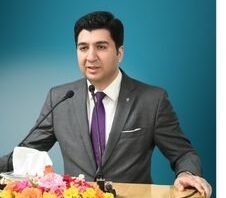
A Conversation with Energy Policy Expert Barrister Engineer Habil Ahmed Khan
From circular debt and electricity theft to solar expansion, smart metering, and renewable energy transition, Habil Ahmed Khan argues that Pakistan’s biggest challenge is not a shortage of electricity, but the inability to efficiently utilize and manage it.
In a thought-provoking conversation, legal and energy policy expert Habil Ahmed Khan unpacks the realities behind Pakistan’s troubled power sector.
MT: It’s usually said that Pakistan has surplus electricity, yet load shedding still exists. What is the real situation?
Habil Ahmed Khan: Pakistan currently has an installed electricity generation capacity of nearly 46,000 megawatts. Around 60 percent comes from thermal power, about 24–25 percent from hydel sources, nearly 8 percent from nuclear energy, and roughly 6 percent from renewable energy projects such as solar and wind.
The issue is not that Pakistan lacks electricity. The deeper problem is that our power is not being utilized properly. There is a disconnect between demand and supply management. On one hand, the government says there is surplus power; on the other, factories and businesses wait months to get electricity connections or sufficient load allocations. Many consumers receive only 50 to 70 percent of the power they request. This clearly shows there is demand in the country. The system itself is structurally misaligned.
MT: How does Pakistan compare to countries like China in terms of energy transition?
Habil Ahmed Khan: China is leading the world in energy transition. It has an installed capacity of approximately 3,400 gigawatts, with nearly 1,500 gigawatts coming from wind and solar alone.
Pakistan’s system is much smaller at around 46 gigawatts, but we still have tremendous potential. We should not feel discouraged. Instead, we should focus on utilizing our indigenous resources more intelligently.
MT: Solar energy adoption in Pakistan has grown rapidly. What does this trend indicate?
Habil Ahmed Khan: Circular debt reflects a broken value chain. Government subsidies are underpaid, distribution companies underperform, and payment delays travel across the system eventually affecting power producers.
Electricity theft is another major contributor. In Pakistan, this is commonly known as the “Kunda system.” Without improving demand-side management and metering efficiency, circular debt cannot be resolved.
MT: You mentioned smart metering as a possible solution. How would that work?
Habil Ahmed Khan: Smart meters provide real-time electricity usage data to both consumers and distribution companies. Utilities can identify losses down to specific feeders or neighborhoods, while consumers can monitor their own consumption patterns and detect irregularities or tampering. This technology helps both sides. Utilities can identify theft more effectively, and consumers can protect themselves from overbilling or unauthorized usage.
The people who could actually afford to pay are the ones who are going off the system, while the burden of inefficiencies falls on the lower middle class
Most countries facing similar challenges have already implemented such systems successfully. Pakistan should adopt them urgently.
MT: Solar energy adoption in Pakistan has grown rapidly. What does this trend indicate?
Habil Ahmed Khan: In the past five years, Pakistan imported nearly 43 gigawatts worth of solar panels. Last year alone, imports reached approximately 17 gigawatts. This demonstrates that people are willing to solve their own electricity problems when the grid fails to provide reliable and affordable energy. Consumers increasingly feel that the grid is unstable, unreliable, and expensive. As a result, households and businesses are moving off-grid and installing rooftop solar systems.
However, this creates another challenge. The people who can afford to pay electricity bills, typically middle and upper-middle-class consumers are leaving the system. This means the burden of inefficiencies, theft, and circular debt increasingly falls on lower-income consumers who remain dependent on the national grid.
MT: Pakistan is also discussing the Competitive Trading Bilateral Contract Market (CTBCM). What is it?
Habil Ahmed Khan: CTBCM is part of a long-standing reform process dating back to the late 1980s and 1990s. In simple terms, it would allow electricity producers to sell power directly to consumers, bypassing inefficient intermediaries. If implemented properly, it could modernize Pakistan’s power market. However, there are serious concerns.
Pakistan currently lacks the infrastructure and regulatory readiness required for such a sophisticated market. Without real-time data systems, proper metering, and privatized distribution companies, CTBCM may create additional complexity rather than solving existing problems. There are also concerns that larger distribution companies would dominate the market due to economies of scale, potentially disadvantaging smaller regions and consumers.
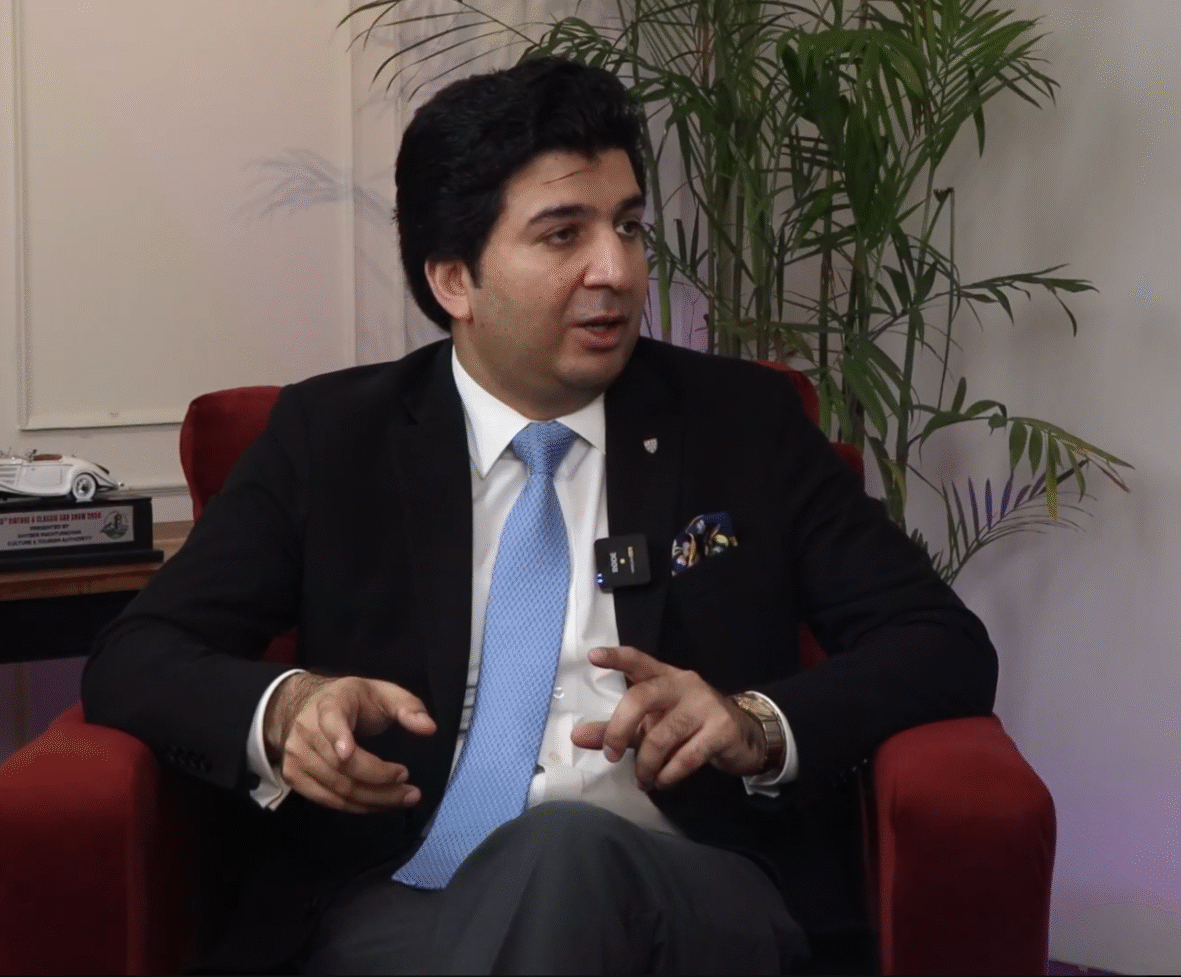
MT: Another important policy document is the IGCEP. Why has it become controversial?
Habil Ahmed Khan: The Indicative Generation Capacity Expansion Plan (IGCEP) is supposed to guide Pakistan’s power planning until 2047. It determines what kind of power plants Pakistan should build and when.
However, the effectiveness of the document depends entirely on the quality of the data used in planning. At present, there appears to be a disconnect because poor data modeling, inaccurate demand forecasting, and insufficient consideration of future sectors such as AI, electric vehicles, mining, and digital infrastructure have affected the planning process.
When both the public and private sectors are dissatisfied with a policy framework, it indicates that something is fundamentally wrong.
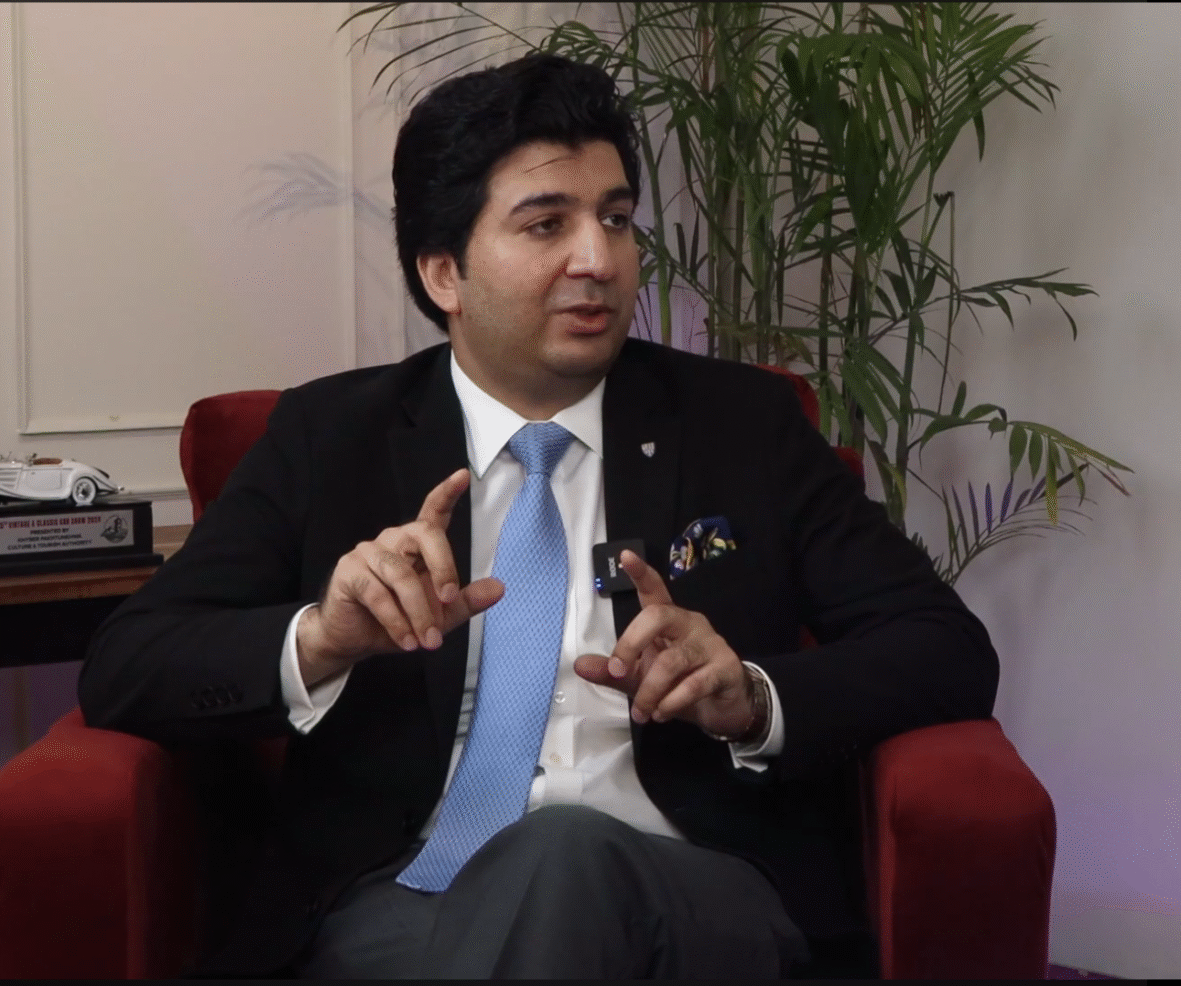
MT: In your view, what should be the core objectives of Pakistan’s energy policy?
Habil Ahmed Khan: The objectives are actually very simple:
- Electricity must remain cheap and affordable.
- Pakistan must ensure energy security through indigenous resources.
- The country should accelerate its transition toward renewable energy.
Pakistan has enormous renewable energy potential. We have abundant sunlight for solar energy and strong wind corridors along the coast. Internationally, countries are rapidly shifting toward clean and net-zero energy systems, including even oil-rich Middle Eastern states.
Pakistan must move in the same direction.
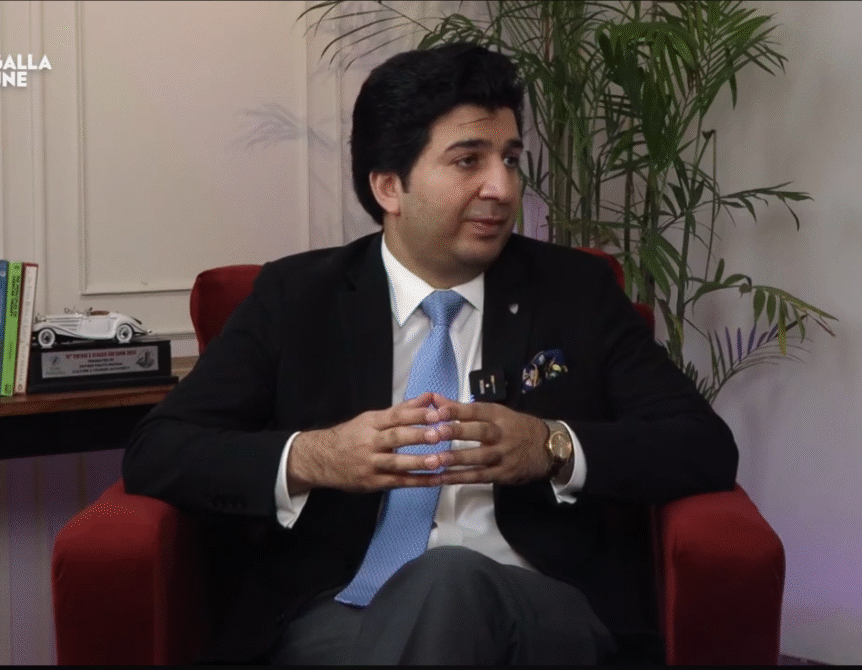
MT: Finally, what are your top recommendations for reforming Pakistan’s power sector?
Habil Ahmed Khan: First, Pakistan must utilize its idle generation capacity for economic growth instead of relying excessively on subsidies.
Second, the energy sector should be directly linked with exports and industrial expansion so that electricity contributes to foreign exchange earnings.
Third, Pakistan urgently needs efficient service systems and smart metering infrastructure that can provide real-time data and improve governance.
Most importantly, Pakistan must recognize that it does not have an energy shortage problem. It has an energy use problem. Reforming the demand side of the sector is the real key to solving the crisis.