


Rediscovering the Mughal Fort Below Ground
Beneath the stone pathways trodden by emperors and courtiers lies a subterranean world of chambers and corridors, forgotten by time yet meticulously conceived by the architects of empire. The rediscovery of these underground spaces is not merely an archaeological event; it is a moment of historical reckoning, inviting us to reconsider how power, privacy, and permanence were engineered in Mughal Lahore.
The Lahore Fort, rising with imperial confidence along the old course of the River Ravi, belongs to both traditions. For centuries, its marble pavilions, frescoed halls, and mighty gates have spoken eloquently of Mughal power and aesthetic refinement. Yet only recently has the fort begun to reveal a deeper, more intimate narrative, one concealed beneath its very foundations.
The Architecture of What Was Never Meant to Be Seen
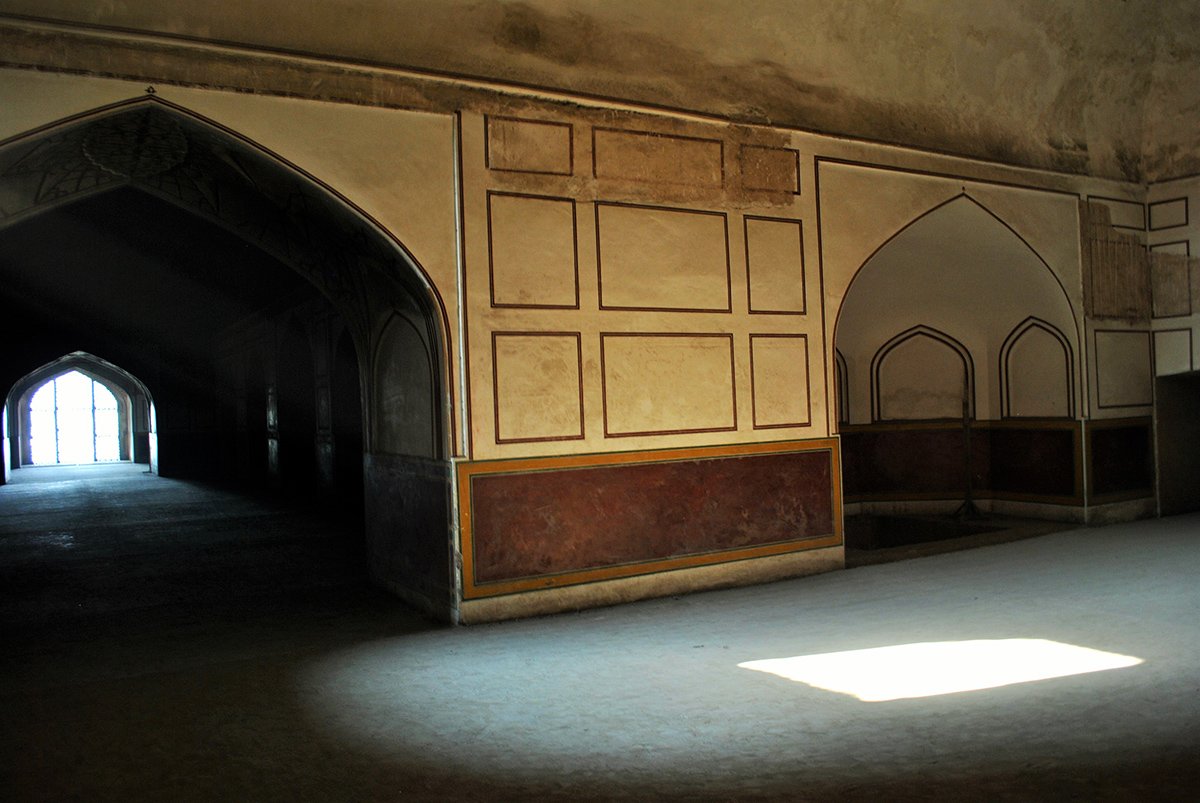
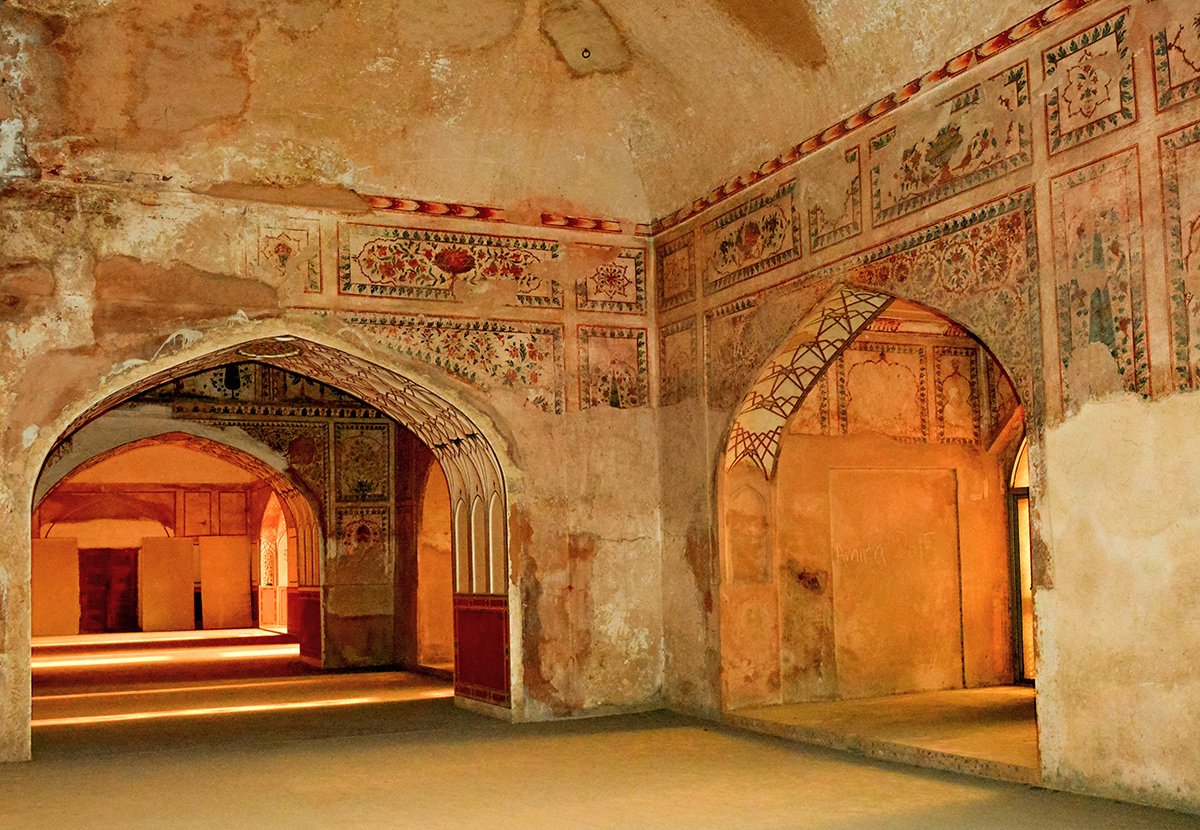
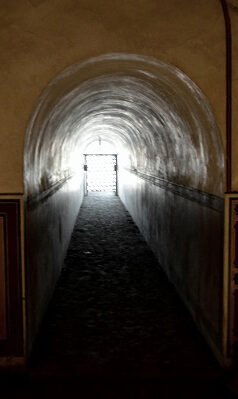
The newly revealed chambers lie beneath the Khilwat Khana and surrounding quadrangle areas once reserved for the emperor’s closest circle. Spread across multiple underground levels, these spaces were not accidental voids or crude storage pits. They are carefully proportioned rooms, connected by narrow stairways and passages, built with the same attention to structural logic that defines the visible fort above.
Known locally as Teh Khanay, such subterranean constructions were a hallmark of Mughal architectural intelligence. In an age before mechanical climate control, underground chambers provided natural insulation, maintaining cooler temperatures during Lahore’s searing summers. They served practical functions, storage of goods, administrative operations, and service circulation, while remaining invisible to the ceremonial life of the court.
More importantly, these spaces reflect a Mughal understanding of architecture as a layered experience. What the public saw was deliberate pageantry; what lay beneath was disciplined order.
Power, Privacy, and the Mughal State
To understand these chambers is to understand the psychology of empire. The Mughal court was as much about controlled access as it was about spectacle. The fort aboveground choreographed hierarchy through gates, courtyards, and halls of audience. Below ground, movement could occur discreetly, away from public gaze.
Historical evidence suggests that some of these chambers were used for secure storage and administrative activity, while others may have functioned as holding spaces during later periods. Over time, particularly during Sikh and British rule, the original purposes of these rooms were altered, sometimes reduced to confinement or neglected entirely. Layers of soot, debris, and structural infill tell a story of continuous reuse, adaptation, and eventual abandonment.
This quiet degradation, however, is itself part of the fort’s living history.
Rediscovery Through Conservation, Not Chance
Unlike romantic tales of accidental finds, the uncovering of Lahore Fort’s subterranean world was the result of patient, methodical conservation. Led by the Aga Khan Cultural Service–Pakistan in collaboration with the Walled City of Lahore Authority, the project was rooted in rigorous research rather than spectacle-driven excavation.
Years of archival study, structural analysis, and careful removal of later accretions allowed conservators to identify original Mughal fabric beneath centuries of alteration. Drainage systems were restored, structural integrity reinforced, and ventilation reintroduced, ensuring that what was uncovered could be preserved, not merely exposed.
This approach marks a maturation in Pakistan’s heritage practice: conservation as scholarship, not excavation as disruption.
A Dialogue Between Surface and Depth
What makes these chambers so compelling is not simply their age or rarity, but the philosophical dialogue they establish with the fort above. The Lahore Fort has long been celebrated as a symbol of Mughal magnificence, marble reflecting sunlight, frescoes narrating power, and gardens shaping paradise on earth.
The underground chambers speak a quieter language. They reveal the infrastructure that made imperial life possible: storage that fed the court, circulation routes that preserved hierarchy, and foundations that ensured endurance. Together, surface and substructure form a complete architectural organism, one designed not just to impress, but to last.
Why This Hidden World Matters Now
At a time when heritage risks being reduced to visual consumption, the Lahore Fort’s subterranean spaces resist easy admiration. They demand contemplation. They remind us that history is not always ornamental; it is often functional, strategic, and deliberately unseen.
Opening parts of this underground complex to the public is therefore a profound cultural gesture. It allows visitors not merely to look at history, but to enter it, to walk through spaces shaped by necessity rather than display. For scholars, these chambers offer new material evidence of Mughal engineering and spatial planning. For the public, they offer humility: a reminder that even the grandest empires relied on hidden systems to sustain their splendor.
Listening to What Lies Beneath
The hidden world beneath the Lahore Fort does not compete with its visible majesty; it completes it. These chambers are not an afterthought of history, but its backbone. They are the unseen architecture of empire, patiently waiting for the moment when silence gives way to understanding.
In revealing them, Lahore does not merely add another chapter to its past. It deepens the narrative, inviting us to read history not only in marble and mosaic, but in shadow, stone, and earth.