



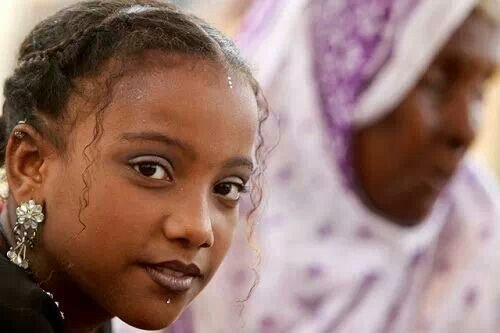
Pakistan’s rich cultural map is usually drawn through its great regional identities, such as Punjabi, Sindhi, Baloch, Pashtun and the many peoples of the country’s moun-tainous north. Far less familiar are the Sheedis, an African-descended community that has lived along the Makran coast and in the old neighbourhoods of Karachi for generations.
The Sheedi community in Pakistan is concentrated principally in Sindh and Balochistan. There is no authoritative population count. Minority Rights Group notes estimates ranging from 50,000 to almost one million, illustrating how poorly documented the community remains. It estimates that substantial concentrations live in lower Sindh, Karachi and Balochistan.
African Origins
Academic research shows that African movement into South Asia has an ancient history. Oxford historian Omar H. Ali notes evidence of systematic trade between Ethiopia and India from at least the first century CE and describes Africans arriving in South Asia over the following two millennia in different capacities. Many, particularly in later centuries, were transported through the Indian Ocean slave trade, while Africans also served as soldiers and occupied other positions in South Asian societies.
This complexity matters. Reducing the entire Sheedi story to slavery erases other dimensions of African mobility and agency. At the same time, enslaved Africans were transported in significant numbers from East Africa through the Arabian Sea network.
The Hidden Energy Dependency of American Agriculture
Historian Beatrice Nicolini’s research on the nineteenth-century Makran-Baluch-African network describes extensive movement between East Africa, Oman and Makran. African slaves were carried from East Africa to Oman and aboard, while Baloch communities themselves moved in the opposite direction into Oman and East Africa. The result was not a simple one-way migration but a network linking societies on both sides of the sea.
Makran: Where Africa Met South Asia
The Makran coast is therefore central to understanding Pakistan’s African heritage.
Its geographical position facing Oman placed it within this maritime world, while Gwadar’s political history strength-ened the connection. Gwadar remained under the Sult-anate of Oman until Pakistan purchased the enclave in 1958 and it formally became part of Pakistan on Decem-ber 8 the same year.
Modern genetic science provides remarkable evidence of what happened along these routes. A genome-wide study of African-descended Makranis living on Pakistan’s Arabian Sea coast found ancestry resulting from ad-mixture between local Baloch populations and Bantu-speaking peoples originating in eastern or southeastern Africa. Researchers estimated a major admixture event approximately 300 years ago, corresponding broadly with the period of strong Omani influence in the region.
Over generations, African-descended populations became deeply embedded in their surroundings. In Balochistan they adopted Balochi, while in Sindh, Sindhi became dominant. Their identity today is therefore not simply “African”, but reflects centuries of cultural exchange and integration within Pakistan’s coastal societies
What’s in a Name?
Also known as “Habshi”, a term historically used widely in South Asia for people of African origin, derives from the association with Habash or Abyssinia. “Sheedi”, meanwhile, has a more debated etymology.
A widely accepted scholarly explanation links Sidi or Sheedi to the Arabic sayyid or sayyidi, a title of respect. Recent scholarship notes that sayyidi, roughly “my master”, is one of the principal explanations for the name, although alternative etymologies exist.
Sheedis, an African-descended community that has lived along the Makran coast and in the old neighbourhoods of Karachi for generations.
Within sections of Pakistan’s Sheedi community, another powerful tradition connects their identity to Hazrat Bilal ibn Rabah, the Abyssinian companion of Prophet Muhammad (PBUH) and Islam’s first muezzin. Some community narratives describe a spiritual or ancestral connection with Hazrat Bilal.
This is best understood as an important expression of community memory and religious identity.
Faith and an African Cultural Memory
The great majority of Pakistan’s Sheedis are Muslim. Yet within some communities, particularly in Sindh, Islam has developed alongside distinctive cultural practices in which African musical memory and South Asian Sufism appear to intersect.
For generations, the annual Sheedi Mela at Manghopir, on the outskirts of Karachi, has brought members of the community to the shrine associated with Sakhi Sultan Manghopir. The gathering combines devotion with music, dance, food, procession and ritual.
Within traditional Sheedi practice, percussion, chanting and rhythmic movement to the beat of drums can carry spiritual significance. Community traditions include forms of zikr and devotional performance in which African-derived musical elements have blended with local Sufi expression.
The traditions demonstrate something extraordinary about diaspora showcasing culture surviving the migration almost unchanged.
The Crocodiles of Manghopir
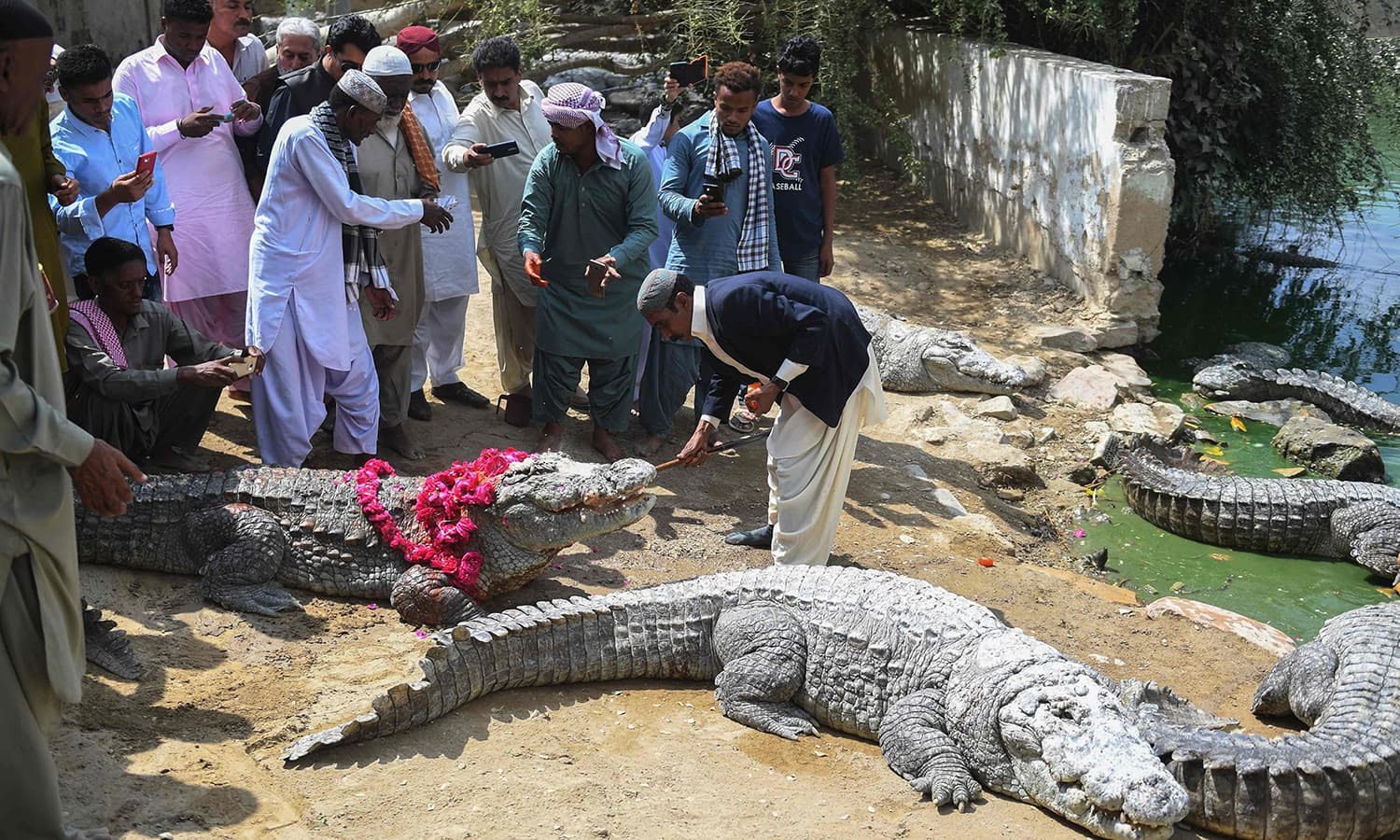
The most unusual feature of Manghopir is its crocodile pond.
The reptiles have acquired sacred significance in local folklore, and during the Sheedi Mela, devotees traditionally offer meat and sweets to them. The largest crocodile has historically been accorded particular ceremonial importance. The tradition also reflects a distinctive relationship between community, belief and the natural environment, where wildlife becomes woven into the cultural and spiritual life of a place.
A Community of the Sea
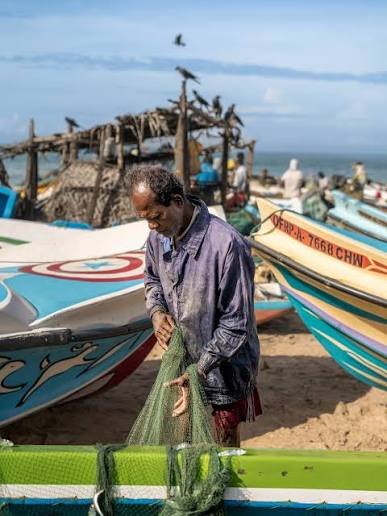
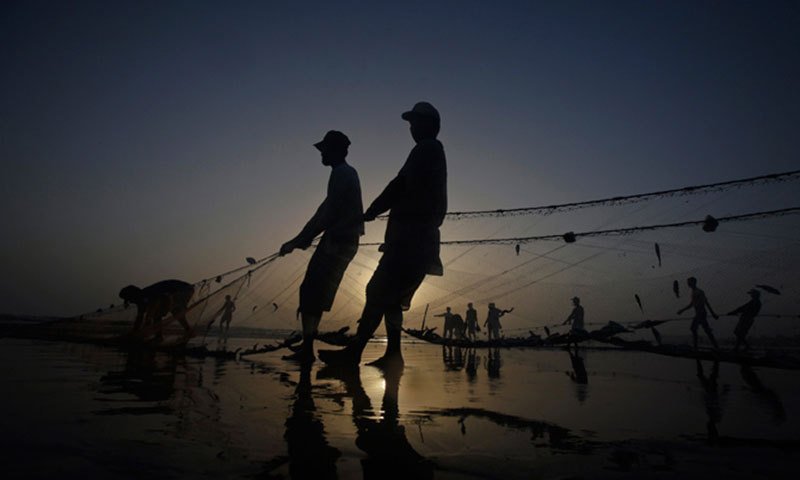
For many Sheedi families along Pakistan’s coast, the sea has continued to provide a livelihood. Fishing, sailing, small-boat work and employment connected with ports have historically been associated with Afro-Pakistani coastal communities. In Makran, where fishing has sustained coastal settlements for generations, many Sheedi and Makrani families became part of this maritime economy, passing knowledge of the sea and fishing practices from one generation to another.
Manghopir is its crocodile pond….The tradition also reflects a distinctive relationship between community, belief and the natural environment, where wildlife becomes woven into the cultural and spiritual life of a place.
From Political Margins to the Sindh Assembly
Social marginalisation has accompanied this cultural invisibility. Minority Rights Group identifies discrimination, poverty and limited access to education among the continuing challenges faced by sections of Pakistan’s Sheedi population. Racial prejudice based on skin colour has also remained a lived reality.
Political representation, however, reached a historic milestone in 2018.
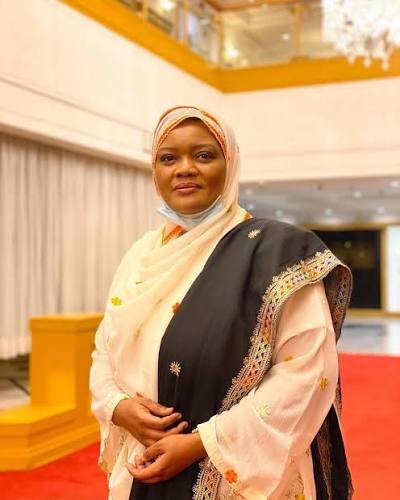
Tanzeela Qambrani, a postgraduate in computer science whose family traces its ancestry to Tanzania, became the first Sheedi woman to enter the Sindh Assembly. She was elected on a reserved women’s seat for the Pakistan Peoples Party. Her father was a lawyer and her mother a school headmistress, while Qambrani had previously served in local government.
Her entry into the legislature was significant precisely because the community had remained largely absent from Pakistan’s mainstream political representation.
African Roots, Pakistani Identity
Sheedis, historically also referred to as Habshis, are Pakistanis whose ancestry reveals an extraordinary chapter of the country’s history.
They celebrate Ramadan and Eid, speak Sindhi and Balochi, belong to the social worlds of Sindh and Balochistan, and have lived in the region for generations. Yet African ancestry remains visible in elements of cultural memory, musical traditions and, as modern genetic research demonstrates, their biological heritage.
Their existence complicates conventional ideas about what a Pakistani is supposed to look like. It also gives Pakistan an unexpected historical connection with Africa.
Modern diplomacy often speaks of strengthening Pakistan’s relationships with African countries as though these were relatively new connections. The Sheedi story reminds us that the Arabian Sea was connecting these societies centuries before embassies, passports and nation-states existed.
The route from Zanzibar and the East African coast through Oman to Makran was not merely a commercial corridor. It carried human beings, willingly and unwillingly. Those journeys produced new communities, identities and traditions.
Today, the challenge is to ensure that this history does not disappear. Preserving and documenting oral histories, music, ritual practices and the Indian Ocean connections that explain how this community became part of Pakistan is imperative to safeguarding an important, but still under-recognised, chapter of Pakistan’s history.