



by Rayaan Khan
Over the past three decades, franchising has emerged as one of the most dynamic sectors of Pakistan’s economy. Driven by rapid urbanisation, the growth of an urban middle class and changing consumer preferences, franchise businesses have transformed the country’s retail, food, education and service industries. International brands have entered Pakistan through partnerships with local investors, while domestic businesses have adopted the franchise model to expand nationwide. As a result, franchising has become an important source of investment, employment, skills development and tax revenue.
Unlike independent businesses, franchises operate using proven business models. Franchisees purchase the right to use an established brand, operating system and marketing strategy while receiving training and technical support from the franchisor. This can reduce business risk compared with launching a new business and encourages investment in sectors that require high levels of standardisation, such as restaurants, retail stores and educational institutions. In Pakistan, the franchise industry has become a significant contributor to economic activity, attracting domestic and foreign investment while modernising consumer markets.
The food and quick-service restaurant (QSR) sector represents the largest and most successful segment of Pakistan’s franchise industry. International brands such as KFC, McDonald’s, Pizza Hut, Subway and Hardee’s have established a strong presence across major cities through master franchise agreements with local companies. KFC entered Pakistan in 1997 and has expanded to more than 150 outlets nationwide, making it one of the country’s largest international restaurant chains. McDonald’s followed in 1998 and now operates approximately 85 restaurants across Pakistan. These brands have introduced international food standards, efficient service and consistent quality, reshaping dining habits, particularly among urban consumers.
Alongside international chains, several Pakistani brands have successfully embraced the franchise model. Bundu Khan, established in Lahore in 1991, now operates across more than 27 cities and formally launched its franchising programme in 2020. Likewise, One Potato Two Potato (OPTP), founded in Karachi in 1998, has grown into one of Pakistan’s leading fast-food chains by combining locally adapted menus with professional management. These domestic franchises demonstrate that Pakistani entrepreneurs can successfully compete with multinational corporations while building nationally recognised brands.
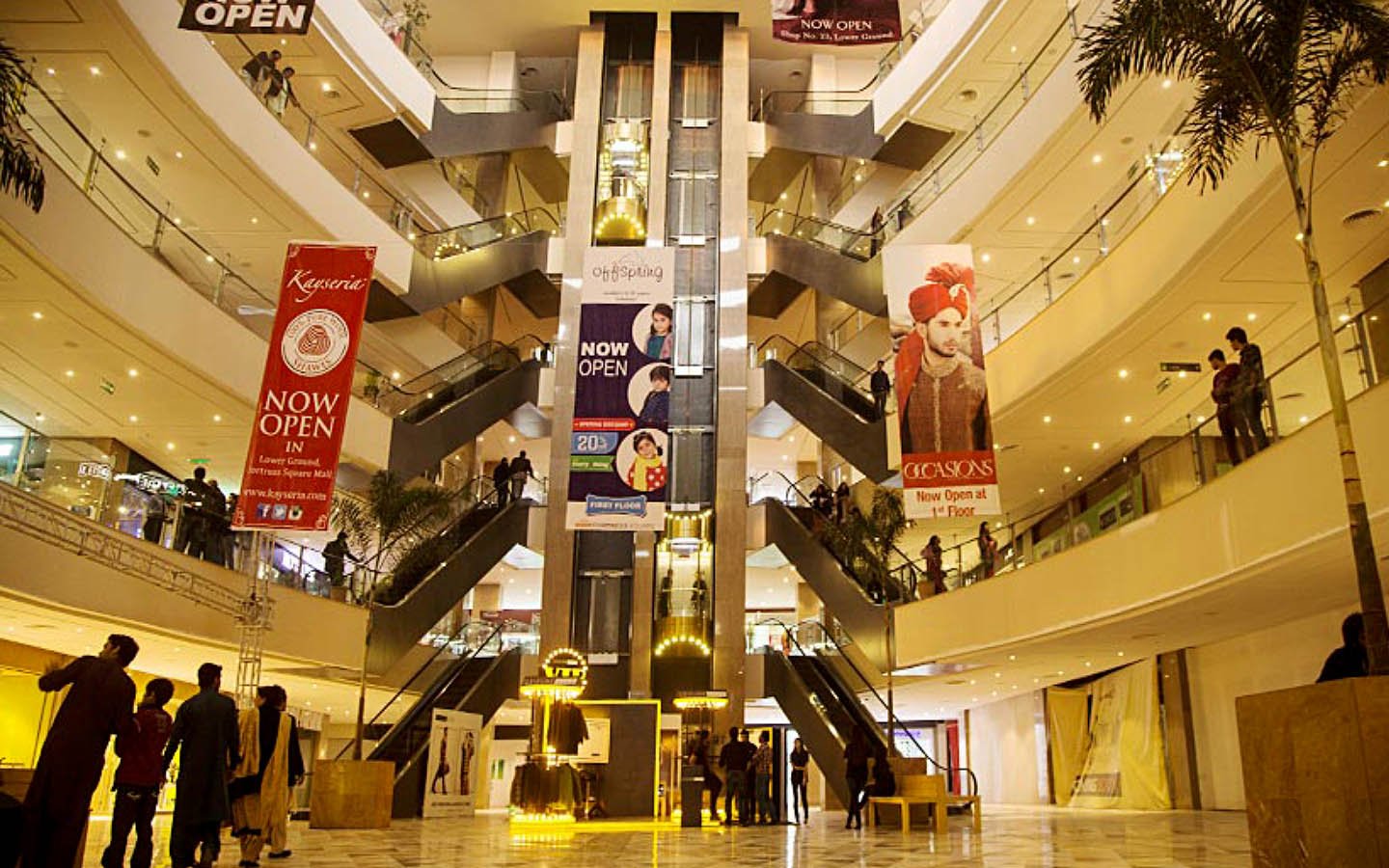
Franchising has also transformed Pakistan’s retail industry. International fashion, cosmetics and lifestyle brands such as Next, Splash, Mango and Miniso have entered the Pakistani market through franchise partnerships, particularly within modern shopping malls. Their presence allows consumers to purchase internationally recognised products without travelling abroad while strengthening Pakistan’s organised retail sector. As shopping malls continue to expand in cities including Karachi, Lahore and Islamabad, franchised stores have become key tenants, generating commercial activity and creating thousands of employment opportunities.
Another important area of franchise expansion is education. Pakistan has a well-developed education franchise sector, with school chains operating hundreds of campuses nationwide. The Educators and Allied Schools are among the country’s largest education franchises, collectively educating hundreds of thousands of students through standardised curricula, teacher training and centralised administrative systems. Overall, more than twenty school franchise networks operate approximately 3,500 campuses serving around 1.23 million students. Educational franchising has expanded access to quality schooling, particularly in smaller cities, by enabling investors to establish schools under trusted educational brands while maintaining common academic standards.
Although food, retail and education dominate the market, franchising has expanded into several other sectors. International hotel chains, courier companies, logistics providers and fitness brands increasingly operate through franchise or licensing agreements. Companies such as DHL and Marriott have strengthened Pakistan’s service economy by introducing internationally recognised operational standards while creating employment opportunities in logistics, hospitality and professional services. These sectors demonstrate that franchising is no longer limited to restaurants but has become a diverse business model supporting multiple industries.
Franchising’s economic impact extends beyond individual businesses. A single fast-food restaurant typically employs between 30 and 60 workers, including managers, cashiers, kitchen staff and cleaners, while large retail outlets, hotels and shopping centres employ even more. Franchises also support suppliers, transport companies, construction firms, packaging manufacturers, advertising agencies and digital marketing businesses. Educational franchises similarly employ teachers, administrators and support staff while stimulating local economies.
Franchising also encourages investment and entrepreneurship. Opening a franchise generally requires substantial investment in premises, equipment, staff training and inventory. International franchise systems attract foreign investment while enabling Pakistani entrepreneurs to invest in globally recognised brands with lower risk than creating entirely new enterprises. According to the International Trade Administration, Pakistan hosts more than 200 international franchise brands, representing billions of dollars in cumulative private investment. Although franchisees pay royalties to parent companies, most operational spending, including salaries, rent, taxes and local procurement, remains within Pakistan, supporting the domestic economy.
Supply chains have also benefited from franchise expansion. International restaurant chains require consistent quality and food safety standards, encouraging Pakistani suppliers to modernise production methods. Poultry farms, dairy producers, bakeries and packaging manufacturers have invested in improved technology to meet franchise requirements. Many multinational restaurant chains now source a growing share of their ingredients locally, reducing reliance on imports where feasible while strengthening domestic manufacturing. These developments have improved production standards and supported advances in cold storage, logistics and food safety systems.
Operating within the formal economy, they pay corporate income tax, sales tax, customs duties and payroll taxes while maintaining transparent financial records, this, franchises also contribute significantly to government revenue. Compared with many informal businesses, franchised companies generally comply with documented regulatory requirements, improving tax collection. By providing international shopping and dining experiences within Pakistan, they also help retain consumer spending that might otherwise occur abroad.
Despite these advantages, Pakistan’s franchise sector faces significant challenges. State Bank of Pakistan regulations place limits on franchise fees and royalty payments to foreign companies. Although intended to protect foreign exchange reserves, these restrictions are often viewed by industry stakeholders as discouraging new international brands from entering the market. Economic instability, currency depreciation and inflation further increase operating costs, particularly for businesses that depend on imported equipment, packaging or specialised ingredients. High commercial rents, rising utility costs and periodic electricity shortages also constrain profitability and expansion.
Infrastructure remains another obstacle. Reliable electricity, transport networks and cold-chain logistics are essential for maintaining quality standards, particularly in the food industry. Intellectual property enforcement also requires strengthening, as counterfeit businesses and imitation brands continue to undermine legitimate franchise operators. In addition, many franchises invest heavily in staff training to maintain consistent service and operational standards.
Despite these constraints, the long-term outlook for Pakistan’s franchise industry remains positive. The country’s young population, expanding urban centres and growing digital connectivity continue to drive demand for organised retail and internationally recognised brands. The rapid growth of e-commerce, digital payment systems and food delivery platforms has further expanded opportunities by enabling franchises to reach consumers more efficiently. Continued investment in infrastructure, vocational training and intellectual property enforcement would improve Pakistan’s attractiveness as a franchise destination. Encouraging greater local sourcing would also strengthen domestic industries and reduce dependence on imports, maximising the sector’s potential.
Franchising has become an important pillar of Pakistan’s modern economy. Through investment, employment generation, technology transfer and business standardisation, franchises have transformed multiple industries while supporting economic growth. Although regulatory and economic challenges continue to limit expansion, the sector has considerable long-term potential. With appropriate policy reforms and continued private-sector investment, franchising is likely to remain a major driver of entrepreneurship, consumer development and sustainable economic growth in Pakistan.
The writer is a student at ISOI and can be reached at rkhan05112009@gmail.com