



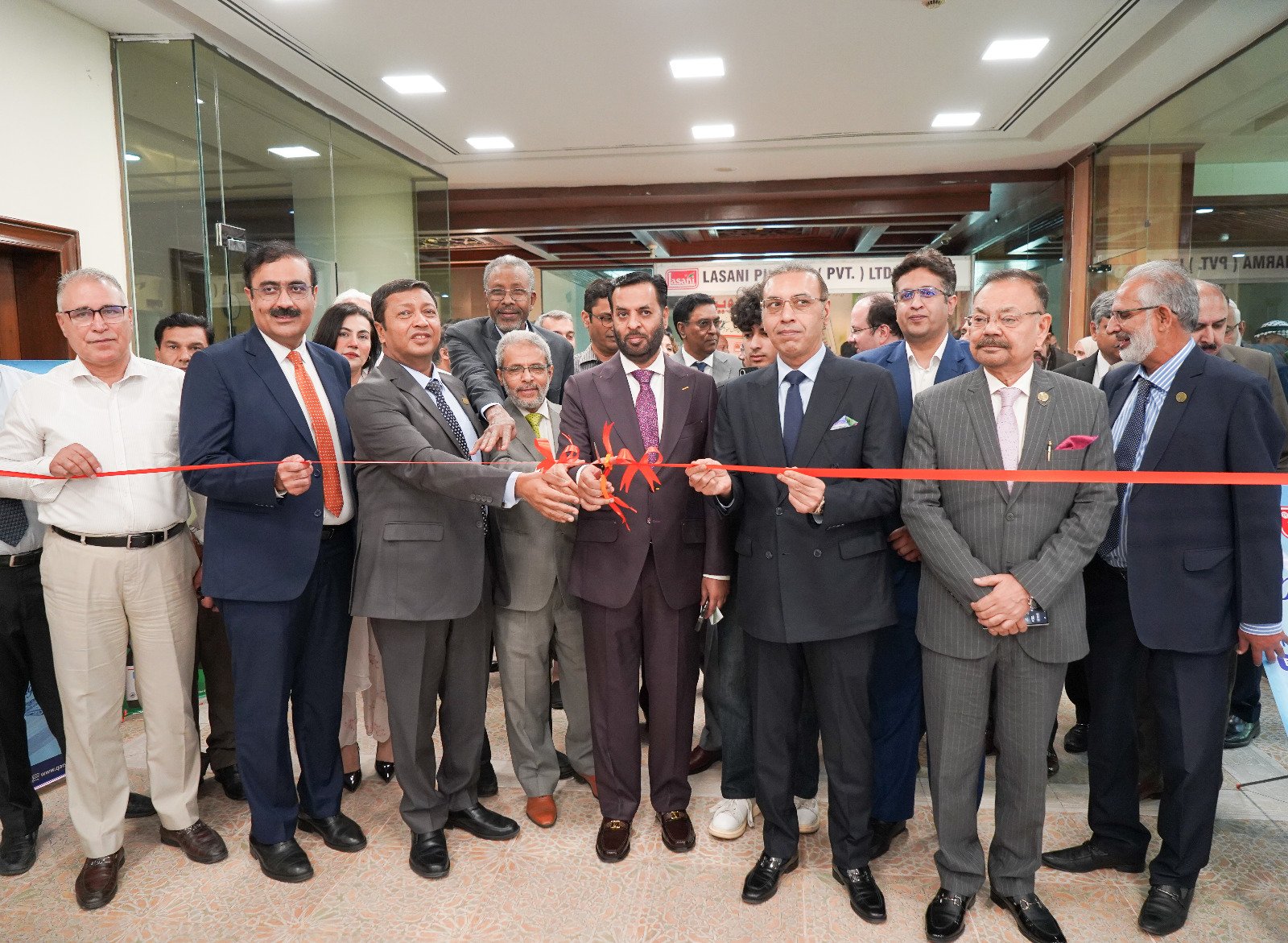
Pakistan Moves to Integrate Herbal Medicine into Mainstream Healthcare as COMSTECH-DRAP Seminar and Exhibition Opens
Experts call for evidence-based validation, stronger regulation and greater investment in traditional medicine research
Islamabad – 9 June 2026 (Adnan Hameed) : Pakistan has taken an important step towards integrating herbal and traditional medicines into the national healthcare system as a two-day Exhibition and Seminar on Research, Processing and Drug Development of Herbal Medicines commenced at the COMSTECH Secretariat on Tuesday.
The event, jointly organized by OIC-COMSTECH, the Drug Regulatory Authority of Pakistan (DRAP), and the Ministry of National Health Services, Regulations and Coordination, brought together policymakers, regulators, diplomats, scientists, traditional medicine practitioners, researchers, academia and representatives of the herbal industry to deliberate on the future of traditional medicine in Pakistan.
Federal Minister for National Health Services, Regulations and Coordination Syed Mustafa Kamal inaugurated the seminar and exhibition as chief guest. Addressing the inaugural session, he appreciated COMSTECH for bringing together experts, regulators, industry leaders and policymakers on a single platform to discuss the integration of traditional medicine into the healthcare system.
The minister said the government was committed to creating an enabling regulatory environment for herbal and alternative medicines and was actively advancing reforms aimed at strengthening the sector, says press note. He noted that the absence of clinical evidence and regulatory mechanisms had limited the wider acceptance of traditional medicine in the past, but informed participants that the legislative and regulatory process for traditional medicines had already moved forward and was expected to provide a stronger framework for the sector.
Emphasizing the importance of preventive healthcare, he said Pakistan possessed substantial indigenous medicinal resources and medicinal plants that could support the development of a vibrant herbal medicine industry while reducing dependence on imported pharmaceutical raw materials.
Coordinator General OIC-COMSTECH Prof. Dr. M. Iqbal Choudhary said traditional systems of medicine, including Unani medicine, represented centuries of accumulated knowledge and continued to serve millions of people worldwide. He observed that healthcare systems around the world were increasingly recognizing the importance of holistic and patient-centred approaches to health and well-being.
Prof. Choudhary stressed that the future of traditional medicine lies in scientific validation, clinical research and evidence-based practice. He said traditional, complementary and alternative medicine should be integrated into national healthcare systems where safety, efficacy and quality are supported by credible scientific evidence. He reaffirmed COMSTECH’s commitment to promoting research, clinical validation, capacity building and international cooperation among OIC member states to advance safe and effective traditional medicines.
DRAP Chief Executive Officer Dr. Obaidullah highlighted the growing importance of traditional and complementary medicine, particularly in rural and underserved communities. He said Pakistan had made considerable progress in regulating herbal, homeopathic and traditional medicines, but emphasized that further scientific research and clinical evidence were needed to facilitate their wider acceptance within mainstream healthcare. Strengthening quality standards and regulatory oversight, he added, would help unlock the sector’s significant potential.
The seminar is accompanied by a major exhibition featuring 53 manufacturers and stakeholders from the herbal, Unani, homeopathic and traditional medicine sectors. Fifteen leading companies and institutions, including Qarshi Industries, Marhaba Laboratories, Ashraf Laboratories, Herbion, Nutrifactor, Herbiotics, Hamdard, Hemani and Mint Pharmaceuticals, established exhibition stalls showcasing products, technologies and innovations.
The inaugural session was attended by ambassadors and diplomats from Jordan, Palestine, Sudan, Yemen, Mauritania, Thailand, Kazakhstan, Indonesia, and the Turkish Republic of Northern Cyprus, as well as representatives of the Russian Federation and other friendly countries.
Over the two-day programme, experts from DRAP, universities, research institutions and the herbal industry are discussing regulatory frameworks, medicinal plant research, evidence-based validation of traditional therapies, clinical trial guidelines, quality assurance standards, export opportunities and the integration of herbal medicines into primary healthcare systems.
Participants are expected to formulate recommendations and a future roadmap aimed at strengthening research, regulation, product development, clinical validation and industry growth, while facilitating the integration of safe and effective traditional medicines into Pakistan’s healthcare system.