



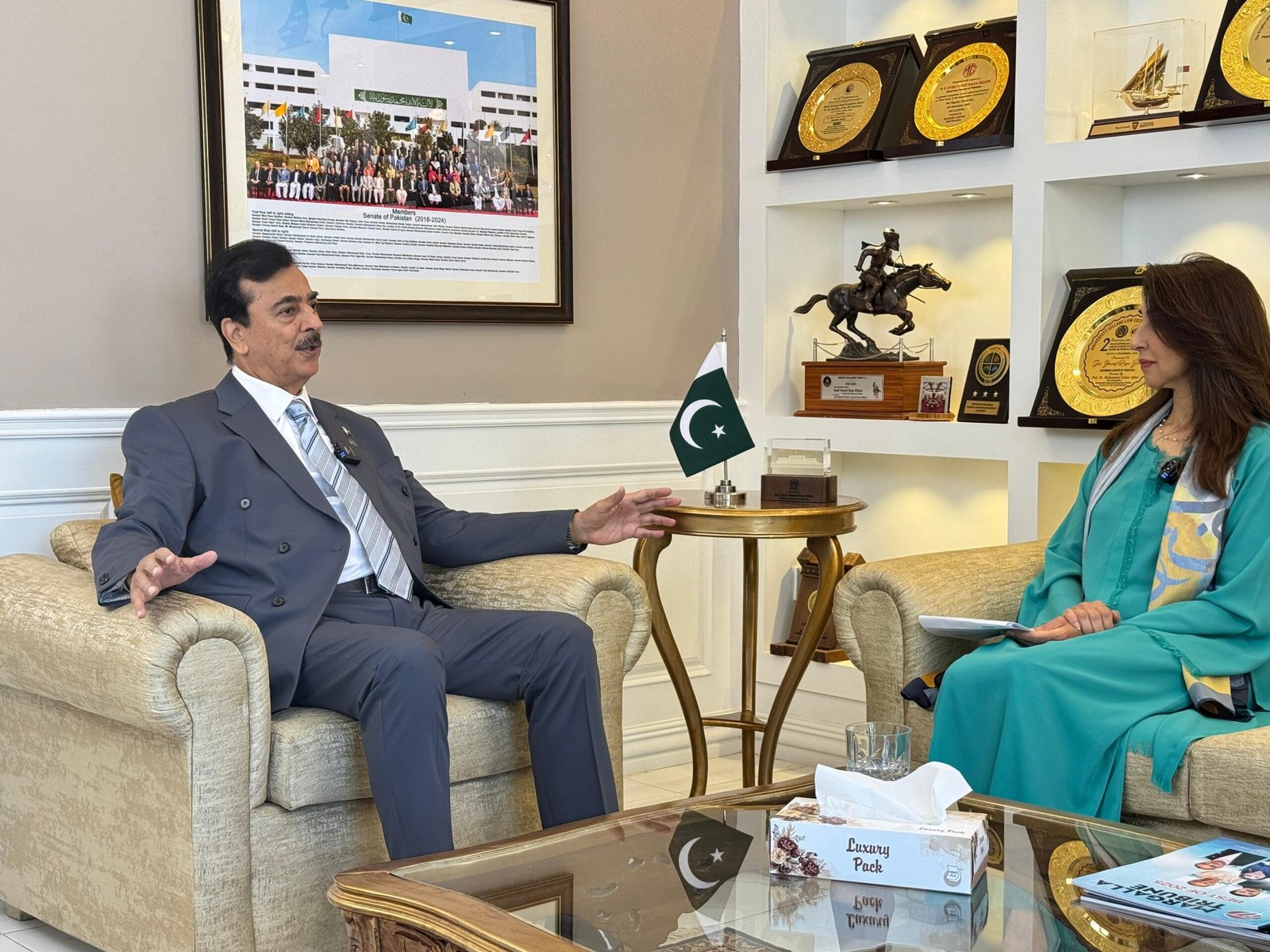
Few political figures in Pakistan have witnessed the country’s democratic evolution as closely as Yousaf Raza Gillani. From a political family with roots stretching back centuries to becoming Pakistan’s longest-serving prime minister and later Chairman of the Senate, Gillani’s career has traversed military rule, constitutional crises, imprisonment, and democratic restoration.
Speaking candidly about his years in prison, his belief in consensus politics, and the challenges facing the country today, he argues that despite political turbulence, democracy remains Pakistan’s only viable path forward.
“Democracy Must Deliver More Democracy.”
Syed Yousaf Raza Gillani
MT: Your family has been involved in politics for generations. How has that legacy shaped your political journey?
Syed Yousaf Raza Gillani: My family entered politics centuries ago, during the Mughal era. One of my ancestors, Sheikh Musa, served as the Governor of Multan under Emperor Shah Jahan and later Aurangzeb. From the early 20th century onward, members of my family consistently remained part of parliamentary politics in the subcontinent and later Pakistan.
My great-grandfather was known as the “Father of the Indian Assembly,” and many members of my family served in legislative bodies before and after Partition. My father was among the signatories of the 1940 Pakistan Resolution and later signed the 1956 Constitution of Pakistan.
However, during Ayub Khan’s era, many leaders who had participated in the Pakistan Movement were disqualified under the Elected Bodies Disqualification Order (EBDO).
My father’s political career effectively ended at a young age. That period shaped my understanding of how fragile democracy can be.
I formally entered politics in 1983 through local government elections and later became Chairman of the District Council Multan. From there, my parliamentary journey began.
MT: Your political career has seen many highs and lows, including imprisonment. How do you reflect on that phase today?
Syed Yousaf Raza Gillani: I was sent to jail for giving jobs to people. I spent nearly nine years in prison according to the jail manual. But politics teaches resilience.
When I returned, I contested elections again and eventually became Prime Minister of Pakistan. I remain the only unanimously elected prime minister in the country’s history, and also the longest-serving one.
Politics is ultimately about perseverance and public trust.
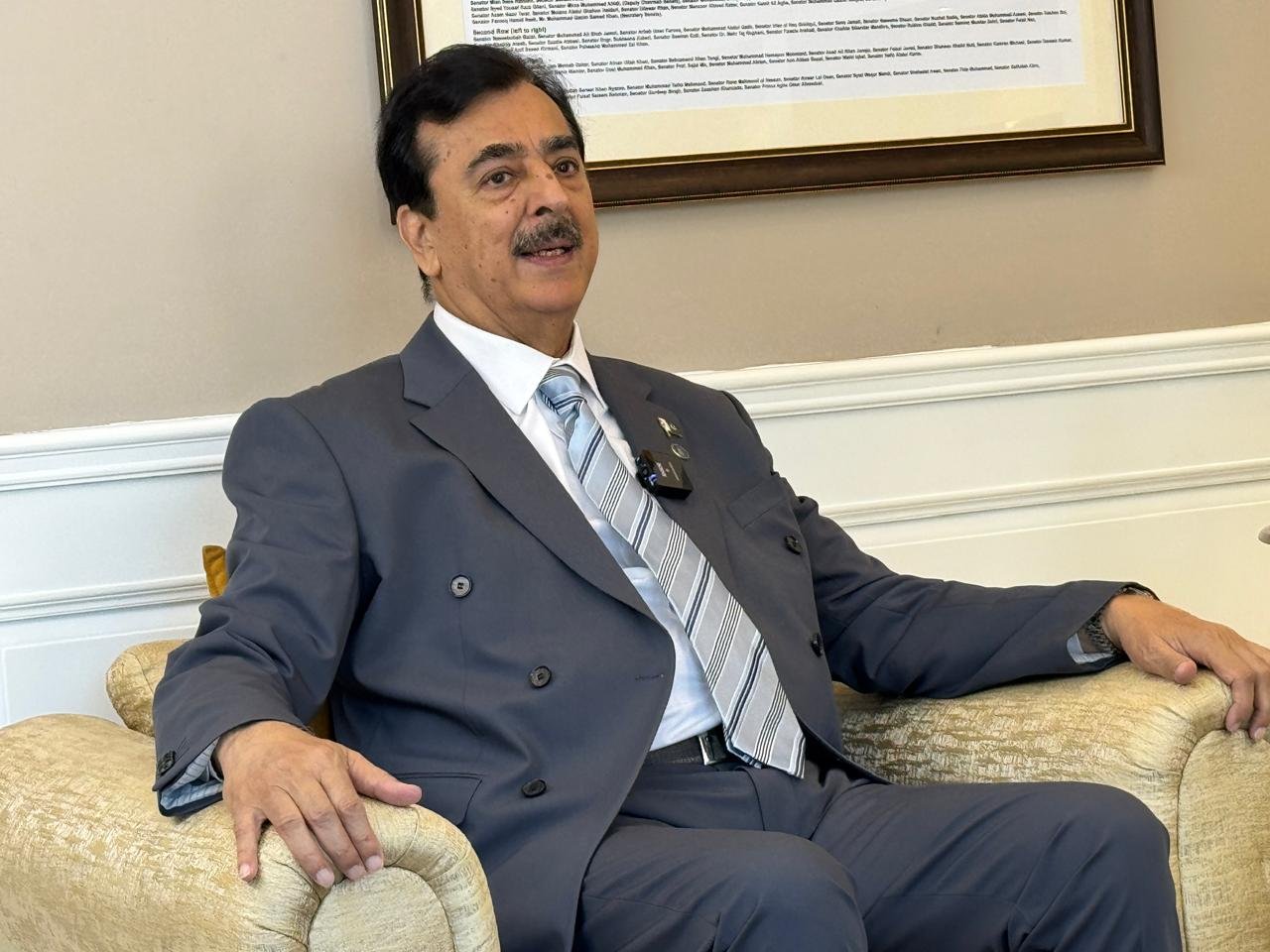
MT: You played a central role in the 18th Amendment. Why do you consider it so important?
Syed Yousaf Raza Gillani: The 18th Amendment restored the original spirit of the 1973 Constitution envisioned by Zulfikar Ali Bhutto. I always say this is among the greatest achievements of my political life. We made 104 constitutional amendments unanimously. Not a single member opposed them. That consensus mattered.
When the Constitution was first adopted in 1973, there were only 128 members after the separation of East Pakistan. But during the 18th Amendment process, there were 446 members in a bicameral parliament, and all voted in favour.
The amendment strengthened provincial autonomy and parliamentary democracy. Had such consensus existed earlier, perhaps the tragedy of East Pakistan might have been avoided.
MT: The debate around provincial autonomy and new provinces continues today. What is your position?
Syed Yousaf Raza Gillani: During my tenure, we initiated discussions on creating a South Punjab province. We followed constitutional procedures and formed a parliamentary commission led by Senator Farhatullah Babar. There was extensive consultation involving political parties, scholars, journalists, and civil society.
The Senate passed the proposal with a two-thirds majority. However, after my disqualification, the process could not move forward completely.
My position remains that if there is consensus within a province and among political stakeholders, new provinces can strengthen governance and representation.
MT: Looking back at your tenure as prime minister, what institutional contributions are you most proud of?
Syed Yousaf Raza Gillani: One thing I took very seriously was parliamentary accountability. Pakistan follows the Westminster model, which means the prime minister and cabinet are answerable to Parliament.
I made it a point to personally attend parliamentary sessions, especially Question Hour. When the prime minister is present, ministers also remain present, and that strengthens parliamentary culture. If a minister could not answer a question, I would respond myself. It also allowed me to assess ministerial performance and groom younger parliamentary secretaries for future leadership roles.
I believe strengthening parliamentary traditions is essential for democratic continuity.
We made 104 constitutional amendments unanimously. Not a single member opposed them. That consensus mattered.
MT: Critics often argue that democracy in Pakistan has failed to deliver economically. How do you respond?
Syed Yousaf Raza Gillani: If democracy appears weak, the answer is not less democracy, it is more democracy.
No political system becomes stronger by abandoning democratic principles. Parliament must continue functioning, debating, legislating, and representing the people.
We are also passing through a very difficult regional environment. Pakistan faces security challenges on multiple borders, yet the country continues to advocate peace and reconciliation internationally. Wars are not solutions; they only bring destruction and economic hardship.
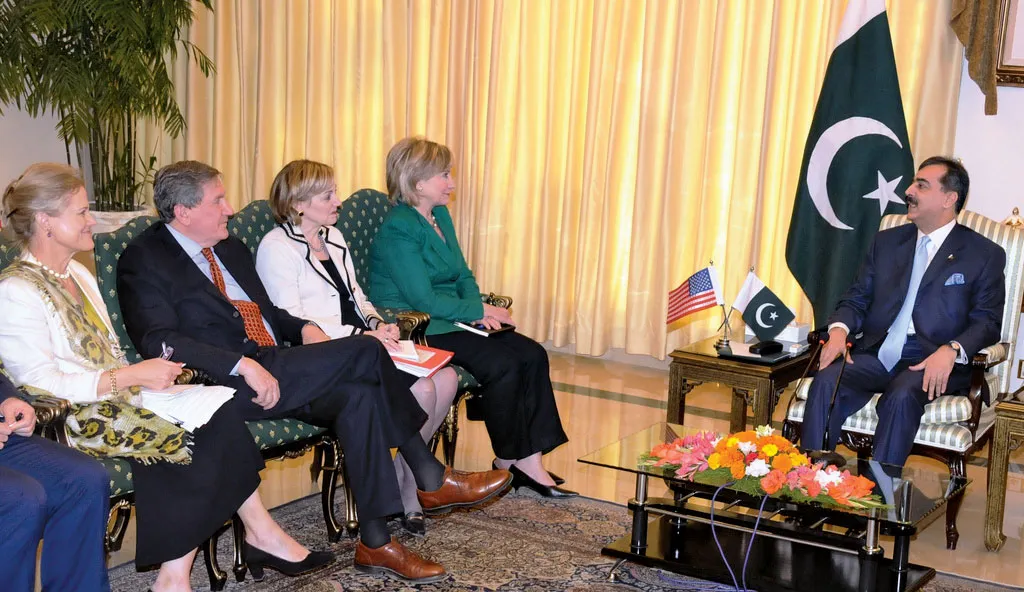
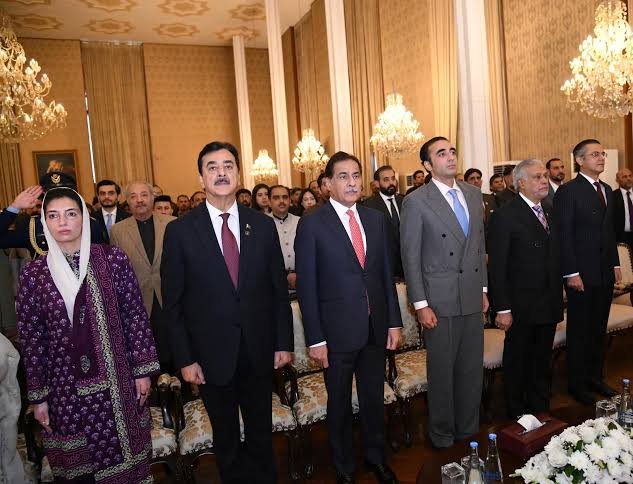
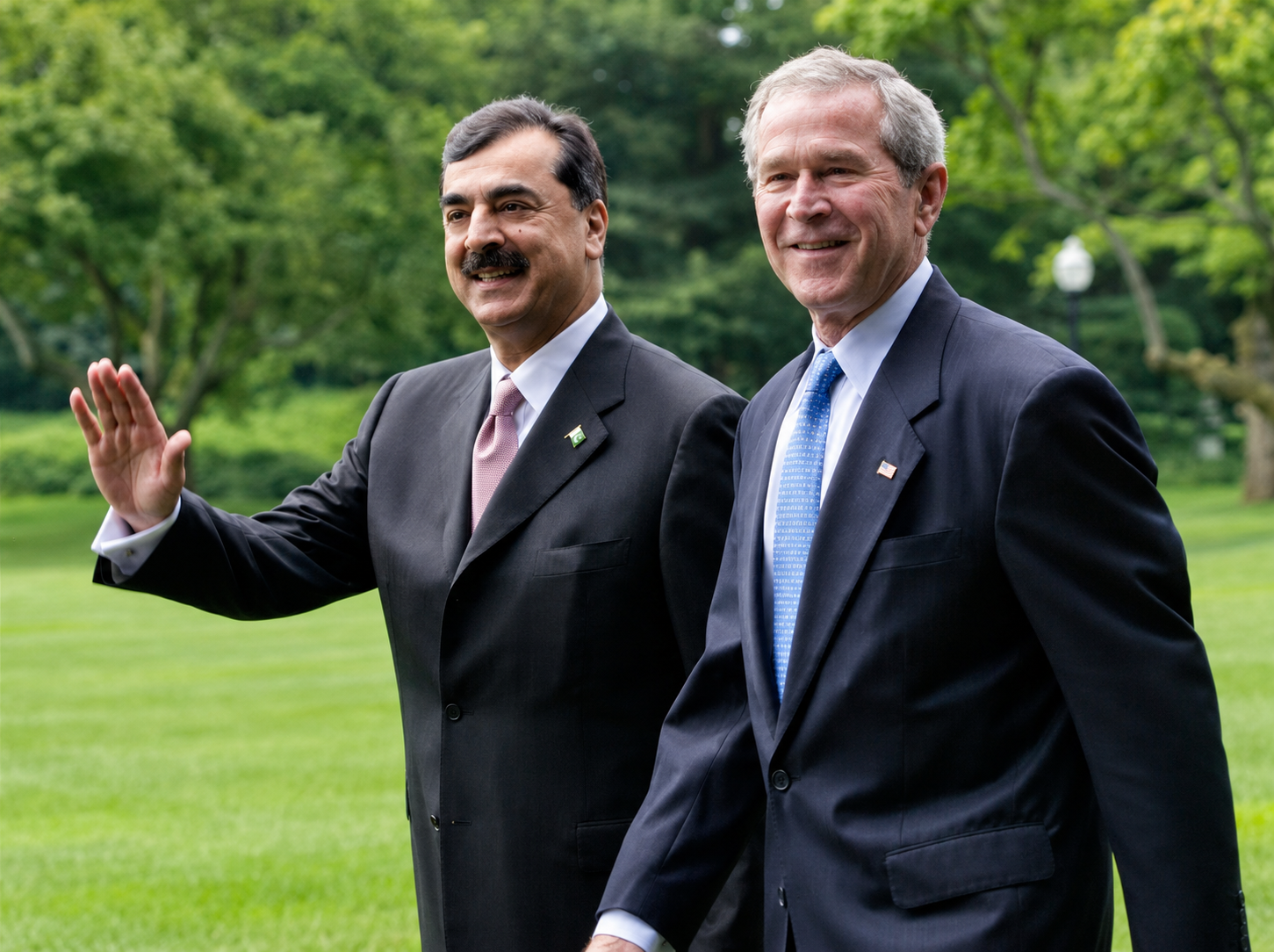
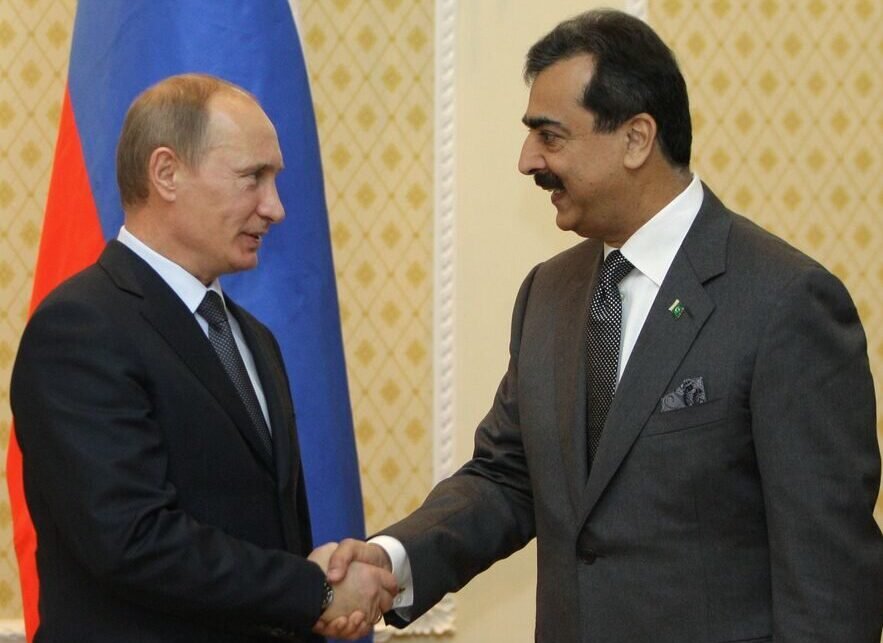
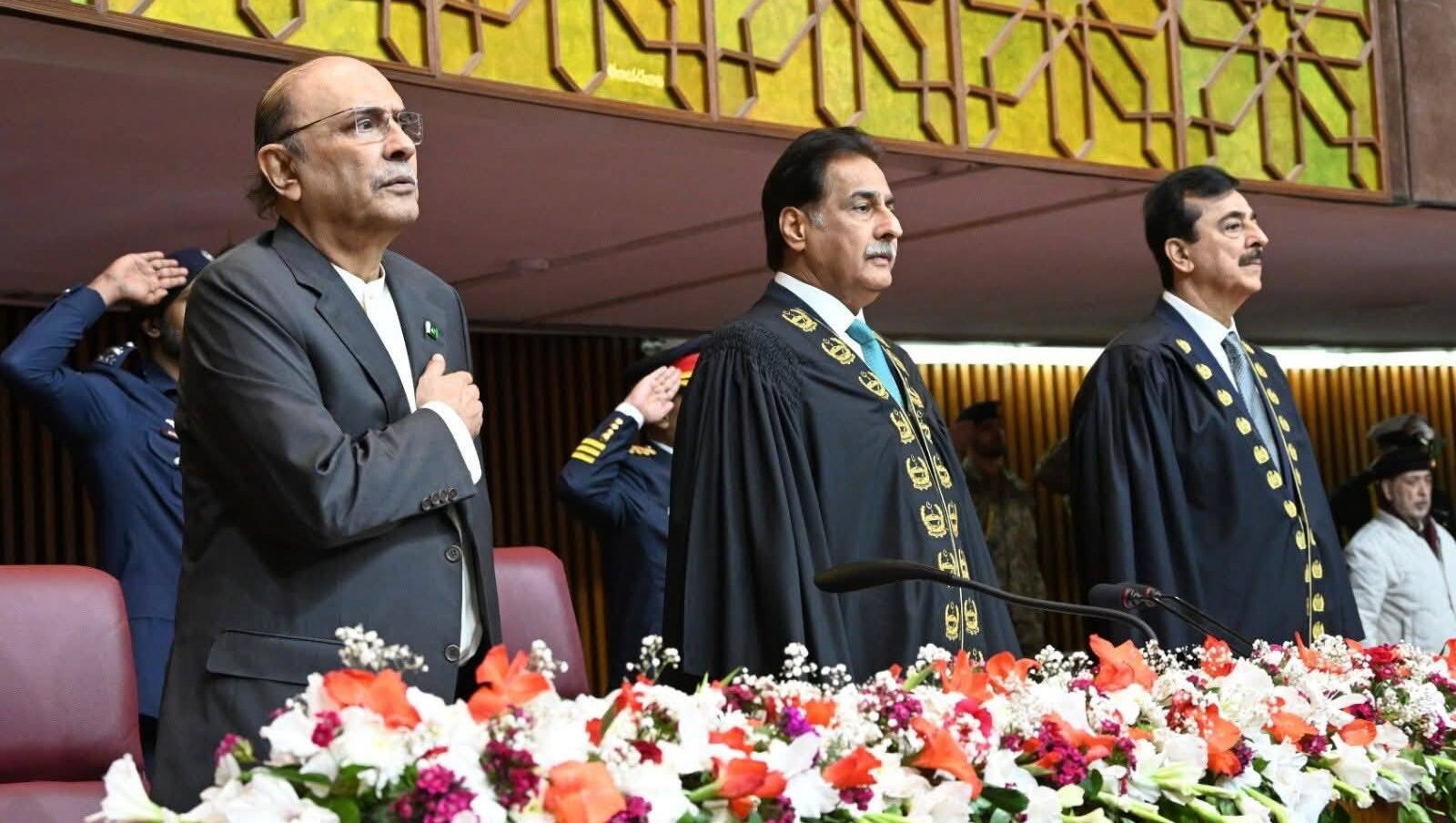
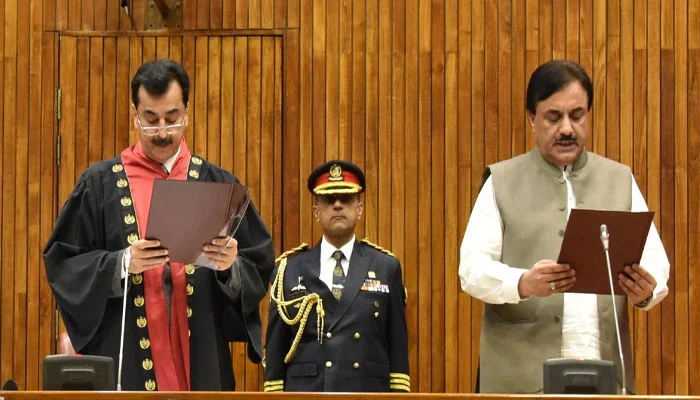
Pakistan faces security challenges on multiple borders, yet the country continues to advocate peace and reconciliation internationally. Wars are not solutions; they only bring destruction and economic hardship.
MT: Pakistan remains deeply polarised politically. Is reconciliation still possible?
Syed Yousaf Raza Gillani: Reconciliation is not only possible, it is necessary. The entire world is struggling with the consequences of conflict, inflation, and instability. People ultimately want peace, stability, and economic relief.
Pakistan’s political and institutional leadership must continue working toward dialogue and national cohesion. Peace and consensus politics are essential for stability.
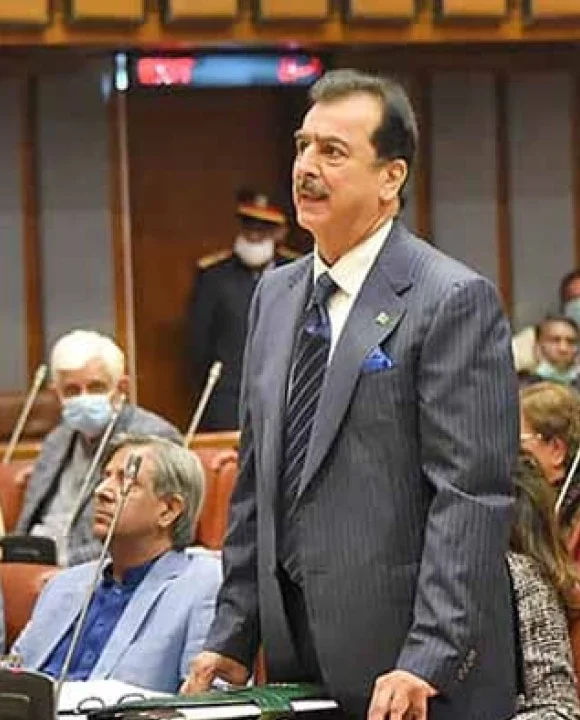
MT: Pakistan has one of the world’s youngest populations. Are enough opportunities being created for youth?
Syed Yousaf Raza Gillani: More than 60 percent of Pakistan’s population consists of young people. This is both a challenge and an opportunity. We need to equip them with skills, particularly in technology and vocational sectors.
Many young Pakistanis are already excelling in IT and freelancing. The state must create more opportunities domestically and internationally so that skilled youth can access employment and contribute positively to the economy.
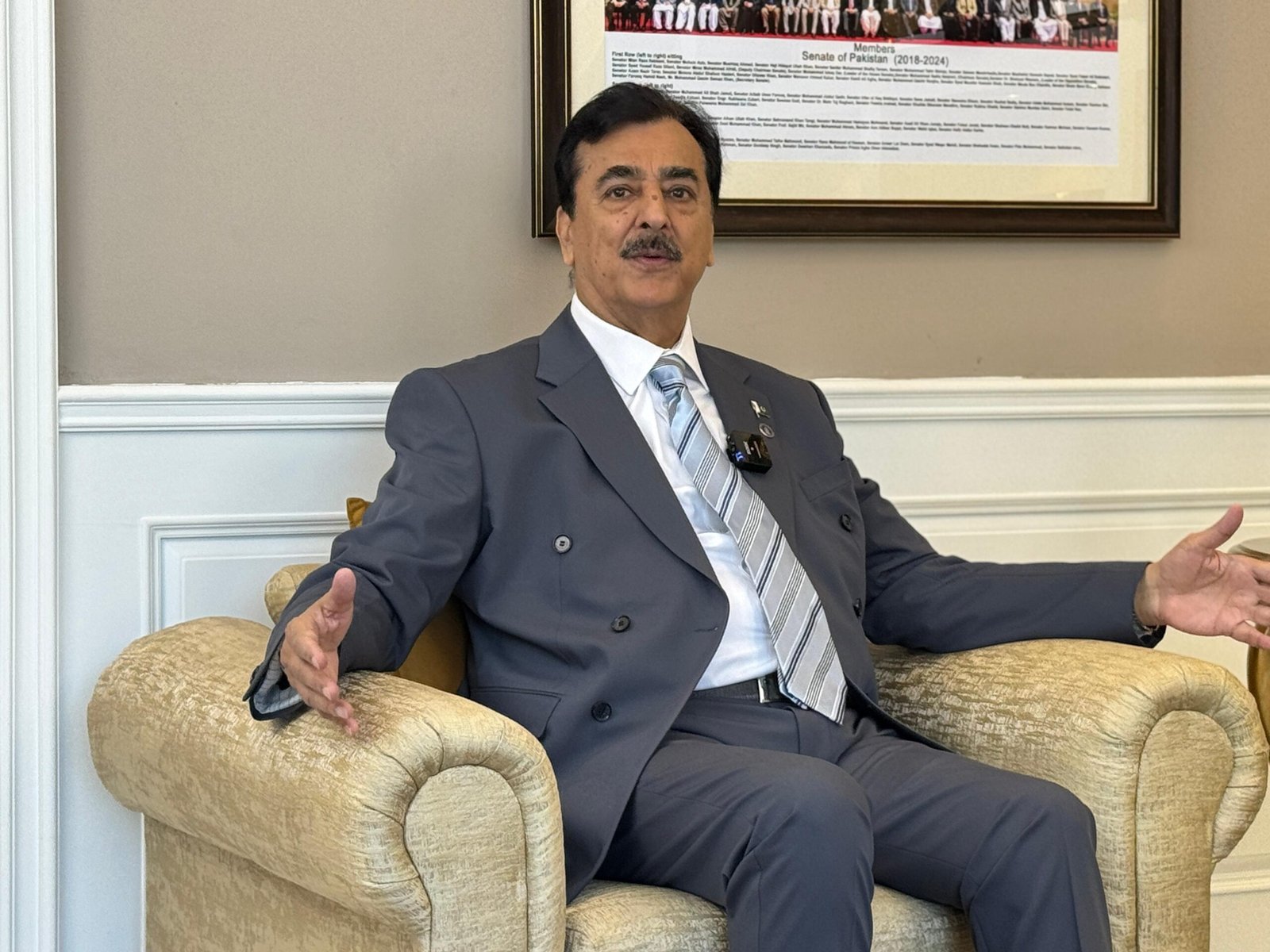
MT: Inclusion and minority representation remain major concerns in Pakistan. How do you see the issue?
Syed Yousaf Raza Gillani: Minorities were very close to the heart of Muhammad Ali Jinnah. Even the white portion of Pakistan’s flag represents minorities. As prime minister, my motto was always: women and minorities are my constituency.
We introduced constitutional amendments to improve minority representation in the Senate and Parliament. During my tenure, we also established the Women’s Caucus in the National Assembly, and more recently, the Minorities Caucus in the Senate. There is still more work to do, but Parliament has made important legislative efforts toward inclusion and representation.
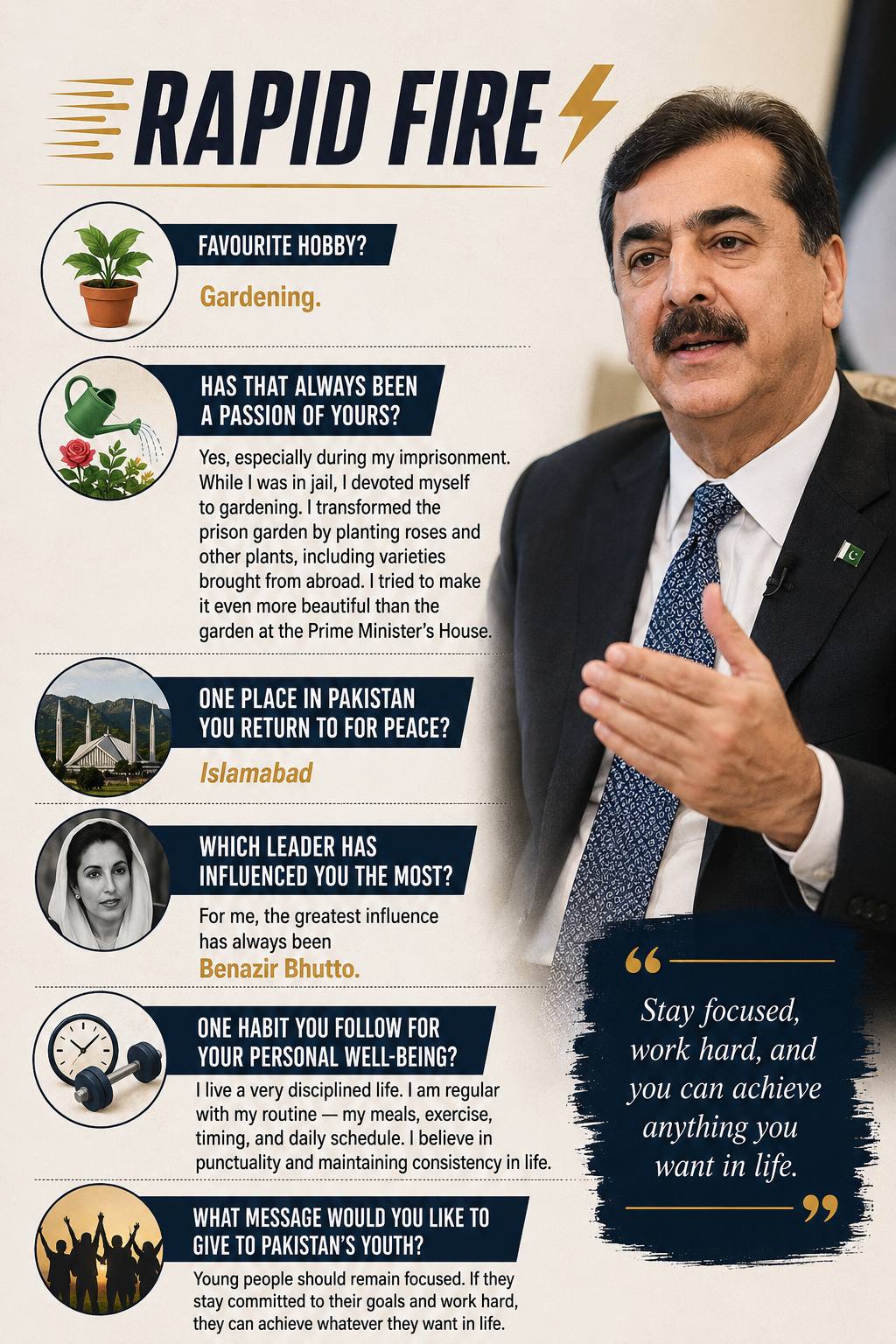
MT: Pakistan continues to rank poorly on global gender indicators despite having prominent female political leaders. Why do you think that gap persists?
Syed Yousaf Raza Gillani: We have always given importance to women because my own leader was a woman. Benazir Bhutto made a huge mark internationally as the first Muslim female prime minister at the age of 35. She sent a very strong and positive message to the world.
The Pakistan Peoples Party has consistently believed in women’s empowerment. During my tenure as prime minister, my daughter Faiza served as a goodwill ambassador for women’s empowerment initiatives.
We also ensured women were given leadership positions in governance. We appointed female deputy speakers, female governors, women ministers, and women judges during our tenure. We introduced incentives and protections for women facing distress or crisis situations, and worked toward creating more supportive institutional spaces for them, including legal mechanisms for women seeking justice.
However, I believe there is often a perception abroad that does not fully reflect the ground realities in Pakistan. There is still much more work to be done, but progress has also been made in important areas.
MT: After decades in politics, what continues to motivate you?
Syed Yousaf Raza Gillani: Public service and democratic continuity.
Pakistan has gone through many difficult phases, but democratic institutions have survived because people continue to believe in representative governance. My belief remains that dialogue, parliamentary supremacy, inclusion, and constitutionalism are the only sustainable path forward for Pakistan.