




Pakistan’s Urgent Need for Energy Discipline
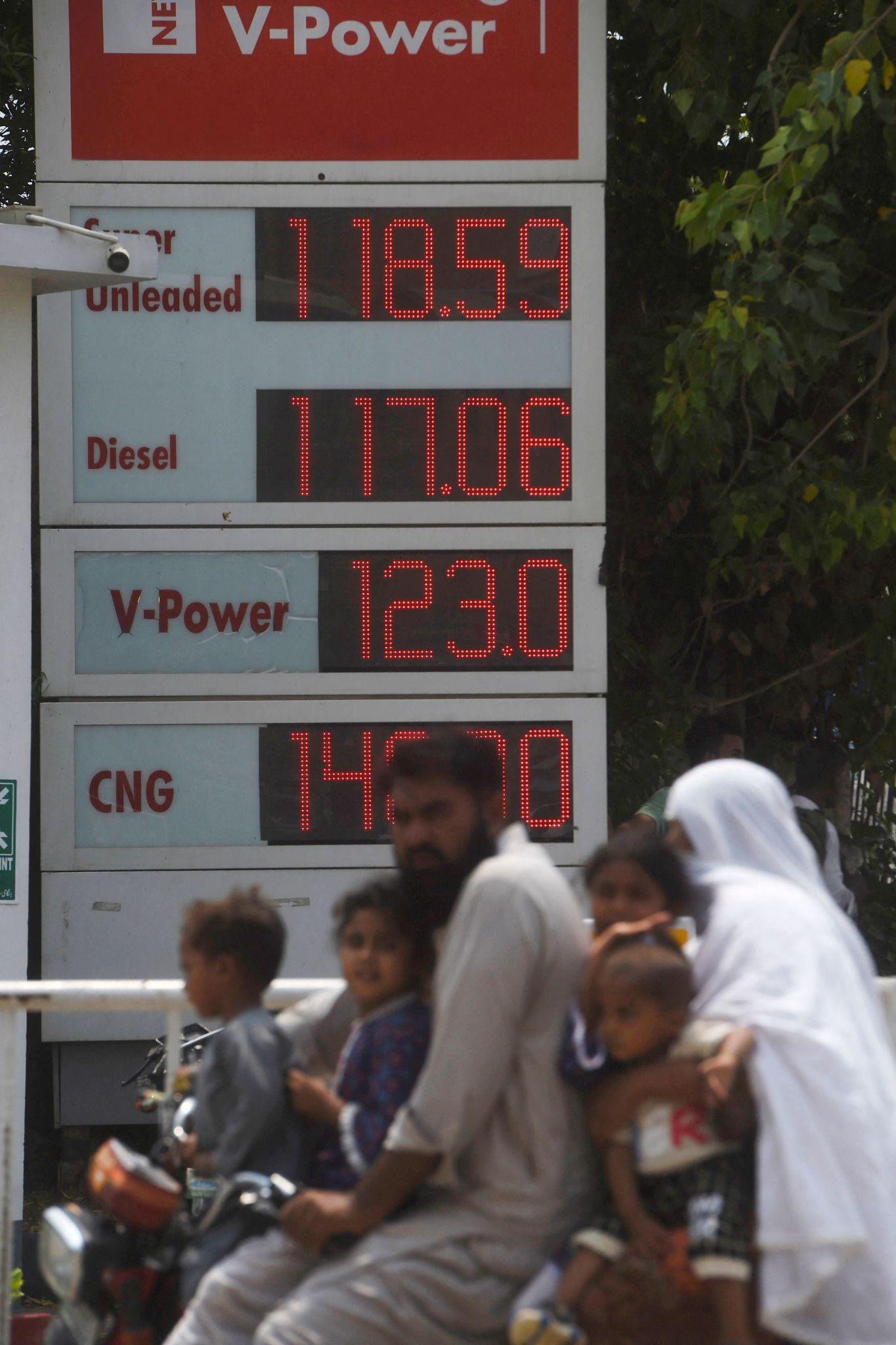
As tensions between the United States and Iran continue to disrupt global oil flows, Pakistan faces a stark and unavoidable reality regarding energy waste. Rising fuel prices, vulnerable supply chains, and geopolitical uncertainty have exposed the fragility of our energy dependence. Such a moment requires transforming behavior. Pakistan must adopt a culture of permanent energy discipline, led from the very top.
At the heart of this transformation lies a very powerful principle: leadership must set the example. For decades, energy conservation in Pakistan has been treated as a temporary response to crises, short-lived campaigns that fade as soon as pressure eases. This approach is no longer sustainable. If the country is to navigate recurring global shocks, conservation must become a permanent national ethic.
Reforming Government Consumption
The first and most visible step is reforming government behavior. At a time when ordinary citizens struggle to afford fuel, the continued display of large official motorcades, unnecessary travel, and fuel-intensive protocols sends the wrong message. Ending excessive government movement, limiting security convoys to essential operations, and replacing physical meetings with virtual ones could save significant fuel while establishing moral credibility. When leaders voluntarily reduce their own consumption, it creates a ripple effect across society.
Making Energy Pricing Fair and Accountable
However, symbolic gestures alone are not enough. Structural reforms must reinforce this shift. One critical measure is the introduction of heavy luxury taxes and fuel surcharges on high-consumption vehicles such as SUVs. Energy pricing must reflect responsibility. Those who choose energy-intensive lifestyles should bear a proportionately higher financial burden. This is not merely a fiscal decision; it is a signal that wasteful consumption will no longer be subsidized by the broader public.
Equally important is the need for institutional competence. Pakistan’s energy efficiency agenda must be led by technically qualified professionals with the authority to implement long-term strategies. Too often, energy policy is shaped by short-term political considerations rather than data-driven planning. Appointing experienced experts to lead energy efficiency departments would ensure continuity, accountability, and measurable outcomes.
Energy policy is shaped by short-term political considerations rather than data-driven planning.
Embedding Efficiency into Everyday Life
Beyond governance, the country must embed efficiency into its economic and social fabric. This includes a permanent shift toward energy-efficient buildings, appliances, and transport systems. Work-from-home policies, where feasible, should be institutionalized rather than treated as temporary crisis measures. Reducing daily commuting can significantly cut fuel consumption, ease urban congestion, and improve productivity.
At the same time, Pakistan must accelerate its transition toward renewable energy, particularly solar power. With abundant sunlight throughout the year, the country has a natural advantage that remains underutilized. Expanding solar adoption at both household and industrial levels can reduce dependence on imported fuel and shield the economy from external shocks.