


Why the Indus Waters Treaty Must Be Reimagined Through the Climate Security Lens
Beyond the Seminar: A New Climate Reality
The recently concluded International Seminar on the Indus Waters Treaty in Islamabad arrived at an important moment in South Asia’s history. Diplomats, legal experts, policymakers and international scholars gathered to deliberate on one of the world’s most enduring transbou-ndary water agreements. Discussions centred on treaty obligations, international law, regional peace and the imperative of dialogue.
These discussions highlighted a larger reality: the strategic context within which the Indus Waters Treaty operates has fundamentally changed. When the Treaty was signed in 1960, climate change was not yet part of international policy discourse. Hydrological systems were generally assumed to remain stable, Glaciers and seasonal snow were generally treated as relatively dependable compo-nents of the basin’s hydrological system.
The Treaty Has Become a Climate Security Treaty
The Indus Waters Treaty is still widely described as a water-sharing agreement. That description, while histo-rically accurate, is no longer sufficient. Today, the Treaty sits at the intersection of water security, food security, energy security, environmental sustainability, disaster resilience and regional peace.
Its significance extends well beyond river allocation. The Indus Basin supports hundreds of millions of people, sustains Pakistan’s agricultural economy, underpins hydro-power generation and contributes directly to livelihoods, ecosystems and national resilience. The World Bank describes Pakistan’s Indus Basin Irrigation System as the world’s largest contiguous irrigation network. Its vast network of barrages and canals supports millions of hec-tares of farmland and remains central to Pakistan’s food and water security. Any prolonged disruption whether arising from political tensions, climatic extremes or hydro-logical uncertainty would have cascading consequences across multiple sectors.
The Treaty should increasingly be understood not only as a water-sharing agreement, but also as one of South Asia’s most important climate-security instruments.
Scientific evidence accumulated over recent decades paints a very different picture. The Intergovernmental Panel on Climate Change has documented widespread changes in precipitation, weather extremes, glaciers and snow cover. The central question before policymakers is therefore no longer simply how water should be shared.It is how shared rivers should be governed in an age of climate uncertainty.
A Treaty Negotiated for Yesterday’s Climate
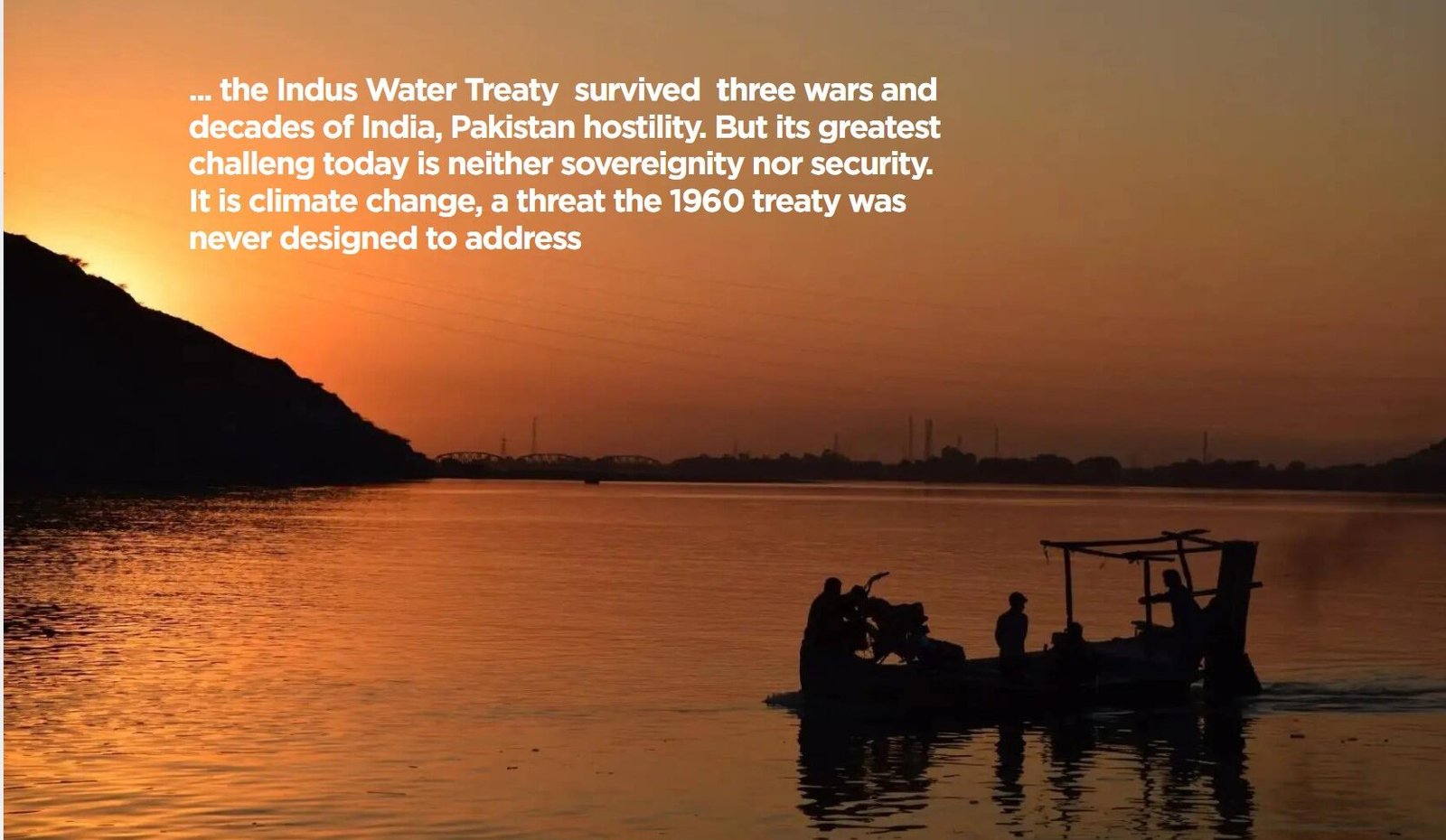
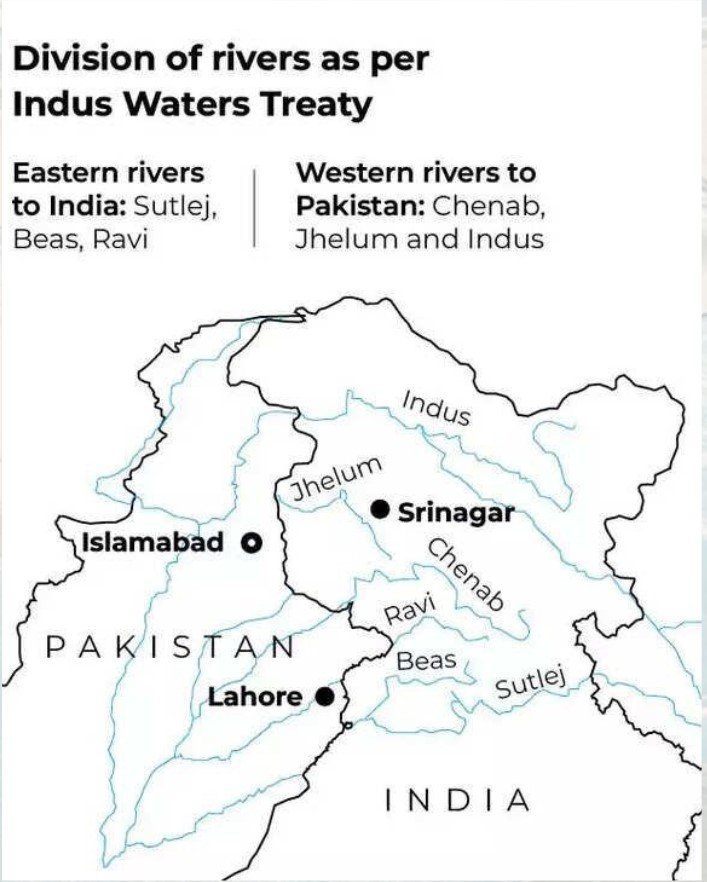
The Indus Waters Treaty has rightly been celebrated as one of the most durable examples of international water diplomacy. For more than six decades it has survived wars, political crises and prolonged periods of bilateral tension. Its endurance demonstrates that even in difficult political environments, institutions founded upon rules and mutual obligations can contribute to regional stability.
However, the Treaty emerged within a very different environmental reality. The Treaty was negotiated before anthropogenic climate change had become a central consideration in international policy and long-term water planning. The Treaty’s designers could not reasonably have anticipated the profound environmental transforma-tions now unfolding across the Himalaya–Karakoram–Hindu Kush region.
Today we are managing twenty-first-century climate realities through a twentieth-century institutional frame-work making the Treaty more important than ever.
Climate Has Rewritten the Hydrology of South Asia
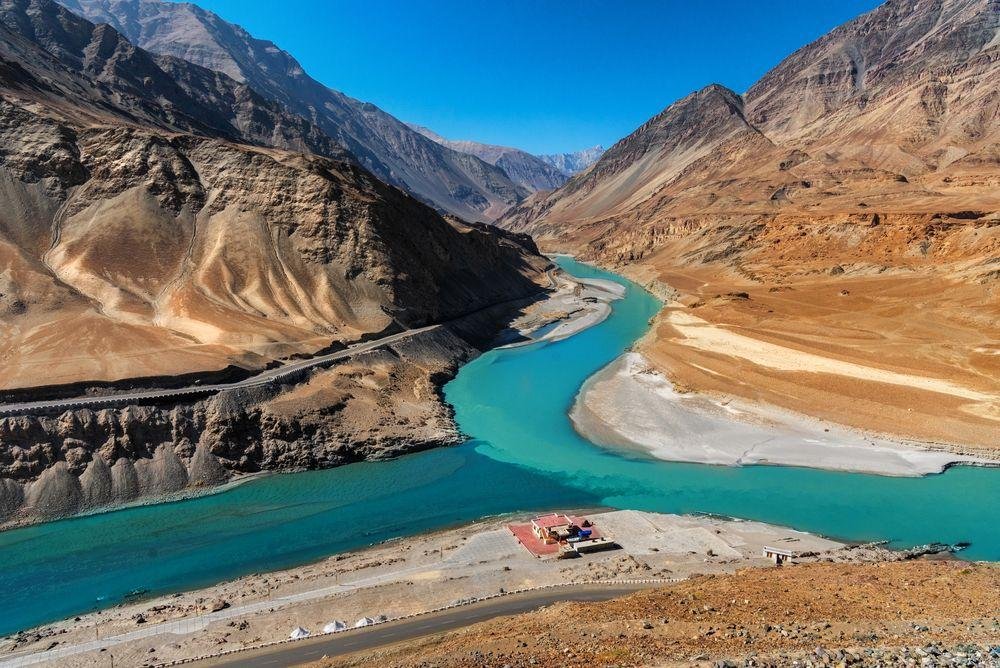
The Indus Basin derives much of its water from one of the world’s most significant mountain systems the Himalaya, Karakoram and Hindu Kush. For generations, these glaciers, snowfields and seasonal river systems have sustained agriculture, ecosystems, hydropower and human settlements across the region.
The Hindu Kush Himalaya is often described as the “Water Tower of Asia” because its glaciers, snow and rainfall sustain some of the continent’s largest river systems. ICIMOD’s 2023 assessment warns that the region’s cryosphere is changing rapidly, with serious implications for the timing and reliability of water flows, ecosystems and communities across downstream basins. Climate change is reshaping this hydrological foundation through changing glaciers, snowmelt dynamics and increasingly erratic rainfall. The defining challenge is no longer scarcity alone, but increasing unpredictability. Scarcity can at least be measured and planned for.

For governments, farmers, planners and communities alike, uncertainty complicates investment decisions, agricultural planning, disaster preparedness, hydropower generation and infrastructure development. Climate change is therefore transforming hydrological uncertainty into a strategic challenge.
Climate Has Rewritten the Hydrology of South Asia
The Indus Basin derives much of its water from one of the world’s most significant mountain systems the Himalaya, Karakoram and Hindu Kush. For generations, these gla-ciers, snowfields and seasonal river systems have sustain-ed agriculture, ecosystems, hydropower and human sett-lements across the region.
The Hindu Kush Himalaya is often described as the “Water Tower of Asia” because its glaciers, snow and rainfall sus-tain some of the continent’s largest river systems. ICIMOD’s 2023 assessment warns that the region’s cryo-sphere is changing rapidly, with serious implications for the timing and reliability of water flows, ecosystems and communities across downstream basins. Climate change is reshaping this hydrological foundation through chang-ing glaciers, snowmelt dynamics and increasingly erratic rainfall. The defining challenge is no longer scarcity alone, but increasing unpredictability.
Scarcity can at least be measured and planned for. Uncer-tainty is far more difficult to govern. For governments, farmers, planners and communities alike, uncertainty com-plicates investment decisions, agricultural planning, disas-ter preparedness, hydropower generation and infrastruc-ture development. Climate change is therefore transform-ing hydrological uncertainty into a strategic challenge.
The Treaty Has Become a Climate Security Treaty
The Indus Waters Treaty is still widely described as a water-sharing agreement. That description, while histor-ically accurate, is no longer sufficient. Today, the Treaty sits at the intersection of water security, food security, energy security, environmental sustainability, disaster resilience and regional peace.
Its significance extends well beyond river allocation. The Indus Basin supports hundreds of millions of people, sus-tains Pakistan’s agricultural economy, underpins hydro-power generation and contributes directly to livelihoods, ecosystems and national resilience. The World Bank describes Pakistan’s Indus Basin Irrigation System as the world’s largest contiguous irrigation network. Its vast network of barrages and canals supports millions of hec-tares of farmland and remains central to Pakistan’s food and water security. Any prolonged disruption whether arising from political tensions, climatic extremes or hydro-logical uncertainty would have cascading consequences across multiple sectors.
The Treaty should increasingly be understood not only as a water-sharing agreement, but also as one of South Asia’s most important climate-security instruments.
“The future of the Indus Basin will depend not only on how we share water but on how well we understand a changing climate.”
Viewing the Treaty Through a Climate Security Lens
The time has come to view the Indus Waters Treaty through a broader strategic framework, a Climate Security Lens. Such a perspective recognises that water can no longer be understood in isolation. It sits at the intersection of five mutually reinforcing dimensions:
- International Law, which provides the rules governing shared rivers.
- Climate Science, which explains how changing temperatures and precipitation are altering hydrology.
- Water Security, which determines the reliability of supplies for people, agriculture and industry.
- Human Security, which reflects the effects of water availability on livelihoods, health, migration and social stability.
- Regional Peace, which depends upon cooperation rather than confrontation over shared resources.
Only by considering all five dimensions together can policymakers fully appreciate the Treaty’s contemporary significance.
Five Strategic Imperatives for Climate-Secure Water Governance
The changing climate demands that water governance evolve beyond traditional treaty implementation. The following priorities should guide regional cooperation and national policy.
1. Build Climate Intelligence into Water Governance
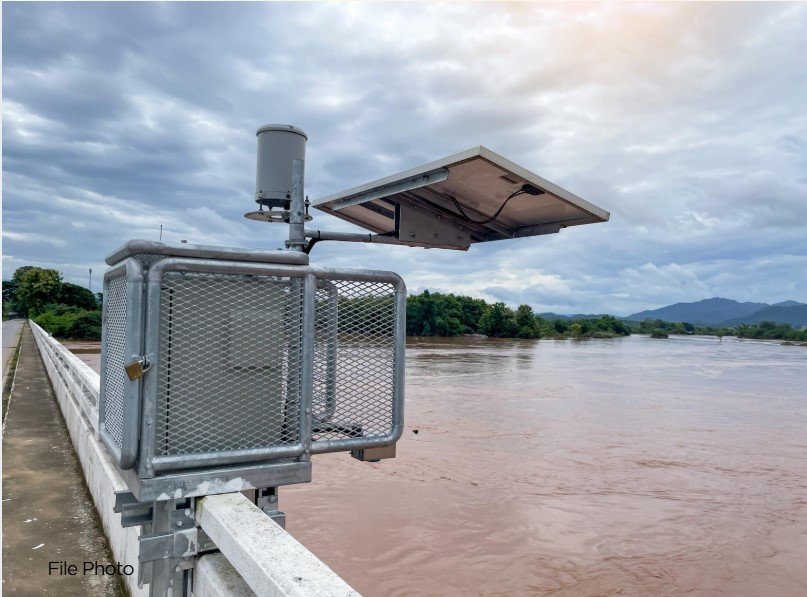
Develop integrated systems for glacier monitoring, satellite observation, hydrological forecasting, real-time river monitoring and climate risk assessment to improve decision-making under increasing uncertainty.
2. Strengthen Cooperative Basin Management
Promote scientific collaboration, transparent data sharing, institutional dialogue and confidence-building measures so that shared rivers remain platforms for cooperation rather than sources of tension.
3. Invest in Water Resilience
Improve irrigation efficiency, expand water storage, restore watersheds, recharge groundwater, modernize infrastructure and reduce water losses across the basin.
4.Integrate Climate Science into Treaty Implementation
Without disturbing the Treaty’s legal foundations, its implementation should make fuller use of climate science, changing hydrological evidence, disaster preparedness and adaptive water-management approaches.
5. Place People at the Centre of Water Security
Recognize that water governance ultimately protects livelihoods, agriculture, food security, public health, ecosystems and regional peace. Human security should remain the ultimate objective of every water policy.
Towards Climate-Informed Water Diplomacy
If climate change has transformed the challenge, diplomacy must evolve accordingly. The next generation of water diplomacy should integrate legal frameworks with climate science, hydrological forecasting, glacier monitoring, satellite observation, environmental intelligence and adaptive governance. This is what may be called Climate-Informed Water Diplomacy.
The United Nations increasingly treats climate change as a risk multiplier: it may not by itself cause conflict, but it can intensify water insecurity, displacement, livelihood loss and existing political or social tensions. Real-time hydro-logical monitoring, transparent data sharing, collaborative research, early warning systems and climate intelligence should become essential components of transboundary river governance. In the twenty-first century, climate intelligence may become almost as strategically important as water itself.
While international legal processes remain essential, Pakistan’s long-term water security will also depend upon the strength of its domestic institutions. Improving irrigation efficiency, restoring watersheds, protecting groundwater, enhancing water storage, reducing transmission losses, modernising flood management and investing in climate intelligence are all national imperatives. Internal resilience strengthens external diplomacy; no treaty can substitute for sound national water governance.
…no treaty can substitute for sound national water governance.
Corridors of Cooperation
History demonstrates that rivers have the capacity either to connect societies or divide them. The choice rests not with geography, but with governance. As climate uncertainty increases, cooperation becomes more not less important. Shared rivers should become corridors of cooperation rather than fault lines of conflict. Scientific collaboration, institutional dialogue, transparency and mutual respect remain the strongest foundations upon which lasting peace can be built.
The Future Demands a New Equation
The International Seminar in Islamabad reaffirmed the continuing importance of the Indus Waters Treaty. Its greatest contribution, however, may be that it encouraged us to think beyond the legal text and confront a deeper strategic reality.
Climate change has rewritten the hydrology of South Asia, reshaping the assumptions upon which water governance has long depended. The future of the Indus Basin will therefore depend not only upon how nations share water, but upon how they understand a changing climate, anticipate uncertainty and strengthen institutions capable of managing it. The Treaty was negotiated for a different climate.
Its future success will depend upon our ability to govern for a different world. Because the greatest challenge before us is no longer simply water scarcity. It is climatic uncertainty. And that is why climate change has changed the equation.
This article draws upon contemporary research on climate science, mountain hydrology, transboundary water governance and climate security. The views expressed are those of the author. The writer can be reached at: khalidsa02@gmail.com