



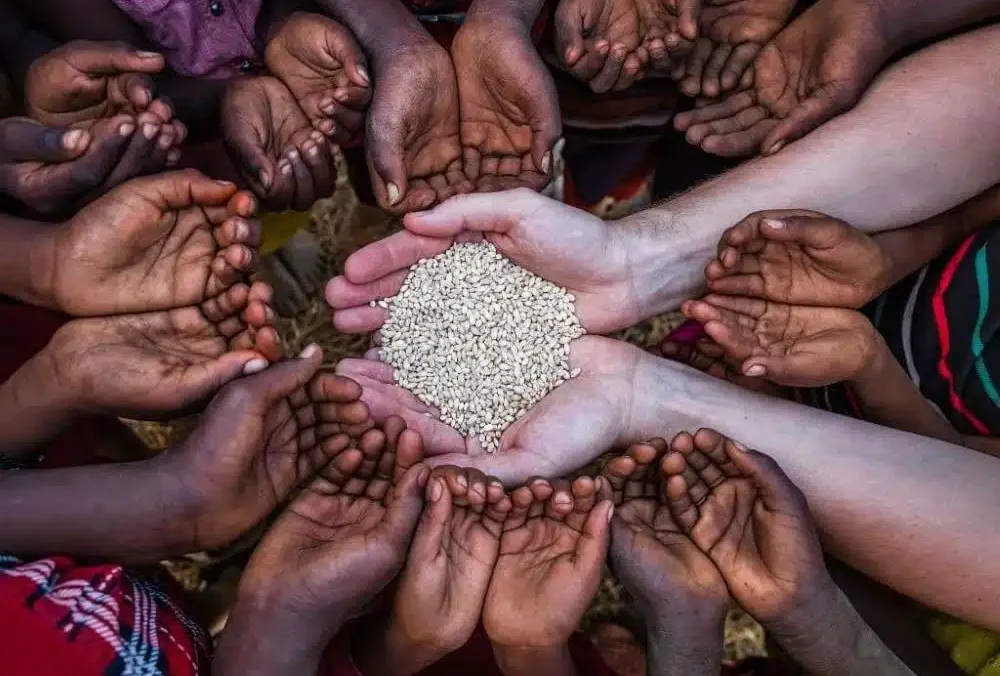
War is Rewiring Global Food Security
The intensifying conflict between the United States, Israel and Iran is not just a geopolitical crisis; it is creating a cascading disruption in global food security. Agricultural productivity is under threat, food prices are climbing and farmers worldwide face unprecedented challenges. While public attention has focused on oil markets and military developments, a more consequential but less visible crisis is emerging: a systemic shock to the inputs that sustain global agriculture.
At the heart of this emerging crisis is the intricate connection between global trade chokepoints, energy markets and fertilizer supply chains. Analysts warn that disruptions at strategic maritime corridors, especially the Strait of Hormuz, are reverberating through fertilizer supply chains, leading to rising costs and reduced availability for farmers worldwide.
Fertilizer is the Backbone of Agricultural Productivity
Food security does not start in the field, it starts with agricultural inputs. Fertilizers, particularly nitrogen-based products like urea and ammonia, are central to modern farming. Research shows that chemical fertilizers contribute 30-50% of global crop yields, particularly for staple grains that feed billions.
Fertilizer production is heavily reliant on energy markets, especially natural gas and LNG, which serve as the primary feedstock in the Haber–Bosch process that produces nitrogen fertilizers. When energy prices spike or supply chains falter, fertilizer costs rise quickly, triggering ripple effects throughout global food systems.
Because farmers make planting decisions months in advance, disruptions in energy or fertilizer supply translate into food supply shocks long before crops reach the market.
The Strait of Hormuz Becomes a Chokepoint
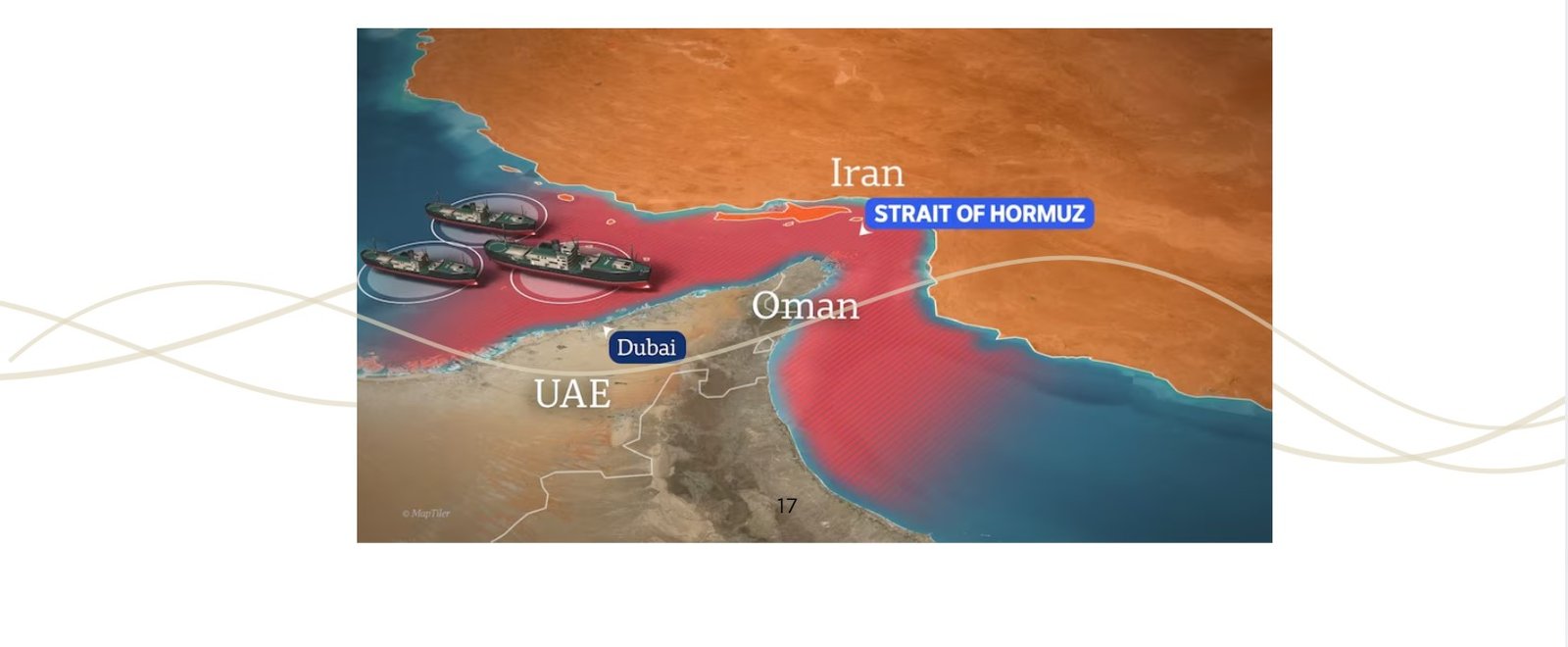
The Strait of Hormuz, an 80-kilometer waterway between Iran and Oman, is one of the world’s most critical maritime corridors. It handles about one-quarter of global oil trade and substantial volumes of LNG and fertilizer exports.
Its importance to global agriculture is often underestimated:
Persian Gulf countries are major exporters of fertilizers and fertilizer feedstocks.
Natural gas from the Gulf powers plants that produce ammonia, urea and other nitrogen fertilizers.
Disruption here chokes not only energy flows but also global fertilizer supply chains, affecting markets from South Asia to Africa.
Recent military escalations have effectively restricted shipping through the Strait, tightening trade in oil, LNG and fertilizer shipments, according to multiple news organizations and analysts.
War’s Impact on Fertilizer Supply
The United States–Iran conflict has already triggered immediate and tangible disruptions to global fertilizer logistics, exposing the fragility of supply chains that underpin food production systems. A major pressure point lies in shipping bottlenecks, as a significant share of global urea and ammonia exports typically transit through the Strait of Hormuz.
Escalating military tensions have slowed, and in some cases halted, these critical routes, leading to a contraction in available supply on international markets. At the same time, production constraints are compounding the crisis.
Fertilizer manufacturing in the Gulf is heavily dependent on access to low-cost natural gas; however, rising gas prices and restricted LNG flows have driven up production costs, while ongoing transport disruptions delay deliveries.
These combined pressures have translated rapidly into price volatility, with global fertilizer prices surging by an estimated 30–50% in recent weeks, according to U.N. agencies and commodity analysts. The market response reflects not only immediate supply shortages but also heightened uncertainty, as traders factor in prolonged instability and the risk of further escalation.
Storm at Planting Season
The timing of this disruption could not be worse. Across the Northern Hemisphere, spring planting season is underway. Farmers rely on fertilizers at this stage to ensure optimal crop yields. Delays or shortages mean smaller harvests and reduced food availability later in the year.
Economists warn that farmers now face few options: pay higher prices, apply less fertilizer (risking yield declines), or switch to less nutrient-intensive crops-all of which threaten food production and global food security.
Disruption to Food Prices
Disruptions in fertilizer supply chains trigger a cascading chain reaction that ultimately drives up food prices. It begins with supply constraints and price inflation in fertilizer and energy markets, making essential inputs more expensive and less accessible. In response, farmers often reduce fertilizer application due to rising costs or limited availability, which directly impacts soil fertility and crop health. This leads to lower agricultural productivity, as nutrient deficiencies prevent crops from reaching optimal yields. As a result, harvests become smaller and food availability tightens across markets.
The imbalance between supply and demand then pushes food prices higher, intensifying food insecurity, particularly in import-dependent countries that are more vulnerable to global supply shocks. Historical research consistently shows that such disruptions in fertilizer supply can translate into consumer food price spikes within a matter of months to a year, underscoring the rapid and far-reaching consequences of these disruptions.
Who Will Be Most Affected?
The greatest impact will fall on low-income, fertilizer-importing countries. South Asia, Sub-Saharan Africa and parts of the Middle East lack significant domestic fertilizer production. In countries like Pakistan, Bangladesh, Somalia and Kenya, even modest increases in input costs directly drive higher food prices and worsen food insecurity.
Even in wealthier regions, such as the United States and Europe, farmers report rising production costs, which are expected to pass through to grocery shelves.
Vulnerabilities in Global Food System
This crisis exposes a critical vulnerability:
global food security is tightly linked to energy markets and geopolitical stability. Energy is a primary input for fertilizer production;
fertilizer is a primary cost driver in agriculture. Any disruption in energy or fertilizer markets quickly propagates to food prices and availability.
Agricultural outlook reports highlight the interconnectedness of energy, fertilizer and food systems, underscoring how geopolitical conflicts can amplify vulnerabilities in global agriculture.
Mitigation Strategies
Policy responses and mitigation strategies can play a crucial role in easing the impact of fertilizer supply disruptions, although their effectiveness depends on timely coordination and long-term planning. One key approach is the diversification of fertilizer supply chains, which reduces dependence on a single region or transit corridor and enhances resilience against geopolitical or logistical shocks.
Establishing strategic fertilizer reserves, similar in concept to strategic petroleum reserves, can help buffer short-term supply disruptions and stabilize markets during periods of volatility. Additionally, subsidies or targeted financial support for farmers are essential to ensure that fertilizer remains accessible and affordable, particularly when prices surge unexpectedly.
One key approach is the diversification of fertilizer supply chains, which reduces dependence on a single region or transit corridor and enhances resilience against geopolitical or logistical shocks.
At the same time, investing in innovations in nutrient management, such as precision agriculture and the use of organic alternatives, can gradually reduce reliance on imported chemical fertilizers. However, while these strategies offer promising pathways toward resilience, they are unlikely to fully address immediate shortages during critical planting seasons, when timely access to fertilizers is essential for maintaining crop yields and food supply stability.
A Global Crisis in Waiting
The U.S.- Iran war has disrupted oil and energy markets, but its effects on fertilizer supply chains and global agriculture reveal a deeper threat: systemic food insecurity driven by fragile global supply chains, not just climate or soil conditions.
Disruption at a distant chokepoint like the Strait of Hormuz can ripple through trade, energy and agricul-tural markets, ultimately affecting food prices world-wide. If these shocks persist, the world faces a new phase of global food insecurity, shaped as much by fertilizer supply and trade routes as by environmental or agronomic factors.