



Alarming Rise in Diabetes Demands Urgent Action on Unhealthy Food Consumption, PANAH
Youth Calls for Mandatory Front-of-Pack Warning Labels to Protect Future Generations
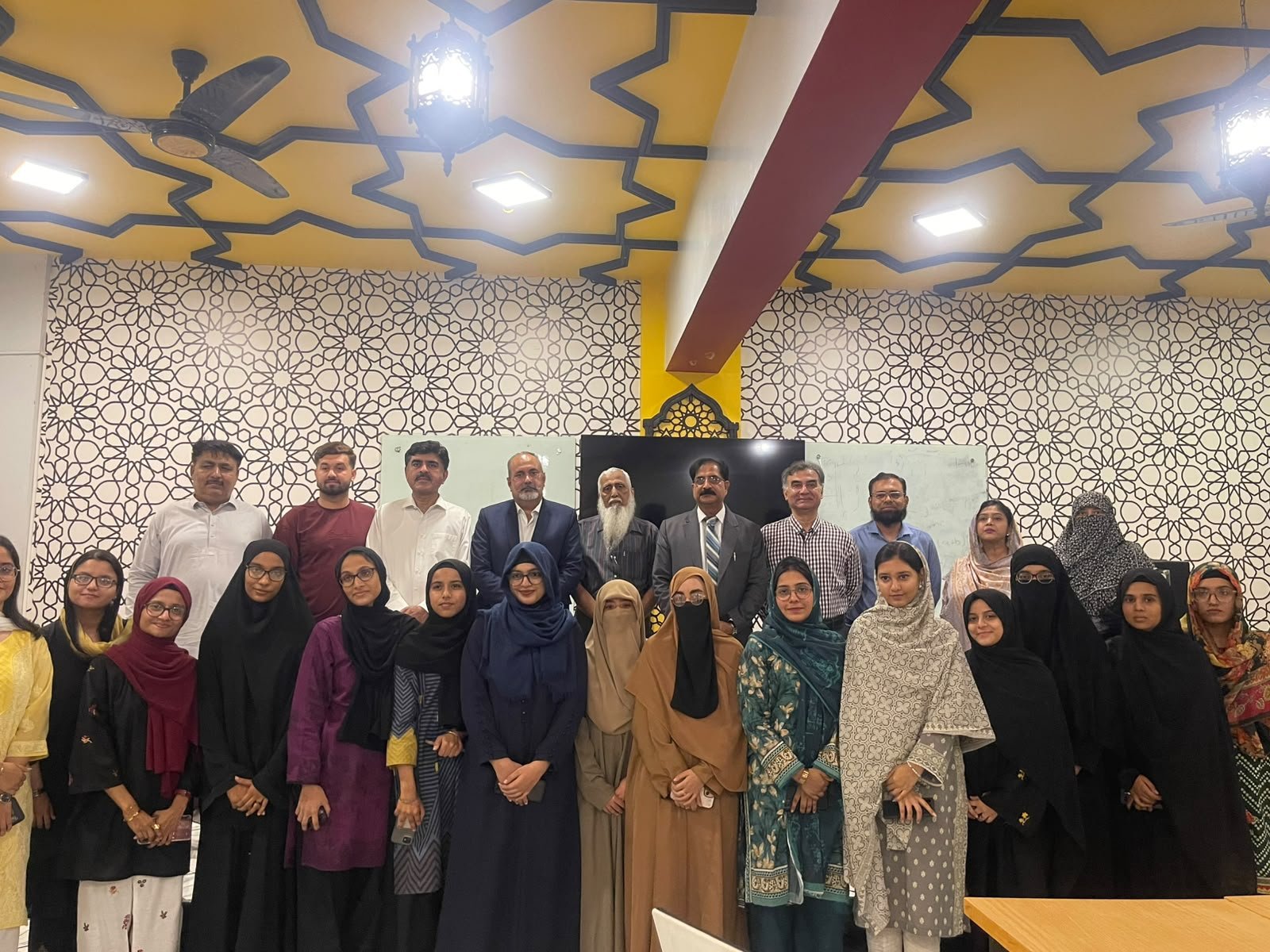
Islamabad – 28 October 2026 (MT Team) : The Pakistan National Heart Association (PANAH), in collaboration with the University of Karachi, organized an awareness session in connection with World Diabetes Day to highlight the alarming rise in diabetes in Pakistan and emphasize the urgent need for mandatory Front-of-Pack Warning Labels (FOPWLs) on ultra-processed food products.
Speakers expressed serious concern over Pakistan’s growing diabetes crisis.
According to the International Diabetes Federation (IDF), approximately 34.5 million adults in Pakistan are living with diabetes, with an age-standardized prevalence of 31.4%—among the highest in the world. Unhealthy dietary habits, excessive consumption of sweet drinks and ultra-processed foods, obesity and physical inactivity are major contributors to this public-health challenge.
Addressing the participants, Mr. Sana Ullah Ghumman said that diabetes is becoming a national health emergency, placing an enormous financial and social burden on families and the healthcare system.
According to international diabetic federation (IDF), the annual expenditures on management of diabetes only are 2.64 million US dollars which is double the IMF installment we receive.
He stressed that mandatory FOPWLs can play a significant role in diabetes prevention by displaying clear, visible warnings on packaged products containing excessive sugar, salt and unhealthy fats.
“Consumers, particularly children and young people, often consume unhealthy products without understanding their nutritional risks. Front-of-Pack Warning Labels will help them identify products high in sugar at a glance, discourage unhealthy consumption and encourage healthier food choices. Preventing diabetes must begin with creating a healthier food environment,” he stated.
He urged the Federal Government and relevant regulatory authorities to expedite the implementation of mandatory FOPWLs without further delay.
Ghufran Saeed highlighted the importance of universities in promoting preventive healthcare and encouraging students to adopt healthier lifestyles. He added that FOPWLs are an important public-health measure that can help consumers quickly identify products high in sugar, salt and unhealthy fats without requiring detailed nutritional knowledge.
Abeera Mohin emphasized the need for greater public awareness regarding healthy dietary choices and the prevention of diabetes, particularly among young people.
PANAH reiterated that effective food labelling, public awareness and coordinated government action are essential to reducing diabetes and other diet-related non-communicable diseases (NCDs) and protecting the health of future generations.