


PANAH Raises Serious Concerns over Lack of Consultation on Legislation for New Heated Tobacco Products
16 September 2026
Islamabad: The Pakistan National Heart Association (PANAH) has expressed serious concerns over the Senate’s approval of legislation aimed at bringing new and emerging tobacco products within the legal and regulatory framework. PANAH stressed that decisions concerning products with potential public health consequences should be taken only after hearing health experts, doctors, medical organizations and public health institutions.
PANAH recalled that it had previously challenged a tobacco-related law, following which a special Senate committee was constituted. The committee recommended its early repeal and observed that, before taking similar decisions in the future, all relevant stakeholders—particularly PANAH—should be given an opportunity to present their views.
Health experts have consistently raised concerns about the serious health risks associated with emerging tobacco products and emphasized that they cannot be considered safe alternatives to conventional tobacco products. PANAH maintains that regulation of such products must prioritize public health and should not contribute to normalizing their use or increasing their availability.
PANAH General Secretary Sana Ullah Ghumman said that after learning about the bill introduced in the Senate, PANAH contacted the Chairman of the Senate Standing Committee on Health and requested an opportunity for PANAH and other medical and public health organizations to brief the committee and present scientific evidence on the potential health harms of these products.
When the request did not initially receive adequate attention, PANAH wrote to the Chairman of the Senate, urging that health-sector organizations be heard before any decision was taken. Following PANAH’s efforts, the Chairman of the Senate directed the Chairman of the Standing Committee on Health to hear PANAH’s position.
PANAH representatives subsequently met the Committee Chairman. However, instead of formally hearing PANAH and other health organizations before the committee, the Chairman proposed a meeting between PANAH and the Senator who had introduced the bill, so that PANAH could directly explain the potential health risks of the products.
PANAH welcomed the proposal and made repeated efforts to arrange the meeting, but despite several assurances and scheduled appointments, the meeting was repeatedly postponed and ultimately did not take place. The Committee Chairman also attempted to facilitate the meeting, but without success.
PANAH subsequently wrote again to the Committee Chairman, emphasizing that the issue was not merely a matter between PANAH and the bill’s sponsor but an important national public health concern requiring formal discussion by the Senate Standing Committee on Health. PANAH called for medical organizations, health experts and civil society representatives to be given an opportunity to present their views.
PANAH also wrote to all members of the Standing Committee, requesting that PANAH, other medical organizations and public health experts be invited to brief the committee on the potential health impacts of emerging tobacco products. It further called for broad stakeholder consultation and comprehensive consensus before bringing such products within the legal and regulatory framework.
Despite these efforts, PANAH and other public health stakeholders were not invited to present their positions or scientific evidence before the committee. The bill was approved without hearing the views of relevant health experts and organizations, raising serious concerns about the transparency and inclusiveness of the consultation process on an important public health matter.
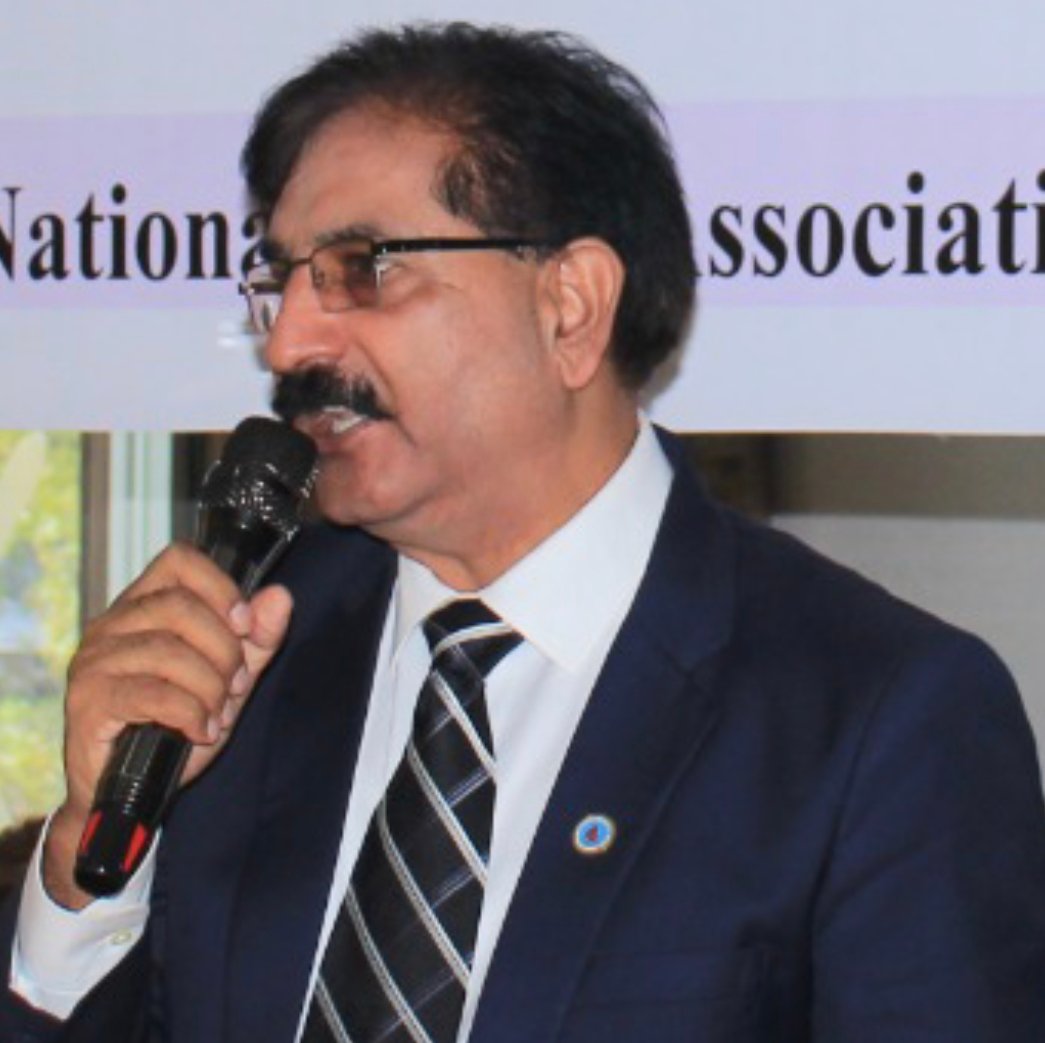
Sana Ullah Ghumman said that “When legislation concerns products that may affect public health, listening to the voice of health experts is not merely an option; it is an essential part of responsible legislation.
PANAH stressed that tobacco and nicotine policies should be based on independent scientific evidence, public health protection and the prevention of disease, and should not result in measures that normalize, promote or increase the availability of tobacco and nicotine products.