



Why building strength may be one of the greatest investments you make in your future self
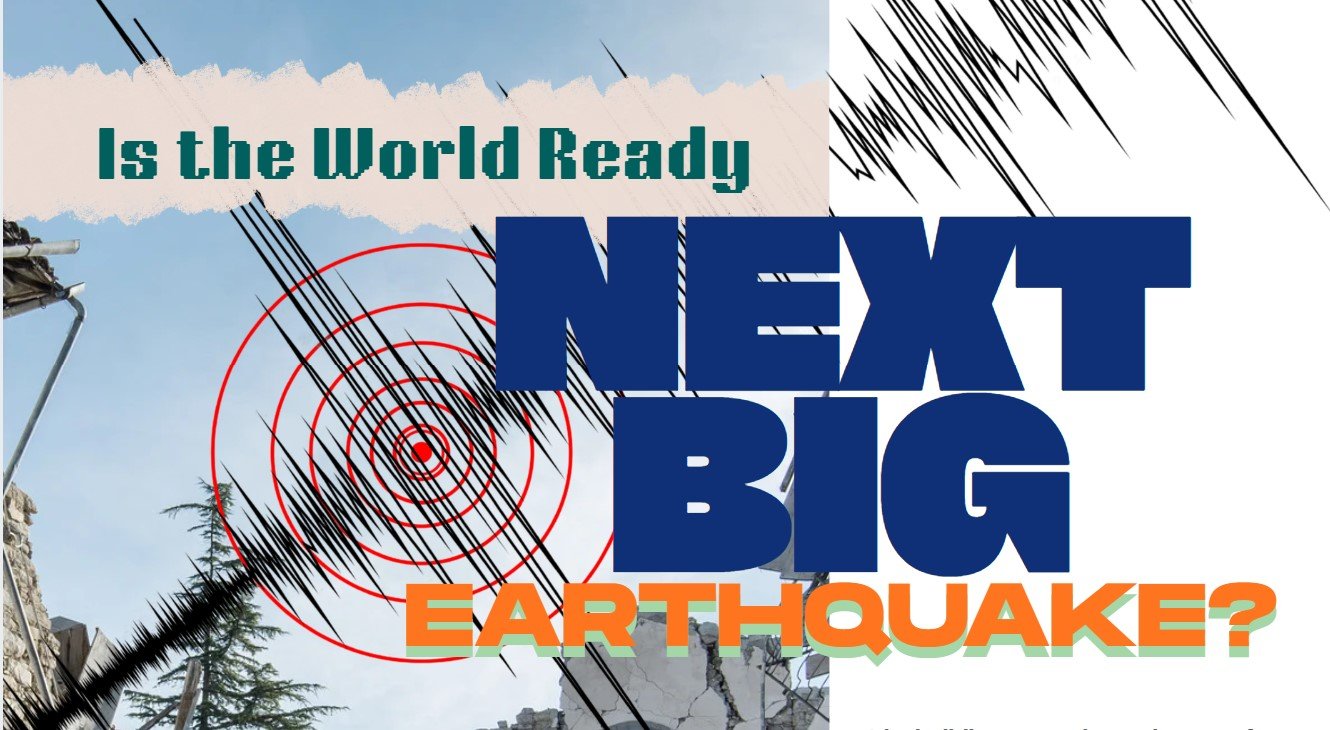
The world was reminded once again that earthquakes do not simply shake the ground, they expose the strength, or weakness, of the societies built upon it.
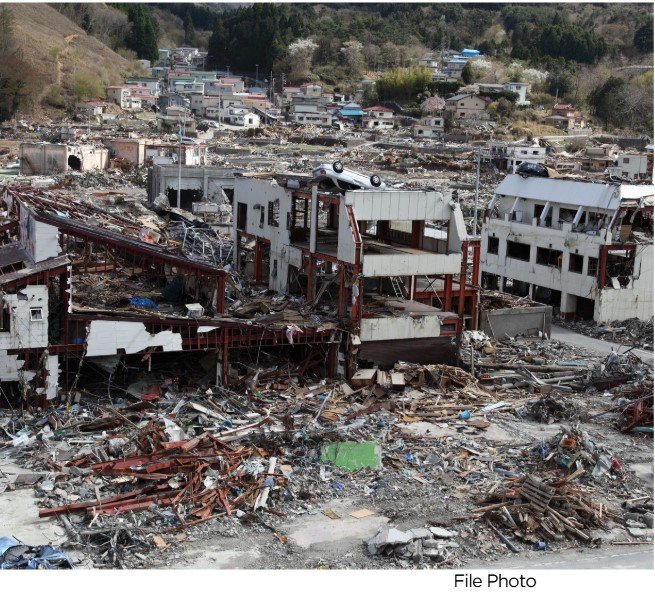
When two powerful earthquakes struck Venezuela within seconds of each other, entire neighbourhoods were reduced to rubble. Hospitals struggled to cope with the influx of casualties, roads and bridges were damaged, communications were disrupted and thousands of families were forced to spend nights in temporary shelters as rescue teams searched desperately for survivors. As relief operations continued, the tragedy evolved from a geological event into a humanitarian crisis, once again demonstra-ting that while earthquakes are inevitable, large-scale disasters often are not.
For countries located along active fault lines, including Pakistan, the events in Venezuela have revived an urgent question: are we genuinely prepared for the next major earthquake, or are we simply waiting for it to happen?
The uncomfortable truth is that humanity understands earthquakes better today than at any point in history. Scientists can map active fault lines with increasing precision, monitor tectonic movements through satellites, model ground shaking using advanced computing and identify buildings most vulnerable to collapse. Engineers have developed construction techniques capable of withstanding severe seismic forces, while modern early-warning systems can provide precious seconds of advance notice before destructive shaking arrives.
Yet despite these remarkable scientific advances, devastating earthquakes continue to claim thousands of lives every few years. The reason is straightforward.
Science can explain earthquakes. Only governance can prevent them from becoming national catastrophes.
The same earthquake hitting a rapidly growing city where construction standards are poorly enforced can result in thousands of deaths within minutes. The difference is rarely geological. It is institutional.
Earthquakes Do Not Kill, Unsafe Buildings Do
Modern disaster management has fundamentally changed the way experts think about earthquakes. The focus is no longer solely on the magnitude of the earthquake itself, but on the vulnerability of the communities it strikes.
The United Nations Office for Disaster Risk Reduction (UNDRR) repeatedly stresses that earthquakes are natural hazards, but disasters are largely the result of human decisions. The greatest cause of death during major earthquakes is not the movement of the earth but the collapse of poorly designed or poorly maintained buildings.
This explains why earthquakes of similar magnitude often produce dramatically different outcomes. A powerful earthquake striking Japan may damage infrastructure and interrupt transport networks, yet cause relatively limited casualties because strict building regulations, public education and emergency preparedness have become part of everyday governance.
The same earthquake hitting a rapidly growing city where construction standards are poorly enforced can result in thousands of deaths within minutes. The difference is rarely geological. It is institutional.
Building regulations may exist in legislation, but unless they are properly enforced, regularly inspected and free from political interference, they offer little protection when disaster strikes. Concrete mixed with inferior materials, illegal additional floors, poorly reinforced columns and unauthorised structural modifications silently increase the human cost of future earthquakes. The disaster, in many respects, begins years before the ground moves.
Cities Are Growing Faster Than Their Resilience
According to recent United Nations estimates, more than half of the world’s population now lives in cities, with Asia and Africa experiencing the fastest urban growth. Many of these expanding urban centres are located in earthquake-prone regions where housing demand far exceeds the capacity of governments to regulate development effectively.
High-rise apartment buildings continue to reshape skylines. Informal settlements spread across unstable slopes. Commercial plazas are converted from buildings never designed to support heavy public occupancy. Additional storeys are added without proper engineering assessments, while ageing schools, hospitals and bridges remain in use decades after they were built.
Urban planners refer to this as accumulated risk—the gradual build-up of vulnerabilities over many years. When an earthquake eventually occurs, it merely exposes weaknesses that have existed all along.
Technology Is Transforming Earthquake Preparedness
Modern earthquake early-warning systems represent one of the most significant advances in disaster risk reduction.
These systems do not forecast earthquakes days in advance. Instead, they detect the initial seismic waves immediately after an earthquake begins and transmit electronic alerts faster than the stronger, more destructive shaking can travel.
Those warnings may last only a few seconds. Yet those seconds can save lives. High-speed trains can slow automatically. Surgeons can pause delicate procedures. Factory machinery can shut down. Gas pipelines can close automatically, reducing the likelihood of fires. Schools can instruct children to “Drop, Cover and Hold On” before violent shaking begins.
When Critical Infrastructure Fails
The true measure of a country’s earthquake preparedness is whether its essential services remain operational during the crisis.
Countries such as Japan, Mexico and the western United States have invested heavily in sophisticated early-warning networks, demonstrating how technology can reduce injuries even when earthquakes themselves cannot be prevented.
The World Health Organization has consistently empha-sised that resilient health infrastructure is fundamental to disaster preparedness. Hospitals must not only withstand earthquakes but also continue functioning during emergencies. A damaged hospital is more than another collapsed building it removes the very institution responsible for saving lives.
The same principle applies to schools. Across the world, tragic earthquakes have repeatedly demonstrated that poorly constructed educational facilities place children among the most vulnerable victims of seismic disasters.
Every earthquake-prone nation should know the structural condition of its hospitals, schools and emergency response facilities not in theory, but building by building.
Governments often view seismic retrofitting, modern monitoring systems and resilient infrastructure as expensive investments. The cost of inaction, however, is far greater.
Preparedness Begins Long Before Disaster Strikes
One of the greatest misconceptions about disaster mana-gement is that responsibility rests solely with govern-ments and emergency agencies. In reality, the first respon-ders after a major earthquake are almost always ordinary citizens. This makes public awareness as important as engineering.
Countries such as Japan have demonstrated that disaster education is most effective when introduced at an early age and reinforced regularly. Familiarity reduces panic, allowing people to respond instinctively when every second matters. Communities that practise together recover together.
Governments often view seismic retrofitting, modern monitoring systems and resilient infrastructure as expensive investments. The cost of inaction, however, is far greater.
A major urban earthquake can erase decades of economic progress within seconds. International financial institutions increasingly argue that resilience should be viewed as an investment in sustainable development rather than an emergency expenditure. Every building strengthened before an earthquake reduces future reconstruction costs while protecting lives, livelihoods and national productivity.
Building Resilience Before the Ground Moves
The lessons from Venezuela are clear. Earthquakes cannot be prevented, but their consequences can be dramatically reduced. Local authorities should regularly map vulnera-ble neighbourhoods and critical infrastructure, while me-dia organisations have an equally important responsibility to promote public awareness before not after disaster strikes.
It is built years beforehand through responsible gover-nance, scientific planning and informed communities. Somewhere beneath the Earth’s surface, tectonic plates continue their slow, relentless movement. They will not pause for elections, economic crises or political debates. The next major earthquake is already part of our future.