



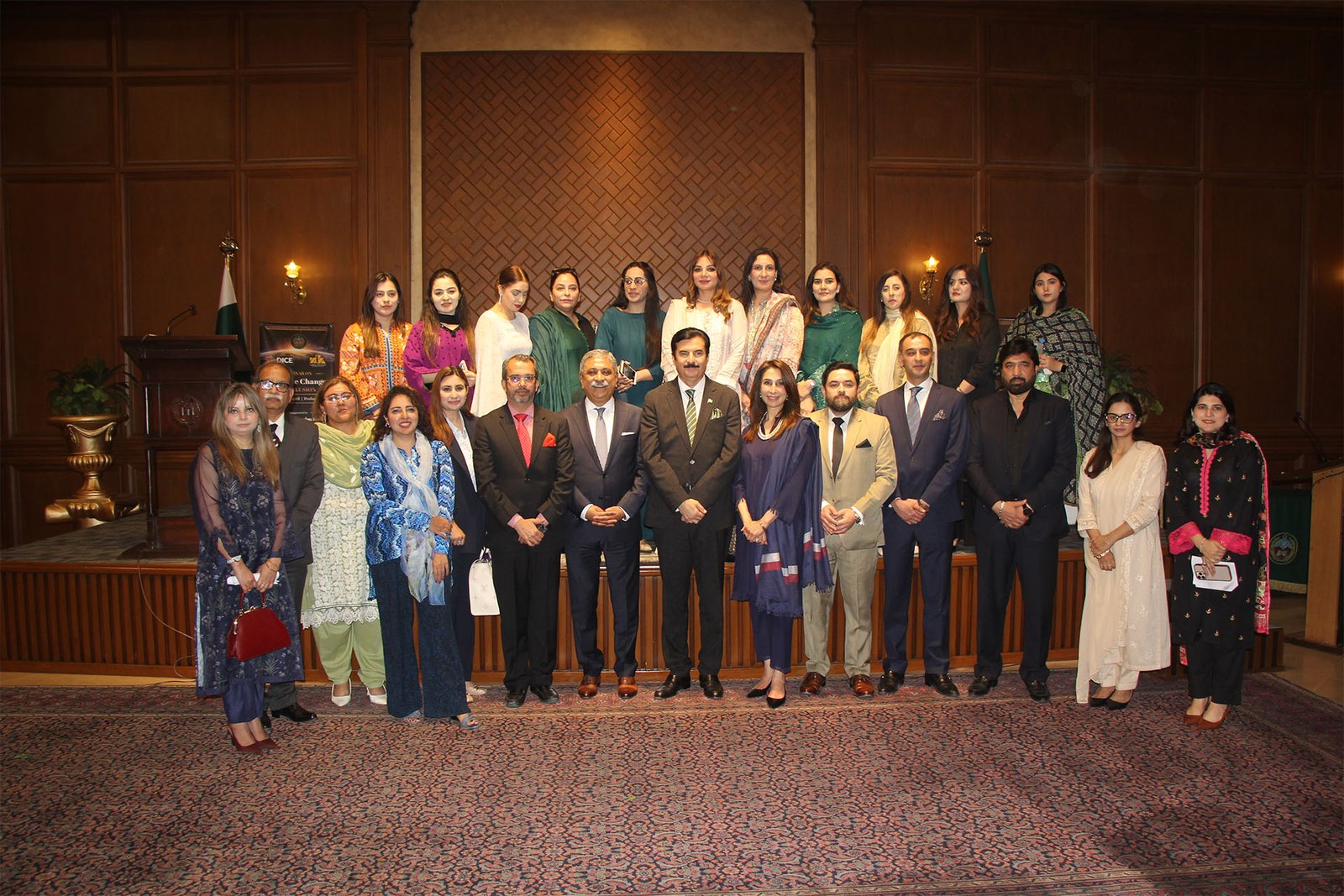
Building a Resilient and Equitable Future
A High-Level Collaborative Seminar by The DICE Forum · In partnership with the Government of Khyber Pakhtunkhwa
Organised by – The DICE Forum
Date – 13th April 2026
Venue – Governor House Khyber Pakhtunkhwa
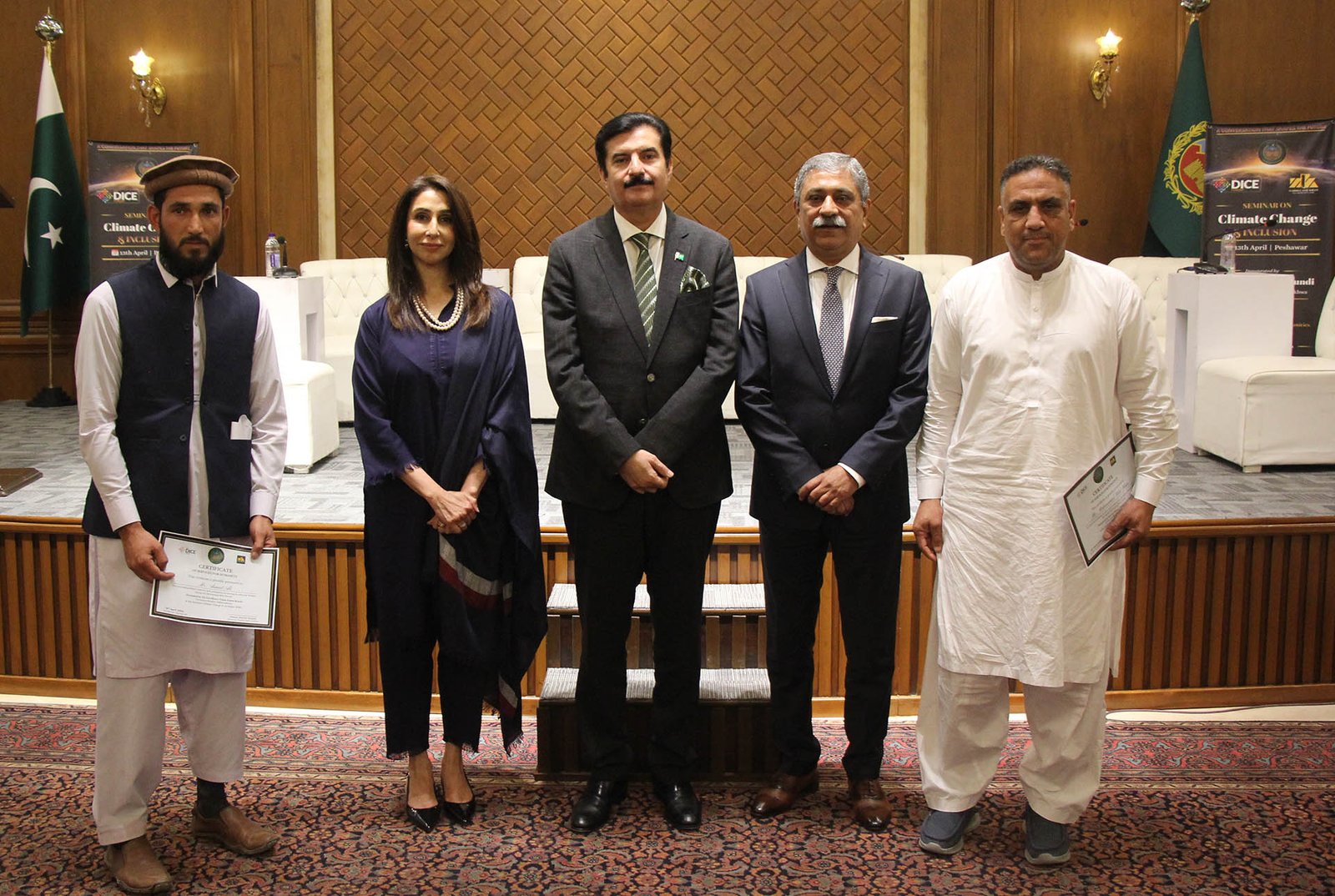
Chief Guest – Governor Faisal Karim Kundi
From Dialogue to Action
Climate change is no longer a distant environmental concern. Across Pakistan, particularly in Khyber Pakhtunkhwa, communities are already experiencing the devastating consequences of floods, heatwaves, erratic rainfall, water scarcity, glacial melt, and displacement. Yet the burden of this crisis is not shared equally. Women, children, low-income communities, persons with disabilities, rural populations, and indigenous groups continue to bear the harshest impacts despite contributing the least to the problem.
Climate policies must move beyond environmental responses alone and address deeper issues of governance, inequality, representation, and social justice.
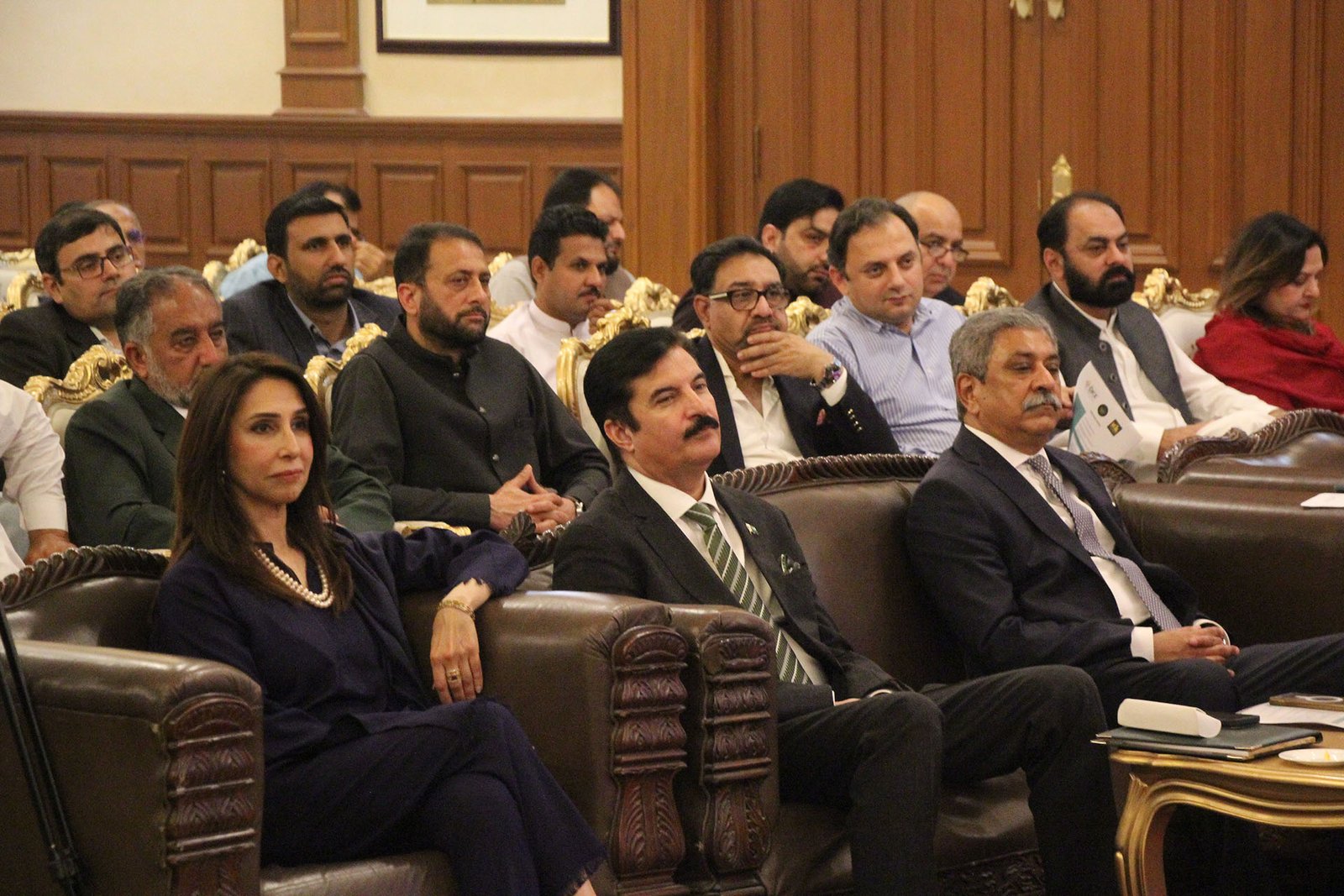
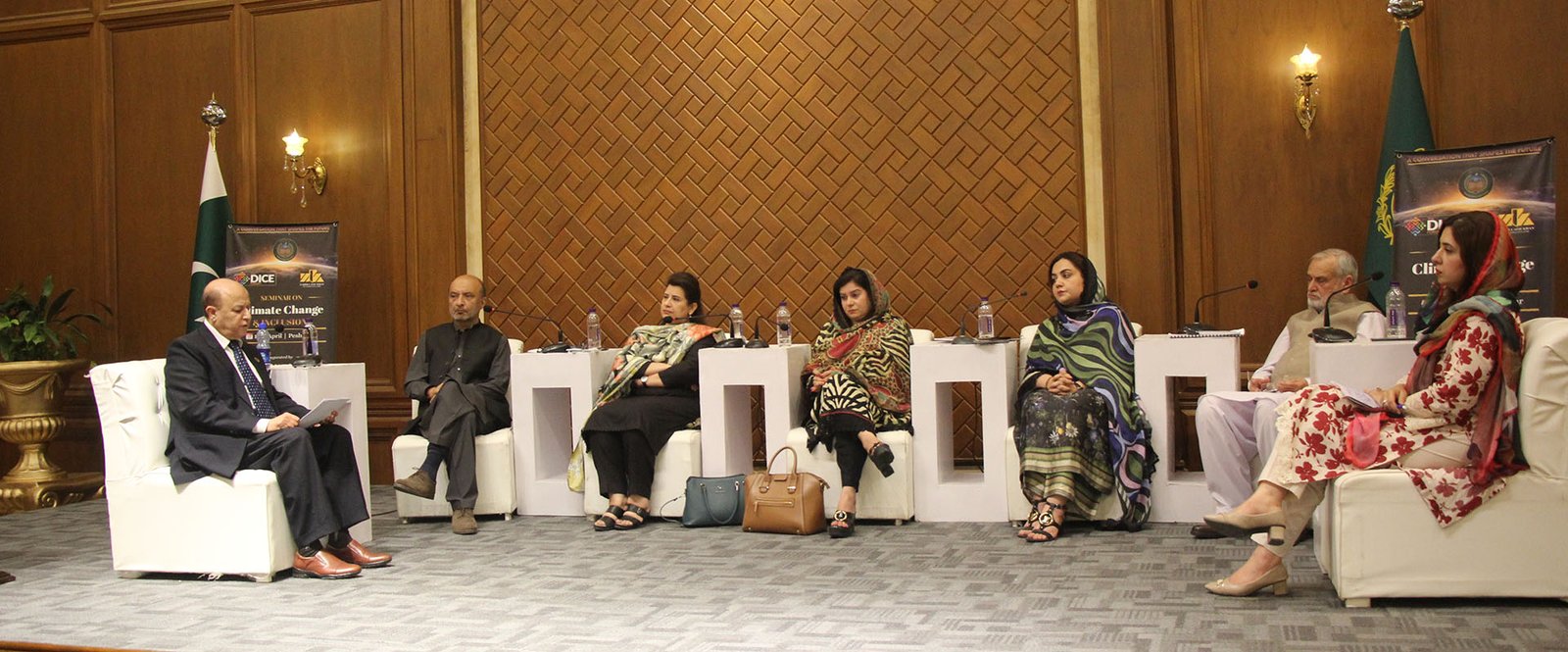
Recognising this urgent challenge, The DICE Forum, in collaboration with the Government of Khyber Pakhtunkhwa and ZLK Securities, convened a high-level seminar on Climate Change and Inclusion at the Governor House in Peshawar. The event brought together policymakers, parliamentarians, climate experts, academics, development practitioners, civil society representatives, youth leaders, and members of the private sector to explore how inclusion can be systematically integrated into climate governance and policymaking.
The seminar focused on four key themes and marked the beginning of a broader series of policy dialogues and expert roundtables aimed at producing practical recommendations for strengthening climate resilience and inclusive governance across Pakistan.
Four Pillars of Discussion
Inclusive Climate Governance
Designing systems that reflect lived realities and integrate disaggregated data into planning and budgeting.
Climate Justice
Addressing disproportionate climate exposure and aligning provincial policy with global justice frameworks.
Livelihoods & Green Jobs
Promoting climate-smart livelihoods, skills development, and inclusive economic transition.
Disaster Risk Reduction
Strengthening community-led preparedness and socially inclusive response systems.
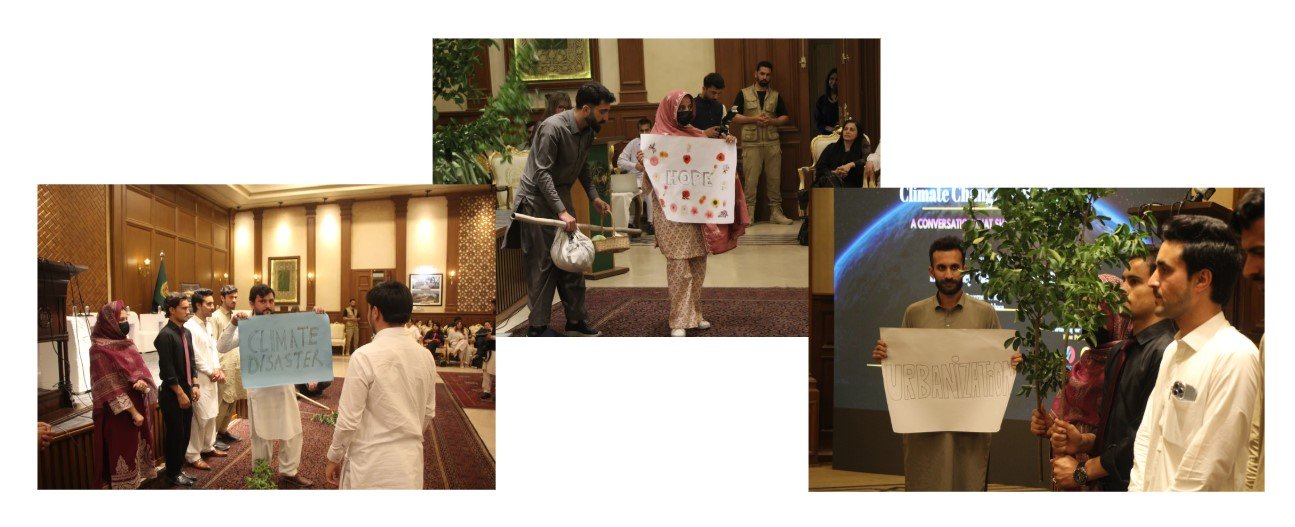
OPENING SESSION
VOICES OF LEADERSHIP
Governor Faisal Karim Kundi Chief Guest
Governor Khyber Pakhtunkhwa Faisal Karim Kundi, while addressing the seminar as chief guest, emphasized that climate change and inclusion are among the defining challenges of the present century. He stated that climate change is no longer a future threat, but a crisis already affecting communities across Khyber Pakhtunkhwa through floods, droughts, unusual weather patterns, and glacial melting.
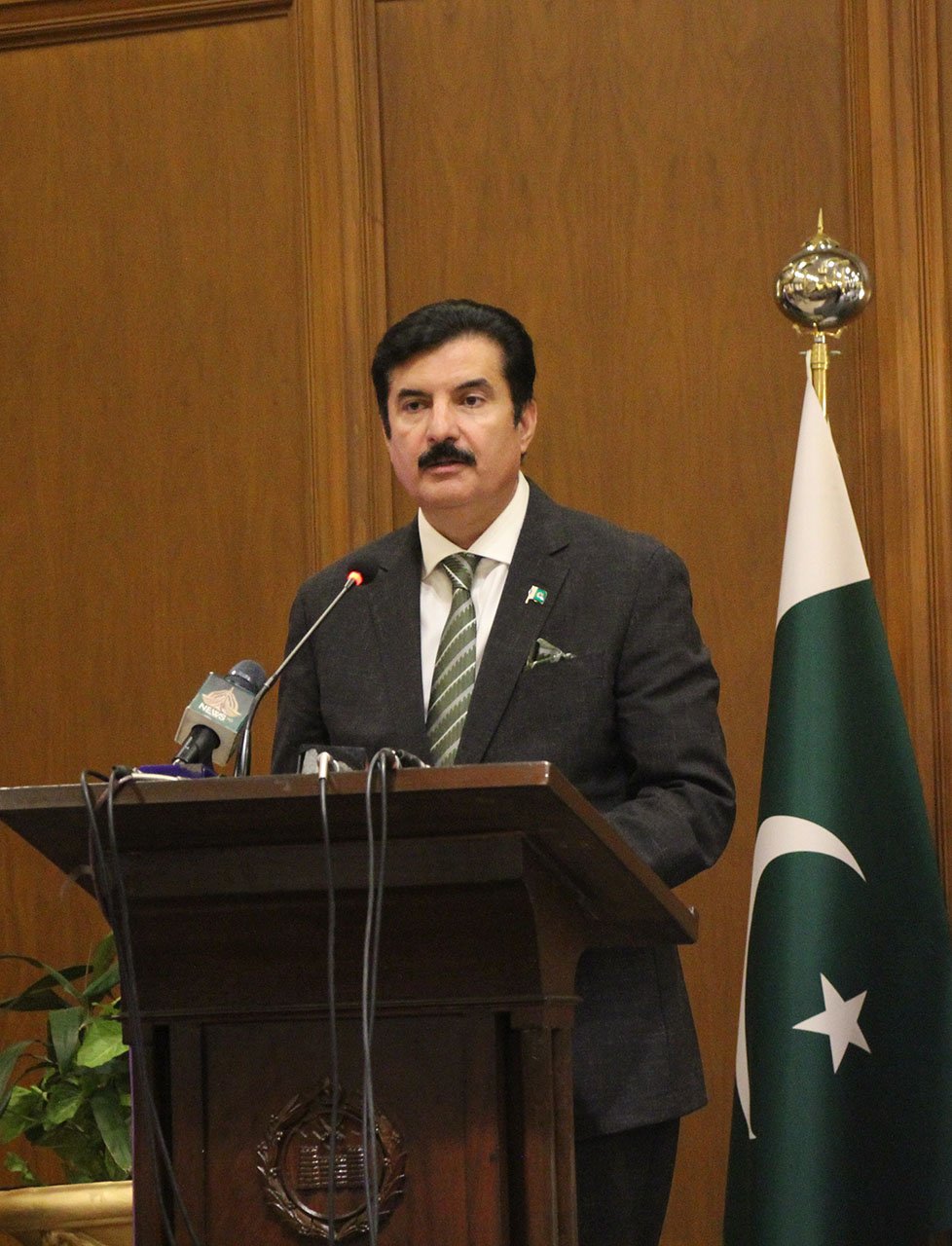
He noted that while the province is rich in natural beauty and resources, it also remains highly vulnerable to environmental degradation. According to him, climate change is affecting agriculture, water resources, infrastructure, and the livelihoods of ordinary citizens, particularly vulnerable communities.
The Governor stressed that effective climate action must be inclusive and community-centered. Women, youth, and local communities, he said, should be actively involved in climate decision-making and resilience planning. He further highlighted the importance of collective action among governments, academia, civil society, private institutions, and international partners to build a sustainable future.
Effective climate action must be inclusive and community-centred, women, youth and local communities must be part of the solution.
OPENING SESSION
VOICES OF LEADERSHIP
ALIYA AGHA
Chairperson, The Dice Forum
Aliya Agha framed climate change not merely as an environmental issue but as a challenge of justice, equity, and inclusion. She highlighted that women, minorities, rural populations, youth, and other vulnerable groups have long been excluded from decision-making, access to information, and economic opportunity and that climate disasters only deepen these inequalities, intensifying poverty, displacement, and social fragmentation.
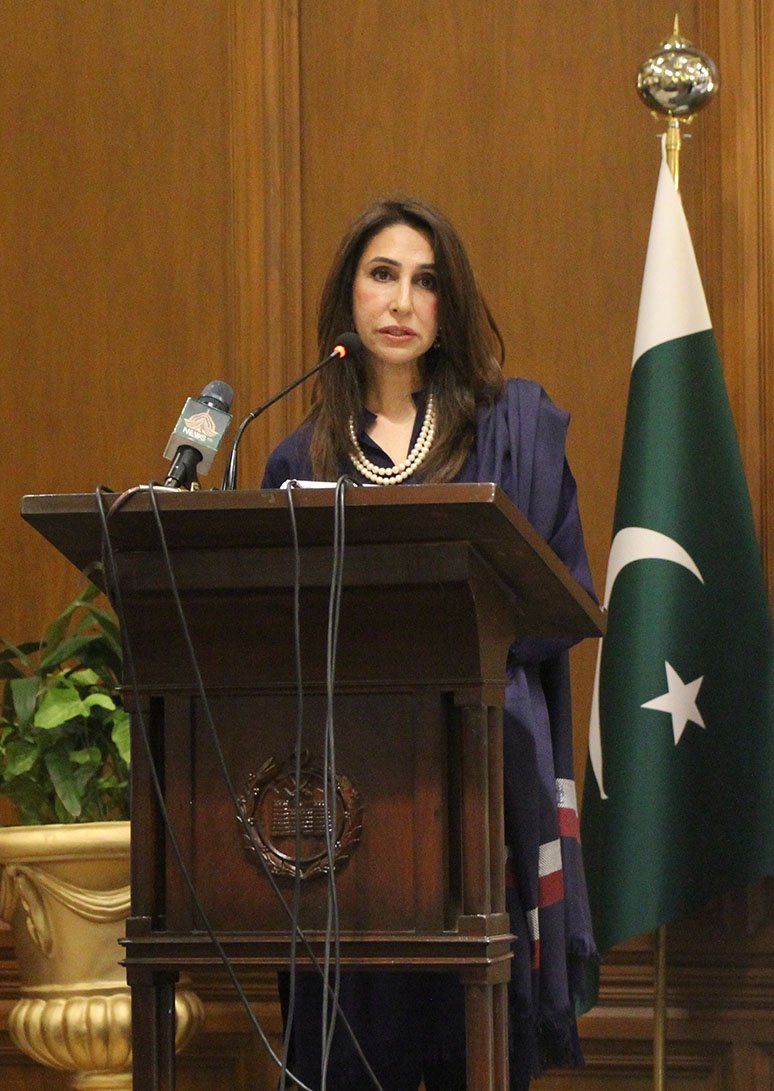
Aliya Agha stated that Pakistan contributes less than one percent to global greenhouse gas emissions, yet remains among the countries most severely impacted by climate change. Referring to Khyber Pakhtunkhwa, she described the province as being on the frontline of climate vulnerability, particularly following the floods and cloudburst events of 2025.
She explained that the DICE Forum was established around four pillars, Diplomacy, Inclusion, Climate, and Education, to transform dialogue into practical action and bridge critical policy gaps. Stressing the importance of youth engagement, she described young people as active participants and first responders in climate action rather than passive recipients of policy decisions.
Aliya Agha further emphasized the importance of partnerships and institutional collaboration, noting that the seminar marked the beginning of a broader series of policy dialogues and expert roundtables aimed at developing practical and actionable climate recommendations for Pakistan.
The seminar marks the beginning of a sustained process, one aimed at producing real, actionable recommendations for inclusive climate governance
EXPERT PERSPECTIVES
SPEAKERS

Dr. Khalid Khan
Synoptic Systems Architect
Dr. Khalid Khan while moderating the event, emphasized that climate change is no longer solely an environmental issue but a broader challenge of governance, inclusion, and social justice. He highlighted how climate disasters disproportionately affect vulnerable populations, including women, low-income communities, and persons with disabilities. Referring to Pakistan’s socio-economic realities and the impact of recent floods, he stressed the urgent need for inclusive climate governance and stronger institutional capacity. He argued that climate policies must focus on who is affected, who participates in decision-making, and who benefits from climate action. He also emphasized the need for implementation-oriented policies.
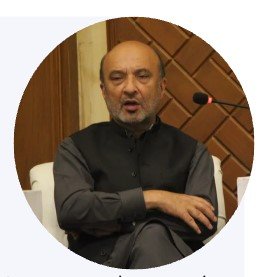
Dr. Zahid Khan
Chairman, Deptt of Water Resources, University of Agriculture, Peshawar
Focusing on adaptation, disaster preparedness, and water management, Dr. Zahid mapped the growing climate vulnerabilities of Khyber Pakhtunkhwa — from glacier melt and erratic rainfall to intensifying floods and droughts. He made a strong case for modern technology and data systems as foundations for stronger early warning mechanisms and the identification of disaster-prone zones. On water, he advocated for rainwater harvesting, groundwater recharge, and sustainable irrigation practices. He also called for climate education to be embedded in school curricula and for government incentives to help farmers protect agricultural land and build resilience.
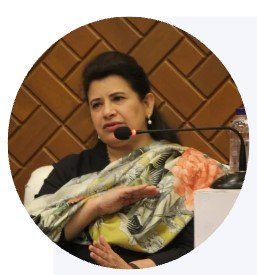
Dr. Arjumand Nizami
Country Head Helvetas
Dr. Arjumand brought a systems perspective to the discussion, emphasising the need to balance climate resilience with mitigation. She called on Pakistan to improve industrial systems, advance sustainable production, and strengthen environmental management while simultaneously deepening adaptation efforts. Spotlighting water scarcity, she described water efficiency not as an option but as an obligation. She also championed the role of science, technology, and grassroots implementation in climate governance, and advocated for empowering small farmers through training, collective organisation, and capacity-building with district-level institutions playing a central role.
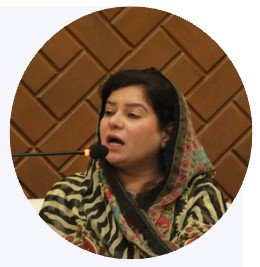
Ms. Shugufta Malik
MPA
Ms. Malik talked about the lived experience of affected communities to the fore, highlighting how climate change disproportionately burdens women and vulnerable groups particularly during disasters. Drawing on the 2010 floods, she described the hardships faced by displaced women and pointed to persistent gaps in disaster management implementation. She argued forcefully that climate policies cannot succeed without grassroots participation, and that women must be included in climate governance, district-level planning, and local decision-making. Proper budget allocation, implementation follow-through, and coordination between local governments and communities, she stressed, are non-negotiable for effective climate resilience.
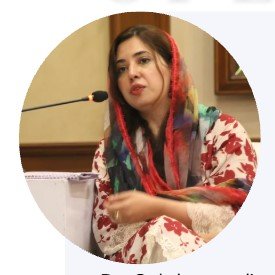
Ms. Rabia Gul
Gender Specialist
Dr. Gul drew a direct line between climate change and human rights, drawing from field experience in flood-affected regions to show how displacement and environmental disasters fuel social crises including forced marriages, harassment, and child abuse. She challenged the tendency to treat affected communities solely as vulnerable populations, insisting instead that they be directly involved in policymaking and implementation. She called for rigorous monitoring and evaluation of climate programmes to ensure support reaches intended beneficiaries, and emphasised that women in rural areas require greater capacity-building and access to resources to lead their communities’ recovery.
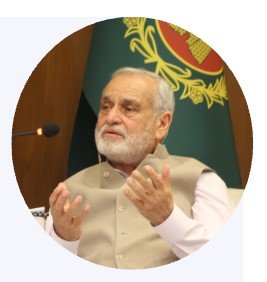
Engineer Ahmed Jan Khan
Engineer Ahmad Jan Khan grounded the seminar’s discussions in the long-term environmental threats that unchecked climate change poses to societies and civilisations. Bringing his professional expertise to bear on Peshawar’s growing water crisis, he documented the dramatic decline of groundwater levels over recent decades a consequence of excessive extraction and poor resource management. He also raised concerns about water contamination, calling for sustainable water usage practices, stronger monitoring systems, and coordinated government action. His remarks served as a sobering reminder that the consequences of inaction are already visible in our cities.
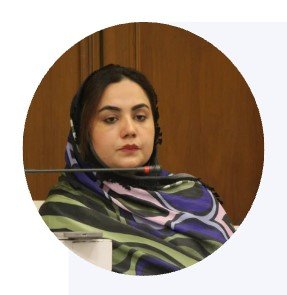
Dr. Sumera Shams
Chairperson (KPCSW)
Dr. Shams argued that women must be more than beneficiaries of climate policies, they must be active decision-makers in governance and planning. Referencing the Women Empowerment Policy 2026–2030, she highlighted efforts to create institutional space for women in policymaking and climate governance. She advocated for gender-responsive budgeting and stronger inter-departmental coordination, and called for climate and environmental policies that explicitly address the concerns of women, persons with disabilities, and transgender communities. Moving beyond symbolic representation toward meaningful empowerment, she stressed, is both a moral and practical imperative.
CLOSING REMARKS
VOICES OF LEADERSHIP
Zahid Latif Khan
Chairman ZLK Group
In his closing remarks, Zahid Latif Khan emphasized the importance of collective awareness, collaboration, and innovative solutions in addressing climate change challenges in Pakistan. He thanked Faisal Karim Kundi for hosting the seminar at the Governor House and appreciated the efforts of Aliya Agha, partner organisations, and participants for contributing to the discussion on climate change and inclusion.
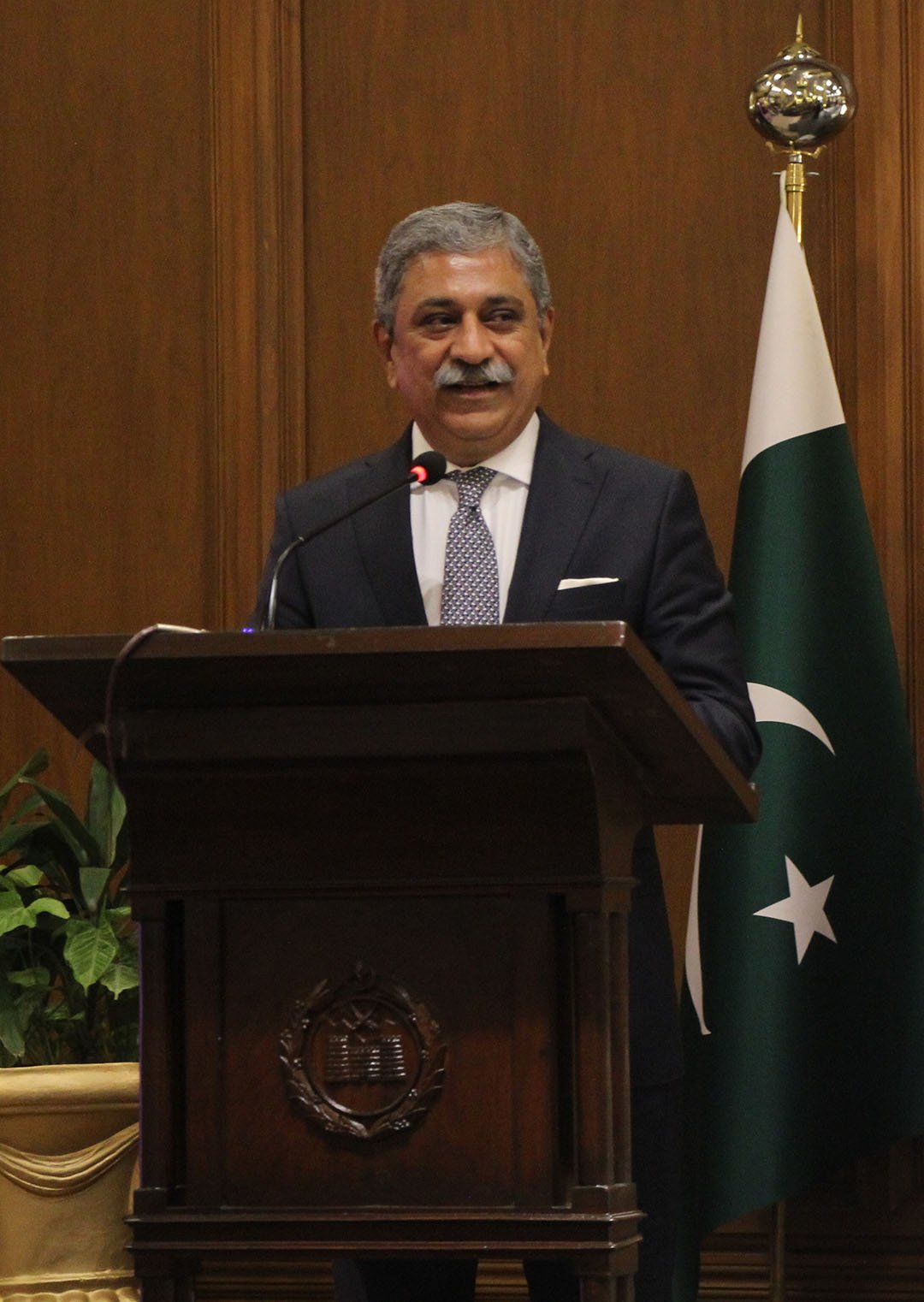
He explained that the seminar was intentionally organised in Khyber Pakhtunkhwa because the province remains highly vulnerable to climate-related disasters, and there is a strong need to create awareness among local communities regarding environmental challenges and resilience-building. He appreciated the fact that experts and stakeholders in the province are not only aware of the climate crisis but are also actively exploring ways to mitigate its risks.
Highlighting Pakistan’s global climate position, Zahid Latif Khan noted that although the country contributes less than one percent to global carbon emissions, it faces disproportionately severe consequences of climate change, including floods and environmental degradation. Referring to his experience in the capital markets sector, he stressed the importance of exploring climate finance mechanisms such as carbon credit exchanges, which could support sustainable development and environmental initiatives in Pakistan. He concluded by emphasizing the need for continued partnerships, awareness, and practical action to tackle climate challenges effectively.
The time has come to connect climate awareness with practical financial and policy solutions for sustainable development.
OUTCOMES & WAY FORWARD
A CALL TO ACT
The seminar concluded with a shared recognition that climate change and inclusion are inseparable challenges and that addressing one without the other is neither equitable nor effective. Speakers and participants agreed that Pakistan, and Khyber Pakhtunkhwa in particular, stands at a critical juncture: the science is clear, the communities most affected are waiting, and the window for decisive action is narrowing.
Key directions emerging from the seminar include the need for inclusive climate governance frameworks that embed representation of women, persons with disabilities, and marginalised communities at every level of decision-making; stronger institutional capacity and coordination between federal, provincial, and local governments; science-based early warning systems and disaster preparedness; gender-responsive budgeting; and climate education from the grassroots up.
The DICE Forum commits to continuing this dialogue through a series of policy roundtables and expert consultations, with the goal of translating the insights of this seminar into concrete, implementable recommendations for Pakistan’s climate governance framework.
The science is clear, the communities most affected are waiting, and the window for decisive action is narrowing.