



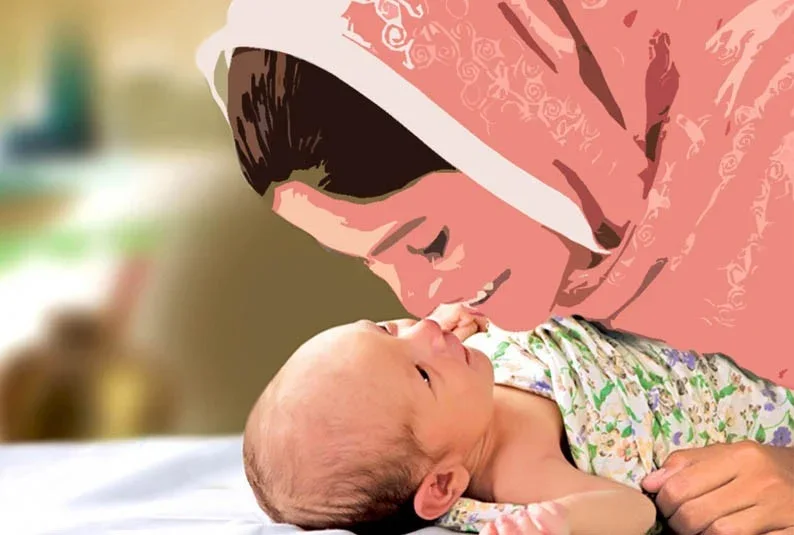
Mother and child healthcare lies at the very foundation of a nation’s human development. The health of women du-ring pregnancy, childbirth, and the postnatal period, and the survival and well-being of infants and young children, are among the most reliable indicators of social equity, economic resilience, and state capacity. Yet in many parts of Pakistan, particularly in rural and under-served districts maternal and child health outcomes continue to lag behind regional and global benchmarks.
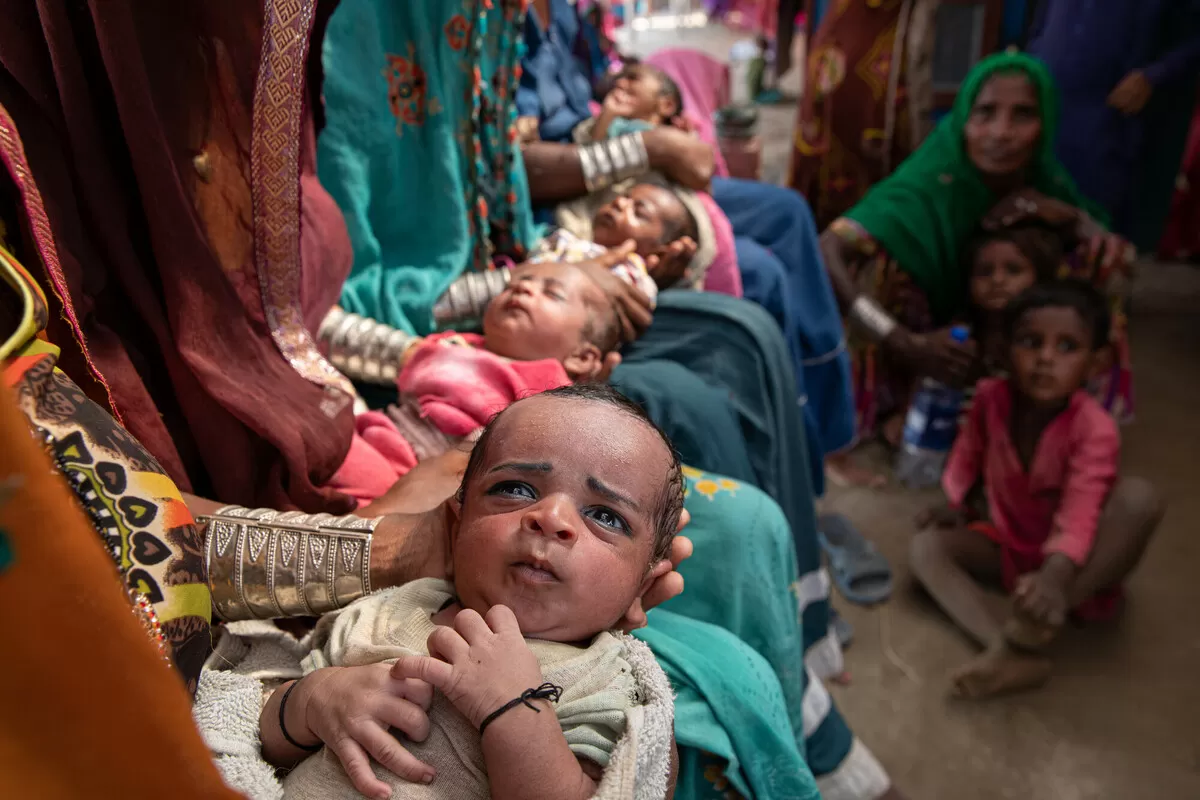
According to national and international health assess-ments, Pakistan still faces unacceptably high maternal and infant mortality rates, with rural Sindh and Balochis-tan bearing a disproportionate share of the burden. Limited access to skilled birth attendants, inadequate prenatal and postnatal care, poor nutrition, and long distances to functional healthcare facilities combine to create a cycle of preventable illness and loss.
Why Dedicated Mother and Child Care Facilities Matter
Mother and Child Healthcare (MCH) centres play a unique and irreplaceable role within healthcare systems. Unlike general clinics, these facilities are specifically designed to address the continuum of care that women and children require, from antenatal check-ups and safe deliveries to neonatal care, immunization, nutrition counselling, and early childhood health monitoring.
Beyond their immediate medical impact, MCH facilities generate broader social dividends. Healthier mothers are more likely to participate in education and economic ac-tivity, while healthier children are better positioned to learn, grow, and contribute productively to society. Inves-tments in maternal and child health, therefore, are not merely welfare expenditures; they are long-term investm-ents in human capital, social stability, and economic growth
Gaps in Access and the Limits of Public Healthcare
Pakistan’s public healthcare system continues to struggle with uneven service delivery, particularly in remote and rural areas. Resource constraints, governance challenges, and infrastructure deficits mean that many communities remain beyond the effective reach of quality maternal and child healthcare. This persistent gap between need and access highlights the importance of complementary actors in the development ecosystem
The Role of Corporate Social Responsibility in Healthcare
Corporate Social Responsibility has evolved from ad hoc philanthropy to a more strategic engagement with social challenges. In the healthcare sector, CSR initiatives can play a catalytic role by investing in infrastructure, supporting service delivery, and introducing quality and sustainability standards that may otherwise be difficult to implement at scale.
When corporations align CSR investments with community needs and national development goals, they contribute not only to social welfare but also to long-term stability and trust. Healthcare-focused CSR initiatives, in particular, have the potential to generate measurable and enduring impact.
OGDC’s Initiative in Khairpur: A Targeted Intervention
Against this backdrop, the Oil & Gas Development Company Limited’s (OGDC) partnership with the Human Development Foundation (HDF) to establish a Women and Children Healthcare Centre in Union Council Khewari, Tehsil Nara, District Khairpur, represents a timely and focused intervention.
As Pakistan’s largest exploration and production company, OGDC operates in regions that often face development deficits. Through its CSR program, the company has chosen to invest in a healthcare facility that directly addresses maternal and child health, one of the most pressing needs in underserved rural communities.
Sustainability and Quality through EDGE Compliance
A distinguishing feature of the Khairpur healthcare centre is its EDGE-compliant design, which integrates energy efficiency, water conservation, and reduced environmen-tal impact. In a country facing climate stress and resource scarcity, embedding sustainability into health-care infrastructure is both pragmatic and forward looking. By adopting internationally recognized green building stan-dards, OGDCL demonstrates that social infrastructure can, and should be resilient, cost-effective, and environ-mentally responsible over the long term.
Partnerships that Strengthen Community Impact
The collaboration with the Human Development Foun-dation adds depth and credibility to the initiative. HDF’s experience in community-based development ensures that the healthcare centre is responsive to local needs, culturally appropriate, and supported by community engagement and awareness efforts. Such partnerships illustrate how corporations and development organiza-tions can combine operational capacity with grassroots insight to deliver services that are both effective and trusted.
Investing in the Future
OGDC’s healthcare initiative in Khairpur reflects a broader shift in how corporate actors can contribute meaningfully to national development goals. By focusing on women and children, groups central to long-term social progress the company aligns its CSR strategy with sustainable development priorities.
OGDC’s healthcare initiative in Khairpur reflects a broader shift in how corporate actors can contribute meaningfully to national development goals. By focusing on women and children, groups central to long-term social progress the company aligns its CSR strategy with sustainable development priorities.
In a country where healthcare inequities remain a pres-sing concern, investments in mother and child care facilities offer some of the highest social returns. When executed with intention, quality, and partnership, such initiatives not only improve lives but help build a more resilient and inclusive future for Pakistan.