



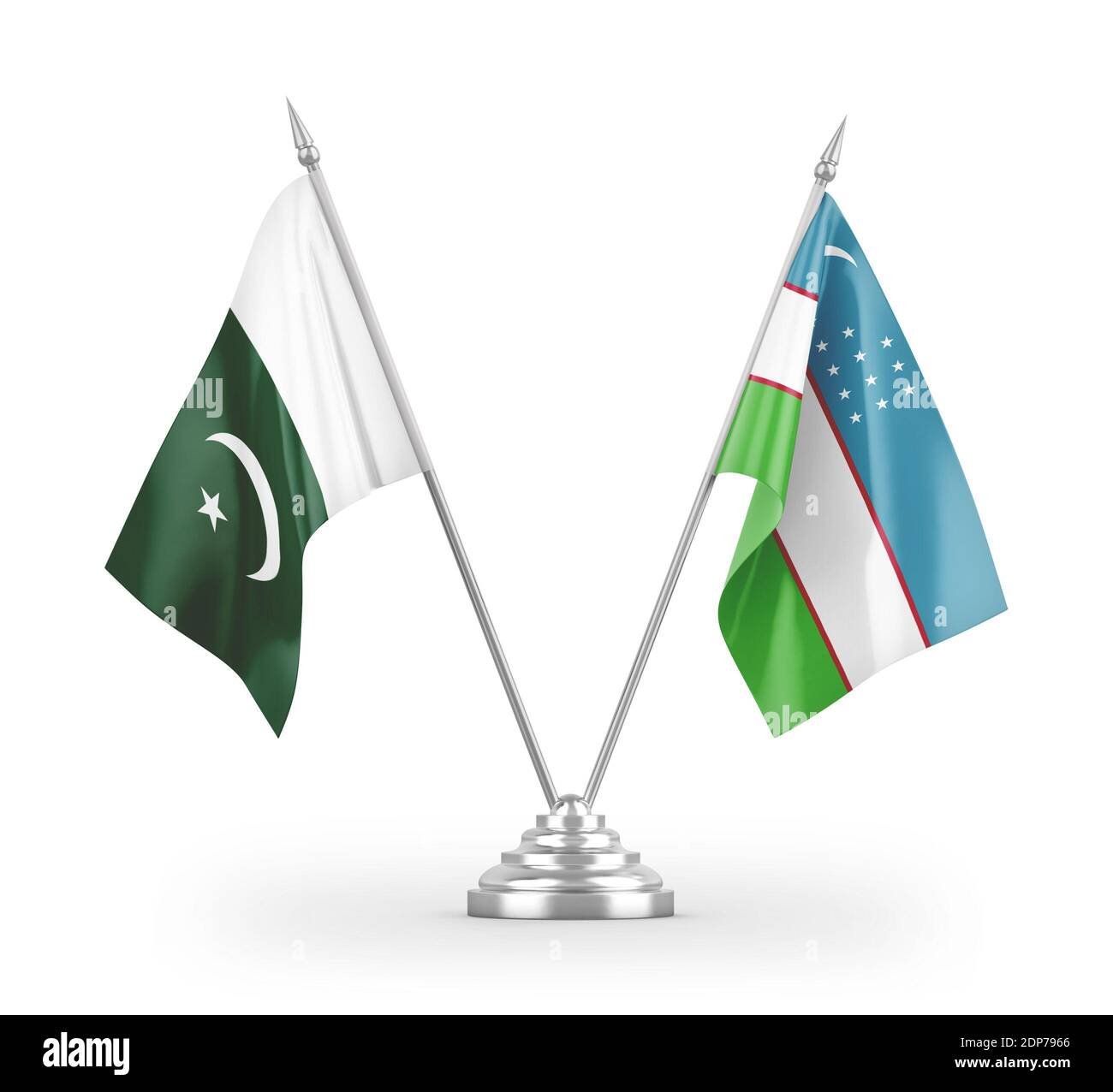
Uzbekistan and Pakistan strengthen the bridges of friendship
Author: Bekhzod Alimjanov, Chief Research Fellow at the Center for Foreign Policy Studies.
In the first days after Uzbekistan’s independence, I was deeply moved to learn that in both large and small cities across Pakistan, our Pakistani brothers welcomed this event with joy and enthusiasm. It was both heartening and somewhat surprising to see our independence so warmly received by people in a distant land.
I encountered this same sense of goodwill during my subsequent visit to Pakistan. Despite the geographical distance between our countries, I found a strong sense of spiritual closeness — a feeling that our Pakistani friends genuinely share in our joys and stand with us in times of hardship.
Over time, I came to understand that this connection had been shaped over centuries. Travelers from the lands of present-day Uzbekistan journeyed towards the Indian subcontinent for trade and pilgrimage, laying the foundations for lasting ties. Historical, cultural and spiritual links — rooted in the legacy of the Silk Road and strengthened by the influence of Sufi traditions — have helped foster a deep and enduring friendship between our peoples.
A particularly significant role in bringing our nations closer together has been played by the shared legacy of Zahiriddin Muhammad Babur — a towering historical figure whose heritage remains important to both Uzbekistan and Pakistan. This common inheritance has contributed to similarities in our traditions, languages and cultural outlook. I have sensed this closeness not only during official meetings, but also in conversations with ordinary people, which have consistently reaffirmed the depth of mutual understanding between our societies.
Over the years, these ties have been reinforced by cultural and spiritual affinity, as well as shared values, encouraging closer cooperation at both the regional and international levels.
Bilateral engagement has steadily expanded over time, reaching the level of a strategic partnership in 2021 — a reflection of the growing depth of relations, the widening scope of interaction, and the inclusion of new areas of cooperation.
In recent years, the continued strengthening of friendly ties between Uzbekistan and Pakistan has largely been driven by the strong political commitment of the two leaders — President Shavkat Mirziyoyev of Uzbekistan and Prime Minister Shehbaz Sharif of Pakistan — and the trust-based, constructive dialogue that has developed between them. This, in turn, reflects a shared desire to deepen mutual understanding and further reinforce their longstanding bonds.
Over the past decade, Uzbekistan and Pakistan have made tangible progress in advancing political dialogue, expanding trade and economic cooperation, enhancing collaboration in the fields of defense and security, and strengthening cultural and humanitarian exchanges, as well as coordination on regional and international issues.
Today, relations between Tashkent and Islamabad continue to evolve on the basis of good neighborliness, mutual trust and respect for each other’s interests. Closer institutional contacts have been established, political confidence has grown, and cooperation between government bodies and business communities in both countries has become increasingly dynamic.
With the regional climate becoming more favorable, President Shavkat Mirziyoyev has focused on strengthening ties and connectivity between Central and South Asia — including a major project to connect Uzbekistan to Pakistan’s seaports through Afghanistan.
High-level dialogue and cooperation between the respective governments and state institutions have helped facilitate mutually beneficial engagement and created new opportunities to deepen collaboration across several key areas.
In Pakistan, there is also growing attention to initiatives focused on the study of the Uzbek language, literature and history. The teaching of Uzbek at the National University of Modern Languages in Islamabad is a clear example of the interest in, and respect for, our country and its linguistic heritage.
Relations between Uzbekistan and Pakistan are entering a new phase of development based on partnership and shared interests. In a rapidly changing global environment, this cooperation has the potential to serve as a successful model of interregional engagement capable of bridging geographical and political divides.
Uzbek–Pakistani relations are continuing to develop across political, economic and cultural spheres. This not only reflects a shared commitment to strengthening friendly ties, but also opens up new opportunities for long-term and mutually beneficial partnership, contributing to stability and sustainable development across the wider region.