



What the Numbers Reveal About Governance, Voter Behaviour, and Political Shifts
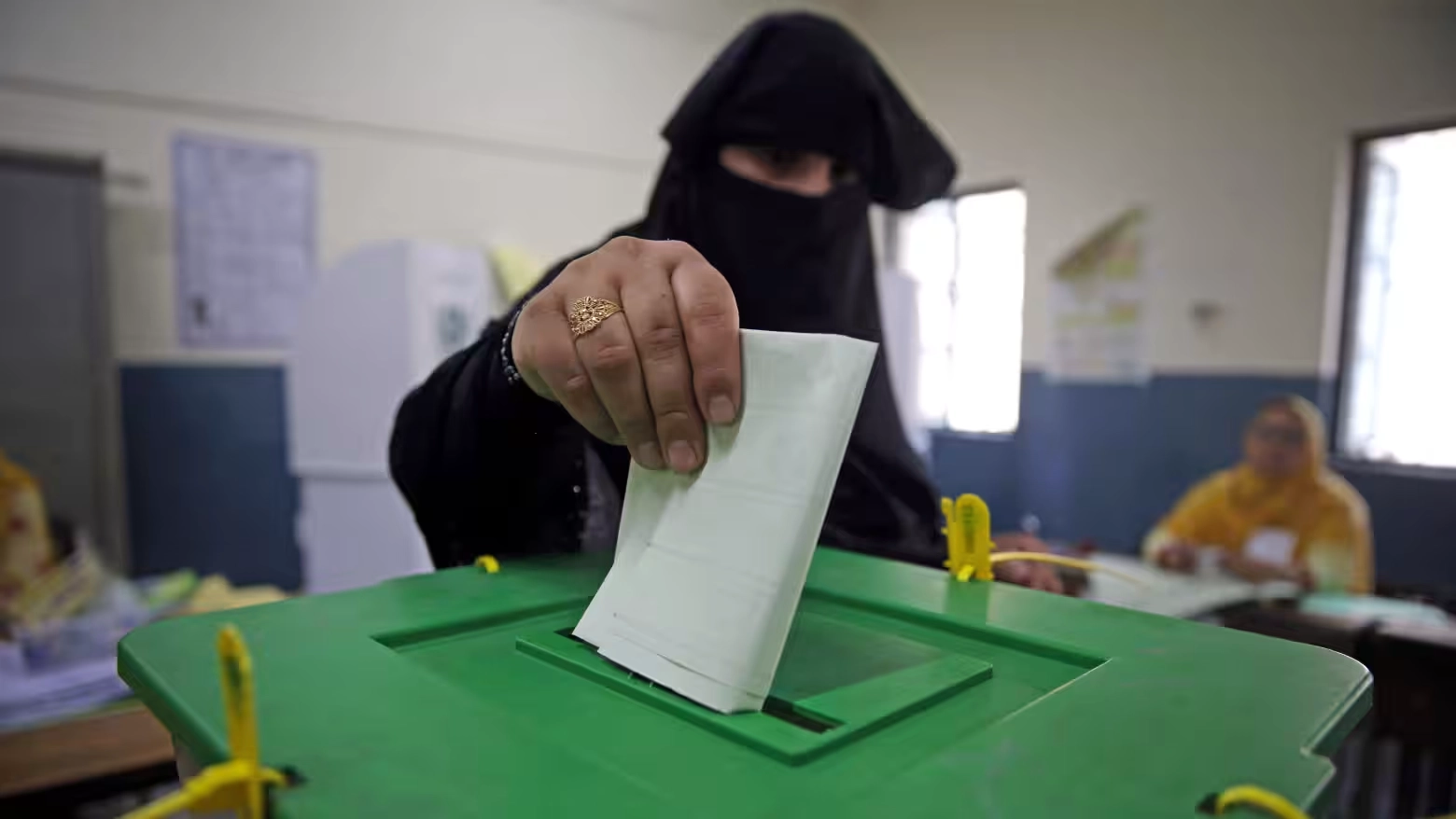
By-elections in Pakistan rarely generate the excitement or political mobilisation associated with general elections. They are traditionally viewed as quieter, low-turnout exercises, technical processes to fill a vacant seat rather than decisive moments in national politics. Yet, the by-elections held over the last several years, particularly in Punjab, have carried far greater political weight. They have reflected evolving voter behaviour, exposed administrative strengths and weaknesses, and revealed the contours of Pakistan’s shifting political landscape.
A Historic Pattern
By-elections in Pakistan generally follow a familiar script. When a seat becomes vacant, often due to death, disqualification, resignation, or court de-notification, the Election Commission is mandated to re-contest it within 90 days. Historically, the ruling party tends to win these polls. The logic is simple: voters prefer continuity, and political parties in power possess better organisational capacity and visibility.
Turnout remains consistently low, a trend dating back to the 1990s. Voters often treat by-elections as peripheral contests, overshadowed by the scale and spectacle of general elections. Limited campaigning, weaker media attention, and the perception that a single seat cannot alter the overall political balance contribute to low participation. Political fatigue, especially in constituencies that face repeated elections due to litigation or disqualification, further depresses turnout.
This context makes the recent by-election results in Punjab particularly notable because they reveal more than the usual pattern of incumbent advantage.
By-Election Shift
The 23 November 2025 by-elections largely involved constituencies that had previously been held by Pakistan Tehreek-e-Insaf (PTI) before becoming vacant due to the disqualifications of several lawmakers. Seats such as NA-18 Haripur, NA-96 Faisalabad, NA-104 Faisalabad, NA-143 Sahiwal, NA-185 Dera Ghazi Khan, along with several Punjab Assembly seats, had originally been PTI strongholds.
The by-election results marked a decisive reversal as the Pakistan Muslim League-Nawaz (PML-N) swept all six National Assembly seats and secured the majority of provincial seats, while the PPP managed only a single provincial win.
In practical terms, constituencies that were once represented by PTI shifted almost entirely into PML-N’s column. The outcome highlights a significant political recalibration showing that when PTI’s representation diminished due to legal setbacks, PML-N’s organizational strength, governance narrative, and voter outreach allowed it not only to fill the vacuum but to convert previously contested or PTI-leaning areas into clear electoral gains.
The results underscore a broader trend: Punjab’s electorate is prioritizing stability, service delivery, and administrative performance over partisan loyalty, especially in mid-cycle elections where ground realities matter more than national rhetoric.
The Governance Factor Under Maryam Nawaz
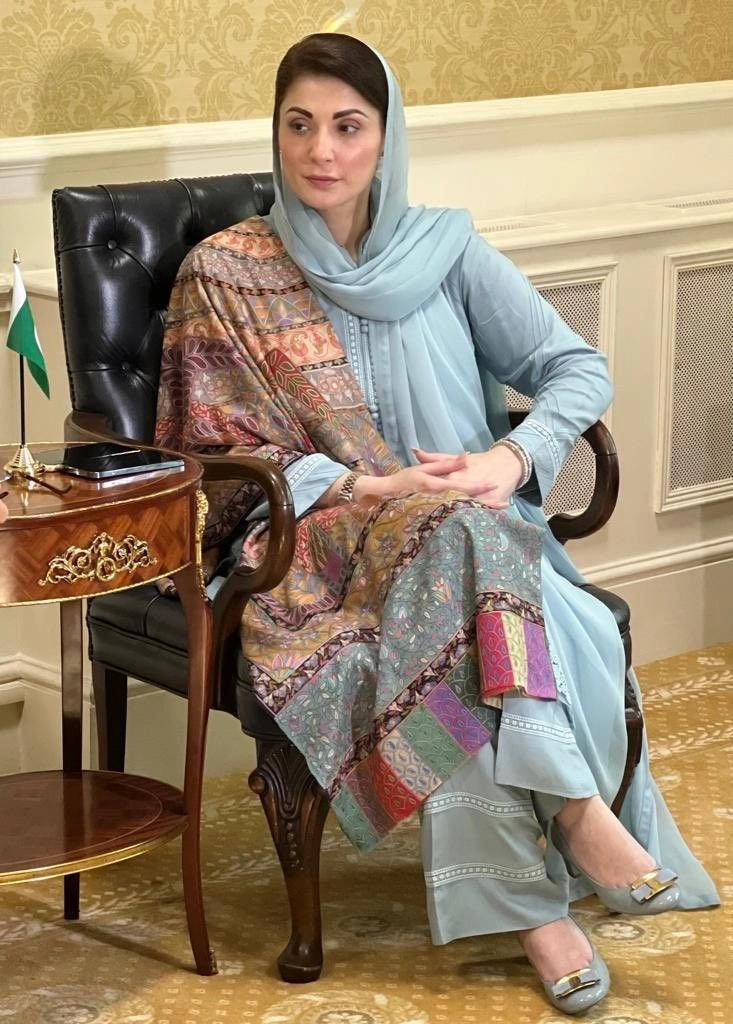
Observers point not only to party loyalty but also to a governance model that has reshaped public perception under Chief Minister Maryam Nawaz. A combination of administrative reforms, local development, law-and-order improvements, and a proactive social sector agenda significantly influenced how voters assessed the provincial government.
Merit-Based Administration
One of the most commonly cited factors is the restructuring of bureaucratic functioning:
- Senior officials, including commissioners, secretaries, DCs/ACs, and police leadership are reportedly appointed on merit.
- Local politicians are barred from interfering in postings, transfers, or administrative decisions unless cleared by the Chief Minister’s office.
This approach, considered rare in Punjab’s history of political patronage, has built a perception of improved governance and reduced corruption. Voters, especially in rural districts, have responded positively to this depoliticisation of state machinery.
“Saf Sutra Punjab”: A Public Service Reset
The flagship cleanliness and sanitation project has expanded from urban centres to rural areas, a major shift in provincial policy. Through hybrid public-private models, the government deployed waste collection, drainage cleaning, and street maintenance even in small villages.
The program earned international attention, with global outlets describing it as one of the largest waste management operations in South Asia. For many communities, these improvements were the first visible sign of consistent service delivery.

Crime Control Department (CCD)
A new authority with wide law-enforcement powers has reportedly reduced crime by 35%, according to local reporting. Notable outcomes include:
- Rapid arrests in murder cases
- Crackdowns on drug mafias and local armed groups
- Faster police response times through new helplines
- Safer mobility for women
For voters, especially in peri-urban and rural constituencies, safer streets often matter more than abstract political arguments—and this shift influenced turnout and voting behaviour.
Land Reforms and Anti-Encroachment Measures
The political impact of this reform is enormous: land conflicts shape rural life in Punjab, and expedited justice has given PML-N a strong advantage in affected constituencies.
Health, Climate, and Social Welfare
Key initiatives include:
- Maryam Health Clinics, focusing on maternal and gynecological care
- Deployment of gynecologists to rural centres
- Introduction of electric buses as part of Punjab’s climate agenda, highlighted internationally
- Programs supporting farmers and low-income households
Collectively, these reforms contributed to a narrative of “visible governance,” a concept that resonates strongly with voters.
Leadership Perception
PML-N’s victories are not solely a result of governance. The party built disciplined campaign teams, reactivated local networks, and reestablished constituency-level mobilisation that had weakened in earlier cycles.
Meanwhile, PTI’s popularity, once formidable, has declined over the past three to four years, according to political observers. In rural Punjab, home to 65% of the province’s population, Maryam Nawaz’s leadership style and visibility significantly enhanced voter confidence.
Opposition Allegations
Opposition parties have alleged government pressure, Election Commission bias, and administrative influence. However, such accusations are a regular feature of Pakistani politics. Participants and analysts argued that these claims surfaced in every electoral cycle, regardless of who was in power, and rarely changed outcomes on their own.
Political Numbers: Where Punjab Stands
The current composition of the Punjab Assembly highlights political dominance. These numbers explain why by-elections serve more as political barometers than potential power shifters.
Punjab Assembly – Seat Distribution (Total 371 Seats)
Major Parties
- Pakistan Muslim League – Nawaz (PML‑N) – 234 seats
- Pakistan Peoples Party (PPP) – 16 seats
Smaller / Allied Parties
- Pakistan Muslim League – Quaid (PML‑Q) – 11 seats
- Istehkam-e-Pakistan Party (IPP) – 7 seats
- Pakistan Muslim League – Zia (PML‑Z) – 1 seat
- Tehreek-e-Labbaik Pakistan (TLP) – 1 seat
- Majlis Wahdat-e-Muslimeen (MWM) – 1 seat
- Independents / Others / Minor Blocs / Small Parties / Coalition-aligned members – ~100 seats
By-Elections as a Mirror of Governance
More than a procedural necessity, Punjab’s by-elections have become a referendum on governance performance. Low turnout may persist, but voter choices are increasingly shaped by service delivery, administrative efficiency, and local security.
In this landscape, Maryam Nawaz’s governance-centric model has emerged as the decisive variable, reshaping political loyalties and redefining what by-elections can reveal about Pakistan’s evolving democracy.
The writer can be contacted at babargorsi@gmail.com