




The quest to remain young and healthy for longer has captivated humanity for decades. Today, longevity clinics and anti-aging innovations are flourishing around the world, promising new ways to extend life. Yet while science searches for breakthroughs in laboratories, researchers studying longevity began to notice something remarkable. There are five such geographic areas across the globe, known as Blue Zones, where population regularly and naturally live beyond the age of one hundred.
Identified by researcher Dan Buettner, these regions include Okinawa in Japan, Sardinia in Italy, the Nicoya Peninsula in Costa Rica, Ikaria in Greece and Loma Linda in California.
What makes the Blue Zone phenomenon so fascinating is not simply how long people live, but how well they live. Many centenarians remain independent, mentally alert, and deeply connected to their communities even in advanced age. For scientists and policymakers alike, the question is no longer just how long we live, but how well we age. Despite their cultural differences, these regions share strikingly similar patterns of life.
The quest to remain young and healthy for longer has captivated humanity for decades. Today, longevity clinics and anti-aging innovations are flourishing around the world, promising new ways to extend life. Yet while science searches for breakthroughs in laboratories, researchers studying longevity began to notice something remarkable. There are five such geographic areas across the globe, known as Blue Zones, where population regularly and naturally live beyond the age of one hundred.
The Protective Biological Mechanisms
Research shows that many centenarians do not fit the usual expectations of aging. Some live with conditions like high blood pressure yet do not develop the heart disease normally linked to it, and others show weakened organs but remain active and independent.
Remarkably, many retain sharp minds, good vision and hearing, and strong mobility well into their nineties and beyond. Some even display blood markers similar to those of much younger individuals.
For scientists, this presents an intriguing paradox as risk factors may exist, yet serious decline is often delayed, suggesting that protective biological mechanisms help buffer the effects of aging.
Seven Factors That Shape Longevity
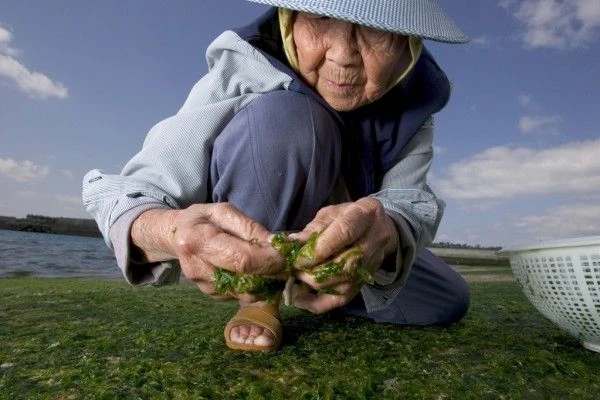
Research on Blue Zones suggests that people who live longer and healthier lives tend to share seven common lifestyle factors that collectively support protective biological, psychological and social mechanisms of aging. While the cultures, environments and traditions of these regions may differ, a consistent pattern emerges across them.
1. A Natural, Balanced Diet: Meals are largely based on whole foods such as vegetables, fruits, grains and legumes, with very little processed food.
2. A Sense of Purpose: Many individuals have a clear reason to wake up each day, whether through work, family responsibilities or community roles.
3. Strong Family and Community Bonds: Close social connections provide emotional support and reduce stress.
4. Moderation in Lifestyle: Daily habits reflect discipline and food is all about joy and sharing.
5. A Healthy Natural Environment: Clean air, spending time in nature and access to fresh food contribute to overall wellbeing.
6. Lower Levels of Chronic Disease: Reduced rates of conditions such as heart disease and dementia have been recorded.
7. Physical Vitality and Mental Sharpness: Many older adults remain physically active, mentally alert and independent well into advanced age.
Together, these factors suggest that longevity is not the result of a single secret, but of a balanced way of life sustained over time.
Beyond the Official List: The Case of Hunza Valley
When these seven factors are examined closely, another region that deserves attention is the Hunza Valley in northern Pakistan. While it has not been formally included among the original Blue Zones, Hunza offers an important South Asian perspective on longevity.
For generations, the valley has been known for the health, vitality and active lifestyles of its people. Visitors frequently noted the presence of older residents who remain physically active, independent and socially engaged well into advanced age.
What makes Hunza particularly relevant to longevity research is that many of the same lifestyle elements identified in Blue Zone communities are also deeply embedded in everyday life there. The traditional diet is largely plant-based and locally sourced; daily life involves natural physical activity due to the mountainous terrain; strong family structures and tight-knit communities provide social support; and cultural values emphasize moderation, resilience and a meaningful role within society.
In addition, the valley’s clean environment, outdoor lifestyle, and close relationship with nature further reinforce many of the conditions associated with healthy aging. Taken together, these patterns suggest that Hunza reflects many of the same foundational principles observed in the world’s recognized longevity regions, making it a compelling case worthy of closer scientific attention.
Key Factors Associated with Hunza Longevity
Research on Blue Zones suggests that people who live longer and healthier lives tend to share seven common lifestyle factors that collectively support protective biological, psychological and social mechanisms of aging. While the cultures, environments and traditions of these regions may differ, a consistent pattern emerges across them.
.. strengthen local markets and urban food systems… Schools can also play a vital role by reducing or eliminating sugary products from canteens and encouraging nutritious alternatives.
Diet Patterns
The traditional Hunza diet is largely plant-based and locally sourced. It includes apricots (fresh and dried), cherries, seasonal fruits, whole grains such as wheat and barley, legumes and locally grown vegetables. There are no processed foods consumed and meat sources are organic with not frequent consumed similar to those observed in other longevity regions.
Active Mountain Lifestyle
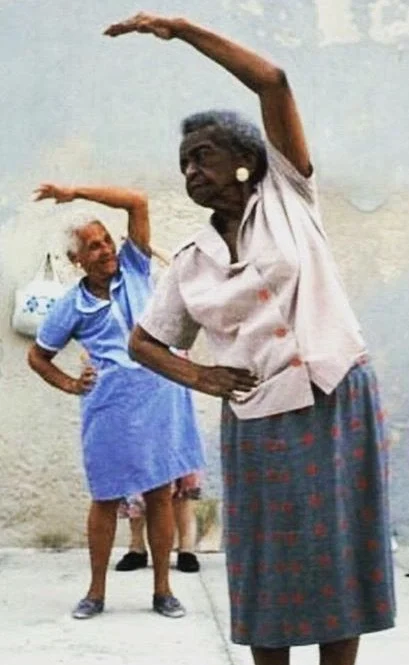
Life in Hunza naturally involves regular physical activity. Farming on steep terrain, walking long distances and manual daily tasks keep residents active throughout their lives. Many elders remain physically mobile and independent well into advanced age.
Environment and Natural Resources
Located in the Karakoram mountains, Hunza benefits from clean air, limited industrial exposure and access to glacier-fed water sources.
Social and Cultural Cohesion
Strong family ties are central to life in Hunza. Communities are close-knit and supportive. Families often live and work together. Shared meals are a common part of daily life. Collective living encourages cooperation and mutual care. This strong social network creates a stable environment. It helps reduce stress and supports long-term wellbeing.
Can We Replicate Blue Zones?
The lessons from Blue Zones raise an important question for modern societies: can the conditions that support long and healthy lives be recreated elsewhere? While these regions developed their lifestyles over centuries, many of their underlying principles can still offer guidance for contemporary communities, cities and workplaces.

Strengthening Local Food Systems
An important step toward healthier communities is improving access to fresh and natural foods. Cities and local authorities can strengthen local markets and urban food systems to ensure the wider availability of fresh fruits, vegetables and traditional produce, making healthier choices more accessible to residents. Schools can also play a vital role by reducing or eliminating sugary products from canteens and encouraging nutritious alternatives. At the community level, promoting home-cooked meals and traditional food practices that emphasize seasonal, natural ingredients can help restore healthier eating habits and support long-term wellbeing.
Positive Urban Actions
Cities and policymakers can actively integrate Blue Zone principles into urban planning. This includes designing walkable neighborhoods, expanding accessible green spaces, and supporting local food systems that encourage healthier lifestyles. Urban environments can be structured to promote walking, cycling, and everyday physical movement, while also creating spaces that foster social interaction and community engagement. Thoughtful city planning can therefore play a powerful role in supporting long-term public health and overall well-being.

Positive Corporate and Institutional Actions
Organizations can actively incorporate Blue Zone principles into the workplace by promoting balanced and healthy lifestyles. Companies can encourage regular movement during the workday, create opportunities for social connection among employees and support mental well-being through thoughtful workplace initiatives. By fostering environments that value wellbeing alongside productivity, institutions can reduce burnout, strengthen teamwork and build healthier work cultures.
What Pakistan and South Asia Can Learn
The lessons from Blue Zones are highly relevant for Pakistan and South Asia. The region still retains traditional practices such as plant-rich diets, strong family networks and community support systems that historically promoted healthier living. However, rapid urbanization and the growing dependence on processed foods and sedentary lifestyles are contributing to rising rates of diabetes, obesity and heart disease.
Despite these challenges, the region has the potential to develop localized “longevity pockets.” By preserving traditional diets, strengthening community bonds, encouraging daily physical activity and promoting walkable cities and local food systems, Pakistan and South Asia can revive many of the lifestyle foundations that support long and healthy lives.

Digital Lifestyles and Emerging Health Concerns
Another emerging lifestyle shift, particularly among younger generations, is the excessive use of smartphones and digital devices. Long hours spent on screens, often in poor posture, are increasingly contributing to spinal problems, neck strain and reduced physical activity. What was once a naturally active lifestyle is gradually being replaced by sedentary screen time. Health experts are now observing a rise in posture related issues, including early signs of spinal misalignment and chronic back pain among young people. Addressing this trend requires greater awareness, encouraging balanced technology use, promoting regular physical movement and ensuring that digital habits do not replace the active, outdoor lifestyles that traditionally supported long-term health.
Practical Takeaways: Habits to Reflect On and Practice
The lessons from Blue Zones and regions like Hunza offer more than interesting observations; they invite us to rethink our own daily habits. Readers can begin by reflecting on small but meaningful lifestyle choices and even journaling about them to build awareness and consistency over time.
Start by paying closer attention to what you eat. Try incorporating more plant-based foods such as vegetables, fruits, whole grains, and legumes into your meals, while reducing highly processed foods and excessive sugar.