



Inspired by the love story we previously published and on the hunt for the Italian legend? Let us help give you a jump start on your journey. It’s safe to say the first thing to do is research, research and then some more research! Read articles, wikipedia posts, look at period correct pictures, manuals and brochures – you know what we mean.
For the beginner, the most common Vespas in Pakistan are the VBB, the Super and the PX. Although there are significantly more rarer ones available too such as the Rally, Grand Sport and Super Sport, we shall focus on saving the common wasp!
Curvaceous and Bodacious – The VBB 150
This is a 150cc large frame scooter made from 1961 – 1965 and is commonly named after its chassis number. The prefix of the frame number is either VBB1T (1961 – 1962) or VBB2T (1963 – 1965) which is stamped under the boot which is to the left of the Vespa if you’re sitting on it. Be sure to check this out.
A period correct specimen should have an engine number stamped VBB1M or VBB2M which is can be found on the engine mount arm. You can hardly miss it.
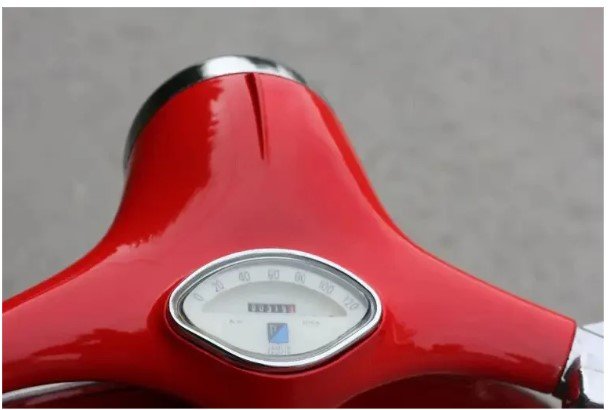
The VBB can easily be identified by its signature rounded engine cowl and boot. Similarly, the front fender is rounded off with no edges while the front light is circular the rear light is the easily recognizable acorn.
Enter the Super
The Super can easily be spotted wearing its bright red underpants over its … wait. Oops. Let’s start again.
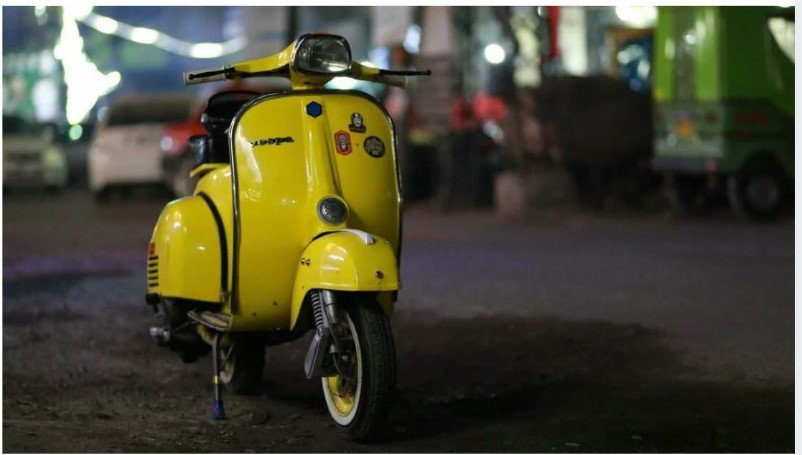
The super follows the same lineage as the VBB with a 150CC engine, the major difference being the body style. The cowl, boot, front fender and headlight were all squared off as the curvy body was ditched for the advent into the 70s. Suffice to say, this is the most common body style you will come across in your hunt for the Vespa and if restored correctly, it definitely is a looker!
The Super was produced from 1965 to the end of the 1970s after which the Pakistani love for the Vespas was so overwhelming, plans to start an assembly plant in Azad Kashmir were drawn up.
The P body!
As the global Vespa boom rose steadily throughout the 1970s, this saw Piaggio introduce a new body known as the P, which would become the foundation for the PX Vespas which were so iconic, the exact same body style ran till 2015, when production of the two-stroke scooter by Piaggio sadly ceased.
The first couple of years of Vespa production in Pakis-tan saw Supers and P bodies being assembled after being imported as knocked-down units. The chassis and engine numbers were stamped in Pakistan and you will not find a lot of information of these on the internet.
As the global Vespa boom rose steadily throughout the 1970s, this saw Piaggio introduce a new body known as the P, which would become the foundation for the PX Vespas which were so iconic, the exact same body style ran till 2015, when production of the two-stroke scooter by Piaggio sadly ceased. The first couple of years of Vespa production in Pakistan saw Supers and P bodies being assembled after being imported as knocked-down units. The chassis and engine numbers were sta-mped in Pakistan and you will not find a lot of informa-tion of these on the internet.
Buyer Guide – Things to notice
Regardless of the model you have set your eyes on, there are a few common things that you should keep in mind before making your purchase.
Body and rust – Stamped frames of the Vespa are prone to rust around the floor and the rear mudguard. Although not a deal killer, it would add to the denting and fabrication expenses once you start restoring it. Further, steering column wobble and vibration is also common and is usually the sign of a damaged column or faulty repair.
Engine – Two stroke motors, although naturally noisy, are incredibly robust and will run forever if you take good enough care of them. That said, notice for vibration, any rattle or metallic sounds after shifting into all gears. Engine rebuilds can be expensive if done right and engine trouble just kills the fun of owning such a run-about machine.
Papers – Check and match engine and chassis numbers to online data repositories to correctly identify the model and determine if the engine is period correct as almost all vespa engines are interchangeable. (that being said, some people prefer to put the more reliable P body engines in the VBB to create the ultimate mix of looks and performance)
Prices and restoration – Prices of the VBB and the super which require a thorough restoration range between 15 to 40 thousand rupees and restoration jobs can range from 50 to 200 thousand rupees depending on the quality of paint, workmanship and parts.
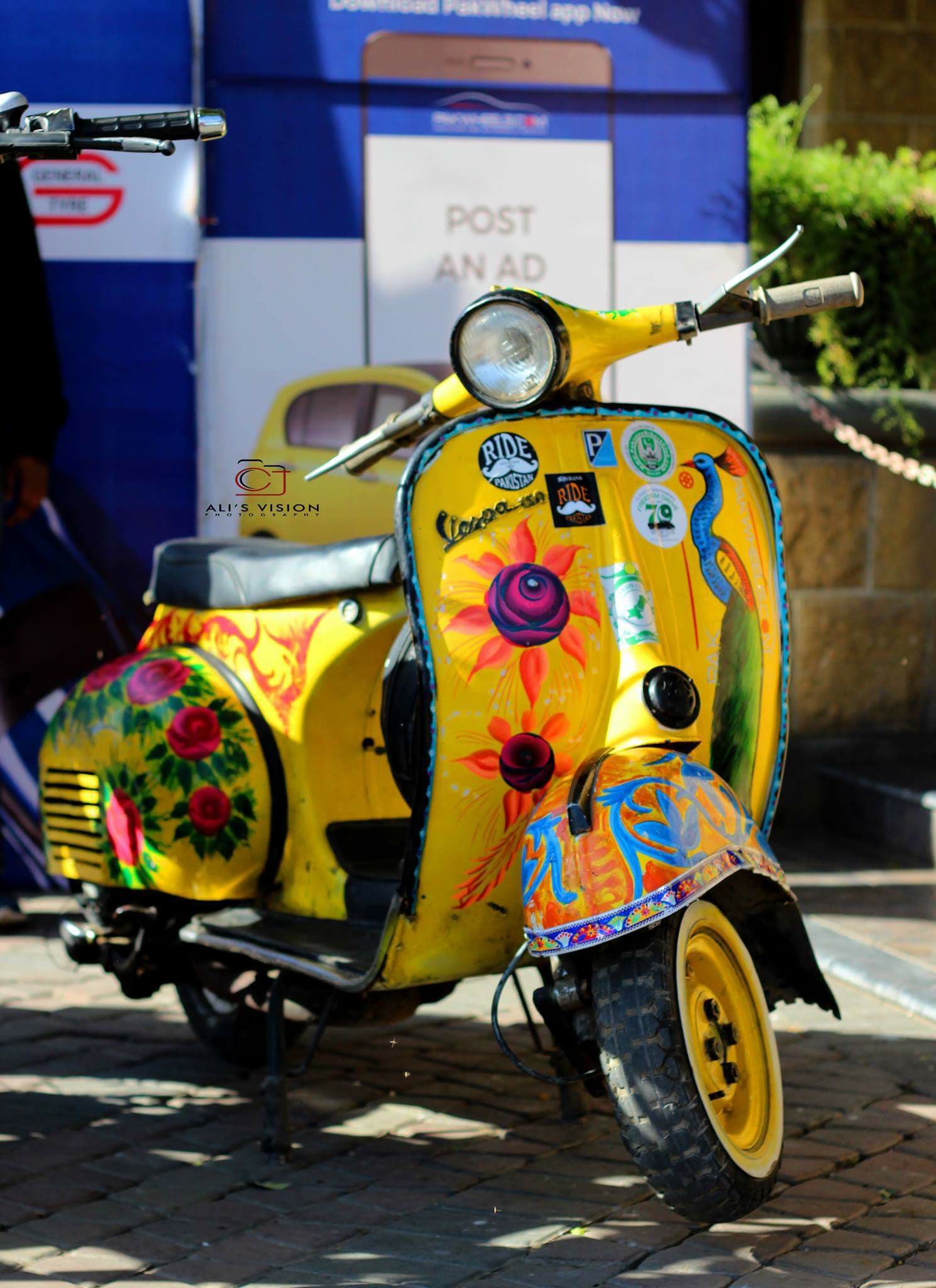
Vespas were also big in the mods and hippies scene in Europe in the 1960s and lots of Pakistani guys customized their scooter to pay homage to the more flowery days of the 20th century.
As an ending note, research, don’t accept everyone’s word on any Vespa as final (lots of swindlers out there), reach out to the Vespa clubs and be involved in the restoration process as much as possible to make sure you build the ultimate smoker.
The writer can be reached at haris998@gmail.com