



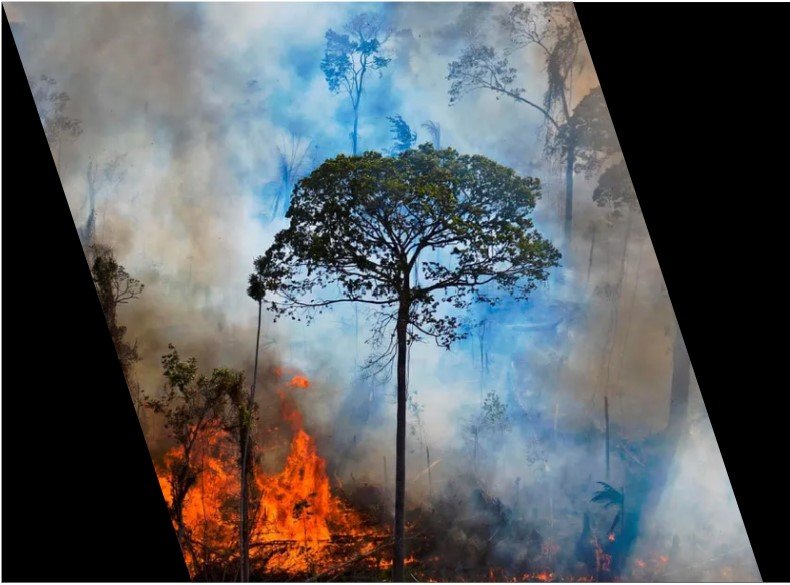
The environmental impact of war extends far beyond combat zones, traveling silently through air, water and soil across national borders. Pollution from military conflicts seeps into shared waterways, drifts on atmospheric currents and degrades ecosystems in neighboring regions. Nowhere is this more evident than in the unfolding United States-Israel-Iran war, whose ecological footprint is already stretching far beyond the immediate theatre of conflict, threatening global ecosystems, food security and public health.
The U.S.–Iran War: An Unprecedented Environmental Footprint
The ongoing US-Iran conflict, which escalated in early 2026, has inflicted a profound toll on the environment and climate. Remote sensing and environmental monitoring confirm that military operations have damaged oil installations, industrial facilities and urban infrastructure, releasing vast quantities of pollutants into the air, soil and water.
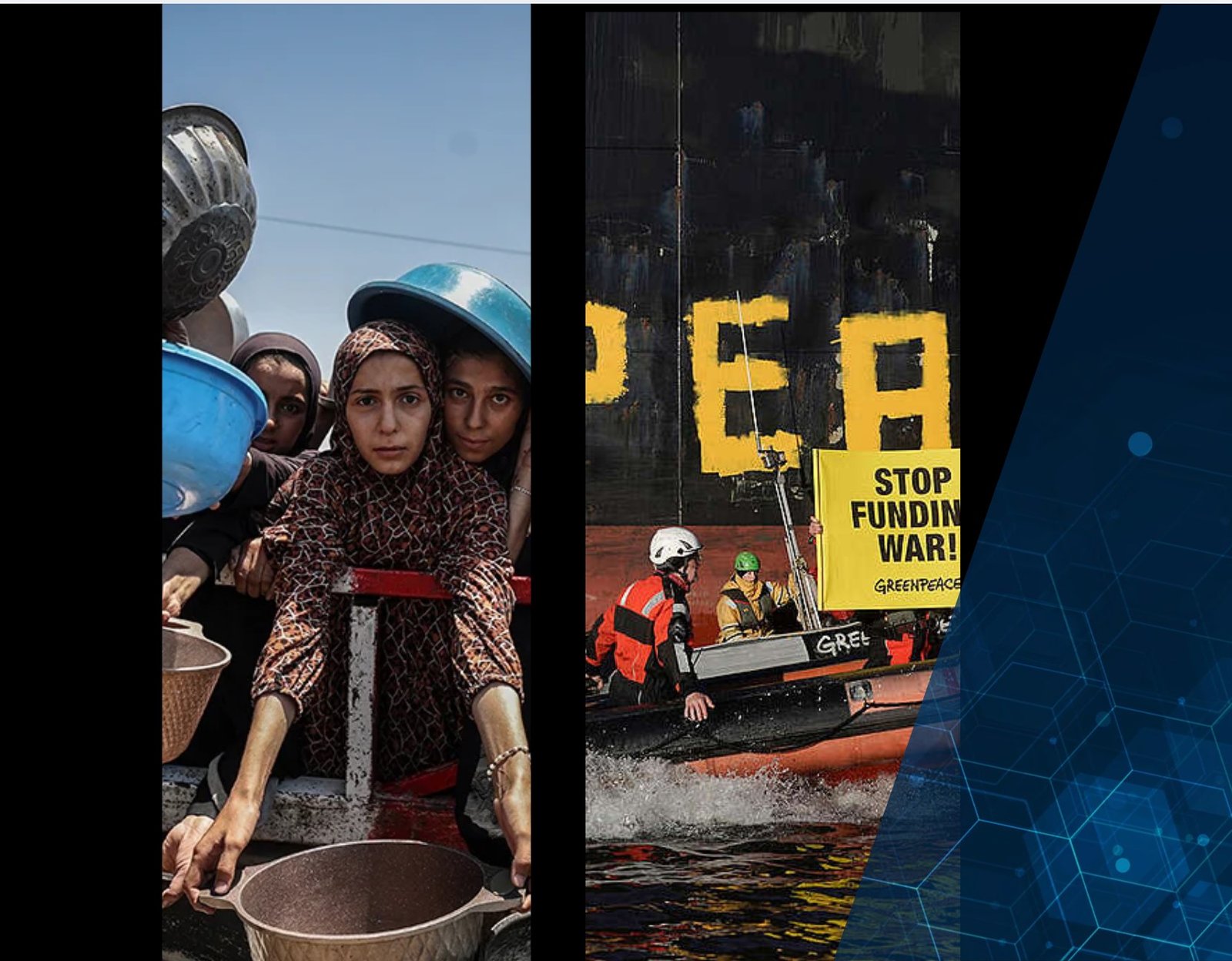
The UN Environment Programme (UNEP) has warned that strikes on oil facilities near major cities like Tehran emitted hazardous smoke and particulates, posing serious risks to human health and ecological systems across the region.
According to a Climate and Community Institute analysis reported by The Guardian, over the first 14 days of the conflict, more than 5 million tonnes of CO₂ were released, equivalent to the annual emissions of the 84 lowest-emitting countries combined. These emissions originated from destroyed infrastructure, fuel depot fires and intensive military operations, underscoring war’s immediate effect on greenhouse gas emissions and climate change targets.
Beyond greenhouse gases, explosive detonations, industrial fires and burning hydrocarbons emit heavy metals, sulfur compounds, soot and other toxic substances. Environmental experts have documented instances of black rain over Tehran, a phenomenon where airborne pollutants condense with precipitation, depositing toxins onto soils and water far from the original source.
UNEP also highlights that munitions use introduces heavy metals and toxic chemicals into soils and water systems, which can accumulate and travel across borders through natural processes.
Harm Spreads Across Borders
The transboundary nature of war pollution is well documented:
Airborne pollutants: Winds can carry smoke, particulate matter and toxic compounds hundreds of kilometers.
Water pathways: Rivers, aquifers and seas distribute contaminants to neighboring countries.
Soil and groundwater contamination: Heavy metals and explosive residues persist in soils and leach into shared groundwater systems, affecting both ecosystems and human populations.
Historical and ongoing conflicts demonstrate how localized environmental damage quickly becomes a regional ecological crisis.
Gaza’s Case Sewage & Pollution
The conflict in Gaza provides a clear example of transboundary environmental damage. UNEP’s Preliminary Assessment revealed unprecedented pollution from the destruction of sanitation and wastewater infrastructure. Nearly all wastewater treatment facilities were rendered inoperative, contaminating soils, water resources and marine environments.
The Coastal Aquifer and the Mediterranean Sea, shared with neighboring countries, are under threat. UNEP noted that polluted freshwater systems and compromised vegetation contribute to rising infectious diseases, reduced food and water security and long-term ecological degradation. Rubble containing asbestos, heavy metals and toxic materials further exacerbates the environmental risk, showing that ecological damage in Gaza is not confined to local borders.
Lebanon’s Oil Spill
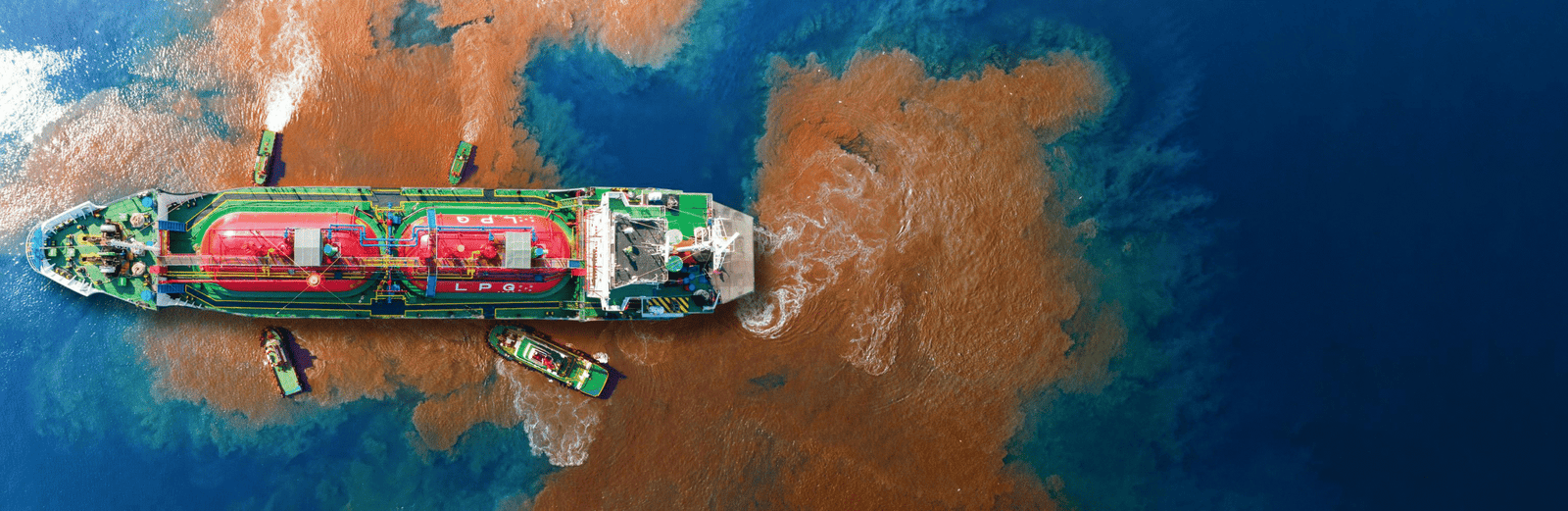
Historical precedent confirms the cross-border impact of war pollution. During the 2006 Israel-Lebanon war, air strikes on the Jiyeh Power Station released up to 30,000 tonnes of heavy fuel oil into the Mediterranean. The resulting oil slick spread over 170 kilometers of coastline, contaminating waters and beaches in Lebanon and affecting neighboring countries.
This disaster illustrated how coastal and marine ecosystems propagate pollution across regions, impacting marine life, fisheries and coastal economies long after hostilities have ended.
..2006 Israel-Lebanon war, air strikes on the Jiyeh Power Station released up to 30,000 tonnes of heavy fuel oil into the Mediterranean. The resulting oil slick spread over 170 kilometers of coastline..
Ukraine’s Industrial Pollutants
Although assessments are ongoing, the Ukraine conflict has caused significant industrial pollution and ecosystem stress. Shelling of factories, energy facilities and transport networks has released toxic substances into the air, water and soil, which can spread through river systems and atmospheric currents to neighboring regions.
Although assessments are ongoing, the Ukraine conflict has caused significant industrial pollution and ecosystem stress. Shelling of factories, energy facilities and transport networks has released toxic substances into the air, water and soil, which can spread through river systems and atmospheric currents to neighboring regions.
Soil contamination from explosives, heavy metals and industrial chemicals can persist for decades, threatening agriculture, groundwater systems and cross-border ecological stability.
Shelling of factories, energy facilities and transport networks has released toxic substances into the air, water and soil, which can spread through river systems…heavy metals can harm human health and ecosystems for generations.
Shared Consequences
The global consequences of war-related environmental damage are multifaceted:
. Public Health Risks: Exposure to airborne toxins, contaminated water and polluted soils increases respiratory illness, waterborne disease and chronic health issues.
. Ecosystem Damage: Biodiversity declines as habitats are poisoned or destroyed, while shared marine and freshwater systems degrade.
. Food and Water Security: Polluted soils and water threaten agricultural production and critical freshwater supplies.
. Long-Term Ecological Liability: Persistent pollutants like heavy metals can harm human health and ecosystems for generations.
These consequences are transboundary, affecting neighboring populations and ecosystems far from the conflict zone.
The Global Cost of War
The environmental footprint of modern conflicts, including the US-Iran war, underscores a sobering reality: environmental damage from warfare is inherently transboundary. Through atmospheric transport, shared waterways and soil contamination, the ecological consequences of war ripple across borders, affecting multiple nations simultaneously.
Addressing this crisis requires international cooperation, robust environmental protections during armed conflict and post-conflict remediation strategies. Understanding the environmental impact of war is critical not only for safeguarding human health but also for protecting shared ecosystems, biodiversity and global ecological stability.