




In Pakistan, over 112 million minors inhabit a na-tion whose potential depends on their wellbe-ing. Yet, for too many, childhood is not a time of learning, play, and growth; it is a period shadowed by violence, exploitation, and neglect. From physical and psychological abuse to sex-ual assault, child labour, trafficking, and deprivation, cou-ntless young lives are marked by trauma that can leave irreversible scars.
The Ministry of Human Rights (MoHR), in collaboration with the World Health Organization (WHO), launched a nationwide consultation process to craft the country’s first Strategic Action Plan on Violence Against Children. Beginning in Karachi, Islamabad, and culminating the Ministry of Human Rights (MoHR), in collaboration with the World Health Organization (WHO), launched a nationwide consultation process crafted in Islamabad in December 2025, and culminated in Lahore in January 2026. These consultations brought together policymakers, child protection experts, provincial representatives, and civil society actors, all unified by a singular purpose: to create a coordinated, evidence-based framework capable of preventing violence, responding decisively to it, and ensuring accountability for perpetrators.
The initiative signals more than bureaucratic reform. It reflects a recognition that Pakistan’s existing efforts, often fragmented and reactive, must evolve into a national, multisectoral movement grounded in international best practices, robust institutions, and measurable outcomes.
The Urgency Behind the National Plan
The scale of child vulnerability in Pakistan is stark. Only one in three children under five are registered at birth, leaving millions outside the protective reach of legal and social frameworks. Marginalized groups, particularly displaced families, migrants, and urban informal settlements, face heightened risks of trafficking, exploitation, early marriage, and forced labour.
Globally, the situation is equally alarming. One billion children endure physical, sexual, or emotional violence annually. Every five minutes, a child dies due to preventable violence. According to WHO Representative Dr. Luo Dapeng, “These deaths are preventable,” underscoring the moral and developmental imperative to act.
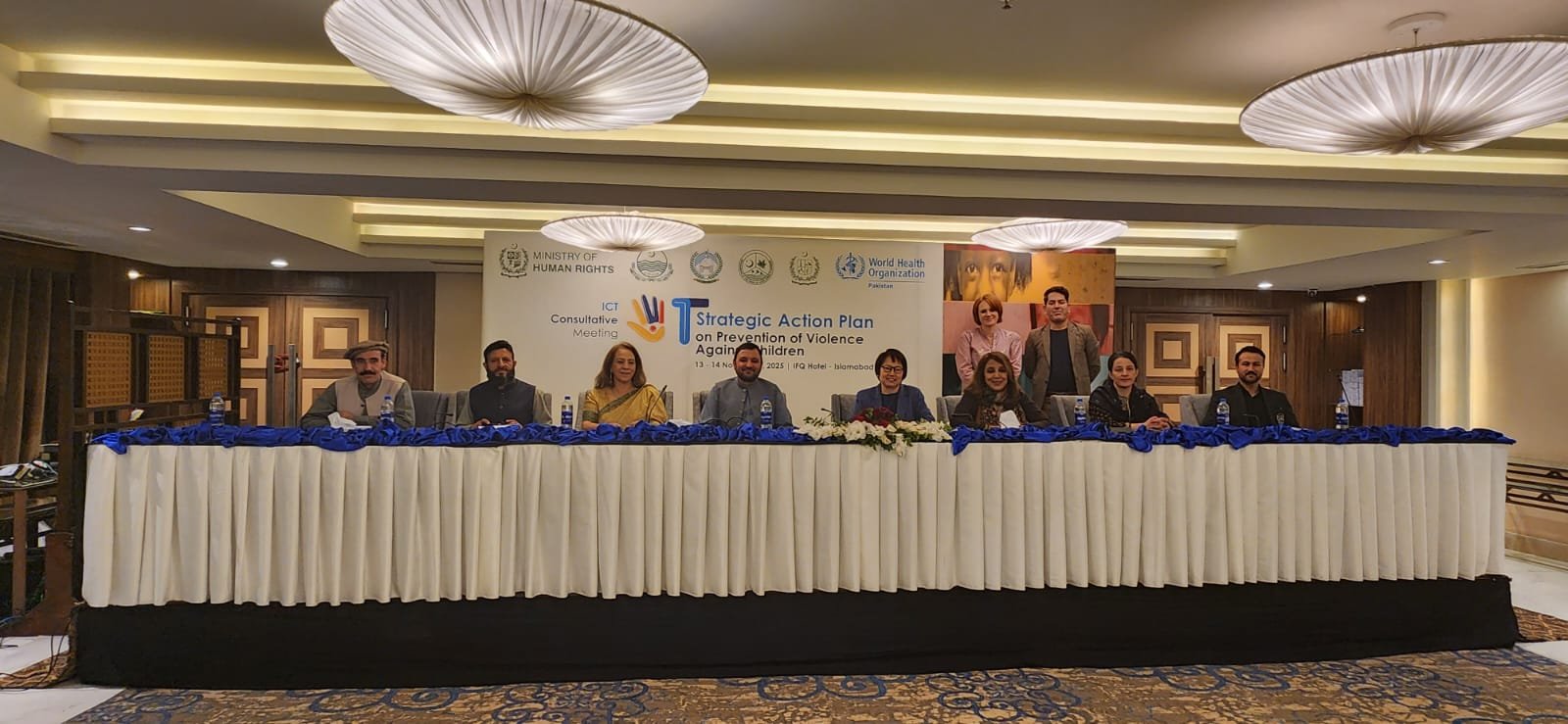
The forthcoming Strategic Action Plan seeks to confront this crisis head-on. Guided by the UN Convention on the Rights of the Child and the internationally recognized INSPIRE framework, a set of seven evidence-based strategies developed by ten global agencies under WHO leadership, the plan offers a roadmap to reducing violence through legal reform, safe environments, life skills education, and coordinated institutional response.
Provincial Leadership: Learning from Punjab
While the national strategy is still being shaped, provincial initiatives demonstrate what effective child protection systems can look like in practice. Punjab’s Child Protection and Welfare Bureau (CPWB) provides a model for structured, comprehensive intervention. Established under the Punjab Destitute and Neglected Children Act (PDNCA), the Bureau embodies an integrated approach to rescue, rehabilitation, and protection.
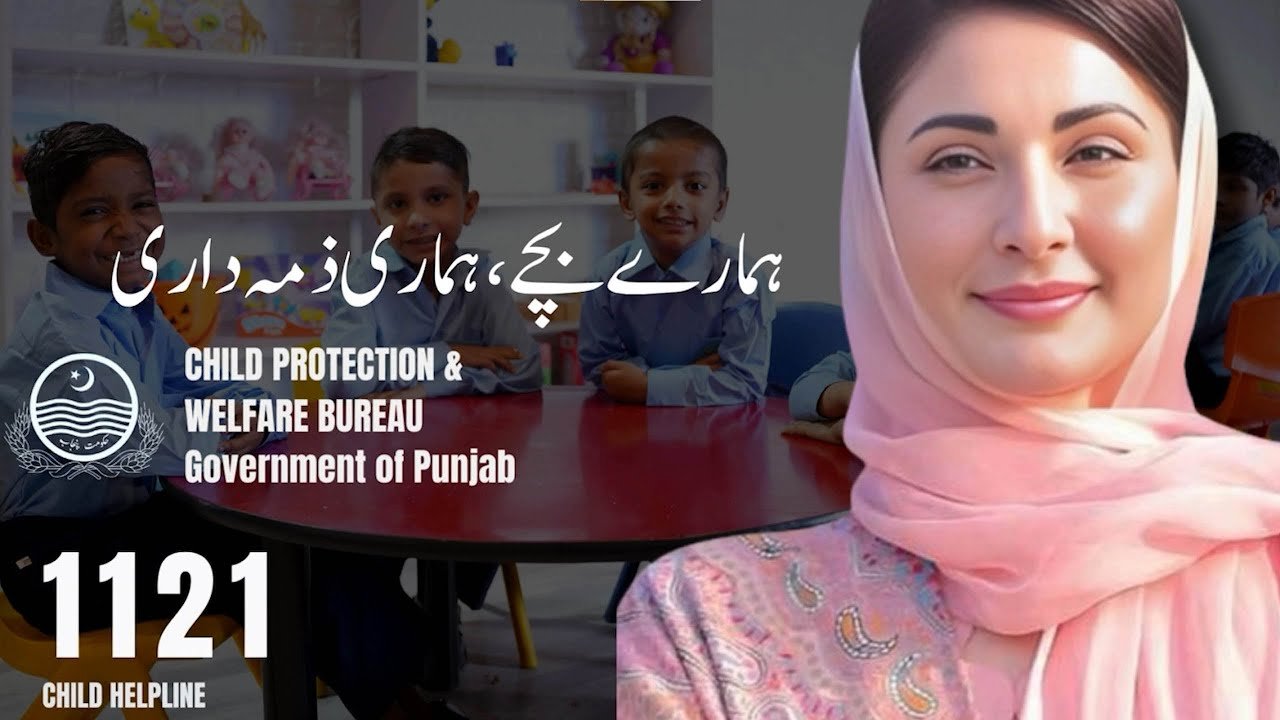
At its helm sits a Board of Governors, chaired by the Chief Minister and supported by senior secretaries from Home, Social Welfare, and Local Government departments, alongside representatives from both treasury and opposition benches. This governance structure ensures that child protection remains apolitical, guided by expertise, oversight, and interdepartmental coordination.
Punjab has also prioritized prevention. Partnering with UNICEF, the province launched a Prevention Package involving parent education, school-based awareness sessions, community engagement, and clear reporting mechanisms. In October alone, 15 structured sessions reached students, parents, and local stakeholders, highlighting a proactive approach to reduce vulnerability before abuse occurs.
Punjab’s approach operates through three main pillars:
Child Protection Units (CPUs) – Multidisciplinary teams comprising social workers, psychologists, law officers, and medical professionals respond to the 24/7 Child Helpline 1121, conduct rescues, and provide counseling.
Child Protection Courts – These courts can grant custody within 24 hours, ensuring swift judicial intervention.
Child Protection Institutions (CPIs) – Residential facilities provide safe shelter, education, healthcare, vocational training, and recreational activities until children reach adulthood.
In Rawalpindi, the Bureau has rescued over 13,800 children, including abandoned newborns, victims of exploitation, and children forced into begging or rag-picking. The PDNCA, strengthened in 2017, imposes strict penalties for violations, reflecting a serious legal commitment to child welfare.
Punjab’s model demonstrates a blueprint for coordinated, legally backed, community-focused child protection, balancing rescue, rehabilitation, and preventive measures.
Expanding Protection: Other Provincial Efforts
While Punjab provides a strong model, other provinces and regions have adapted frameworks suited to their unique contexts.
Khyber Pakhtunkhwa (KP) operates under the Child Protection and Welfare Act, overseen by the Child Protection Commission. With CPUs in 21 districts, supported by special response teams where units are absent, KP has implemented child protection courts and a 1121 helpline, recording over 34,000 cases. Community committees and trained personnel strengthen early detection and response, although scaling and resource allocation remain ongoing challenges.
Gilgit-Baltistan (GB) faces geographic and demographic hurdles. To tackle the cases of abuse, kidnapping, and family disputes, GB has established social protection policies and Darul Aman facilities for children, rescuing around 100 street children through education, stipends, and vocational programs. Yet enforcement remains weak; resources are limited, and pending legislation, such as the Child Registration Act, delays comprehensive protection.
Azad Jammu and Kashmir (AJK) boasts a structured legal framework, including the Child Protection Policy 2010, Child Protection Rights and Care Act 2016, Bonded Labour Abolition Act 2017, and Juvenile Justice System Act 2001. The Special Child Protection Unit, operational since 2023, provides counseling, temporary shelters, and a 1121 helpline. Between 2023 and September 2025, it documented 23 cases of abuse. Challenges persist, including budget constraints, staffing gaps, weak coordination, and cultural taboos.
Across Pakistan, common pillars define child protection frameworks: legal enforcement, rapid response via helplines and courts, rehabilitative services, preventive education, and community engagement. While provincial successes like Punjab demonstrate potential, resource constraints, cultural barriers, and coordination gaps remain hurdles to nationwide effectiveness.
Toward a National Commitment
Child protection is not the responsibility of a single ministry. Schools, hospitals, law enforcement, local governments, digital platforms, civil society, religious leaders, and families all share a role in creating an environment free from violence. The current consultations between MoHR, WHO, provincial governments, and experts are the first steps in what must become a sustained, nationwide movement.
The INSPIRE framework provides a scientifically tested roadmap, while provincial models offer practical lessons in governance, legal enforcement, and community-based prevention. International partners supply technical and financial support, but the ultimate moral responsibility rests with Pakistan.
A well-funded, unified strategy can transform the country: improving child safety, mental health, education, social stability, and economic productivity. Protecting children is not just a moral imperative; it is a strategic investment in Pakistan’s future. As Abdul Khalique Shaikh, Federal Secretary at MoHR, said, “Fragmented efforts must now evolve into a cohesive, national, multi-sectoral strategy.” The plan will outline clear institutional responsibilities, measurable targets, and a robust monitoring and evaluation framework to ensure tangible impact.
The time for decisive, coordinated action is now. Pakistan’s children cannot wait.