


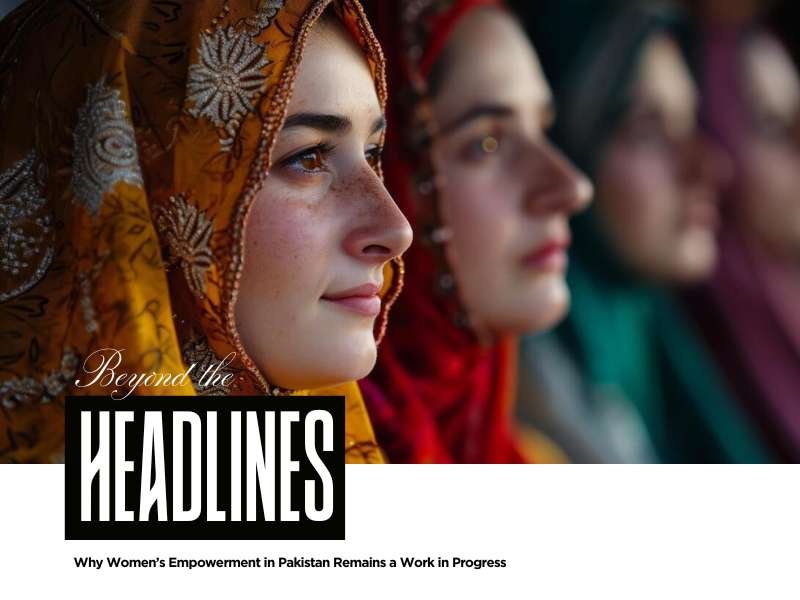
Why Women’s Empowerment in Pakistan Remains a Work in Progress
Women’s empowerment in Pakistan is often presented through inspiring narratives and celebratory milestones. Images of women graduating from universities, leading organizations, and serving in public office suggest a country steadily advancing toward gender equality. These achievements are real and meaningful, but they represent only part of a much more complex story.
Behind visible progress lies a reality shaped by uneven access to education, limited economic opportunity, gaps in legal enforcement, and deeply embedded social norms. Women’s empowerment in Pakistan is not a simple success story but a gradual and often contested transformation. Understanding this process requires moving beyond rhetoric and examining the evidence.
Pakistan’s experience reflects both forward movement and persistent barriers. Empowerment is advancing, but it remains incomplete.
The Reality Behind the Numbers
Global indicators highlight the scale of the challenge. According to the World Economic Forum Global Gender Gap Report (2023), Pakistan ranked 145 out of 146 countries in gender parity, reflecting deep inequalities in economic participation and political empowerment.
Female labor force participation remains between 21 and 23 percent, compared to over 80 percent for men (World Bank, 2022). These figures reveal a structural imbalance in economic opportunity. When half the population participates at such limited levels in formal economic activity, empowerment cannot be considered fully realized. Statistics illustrate not only inequality but also untapped national potential.
Education as the Foundation of Change
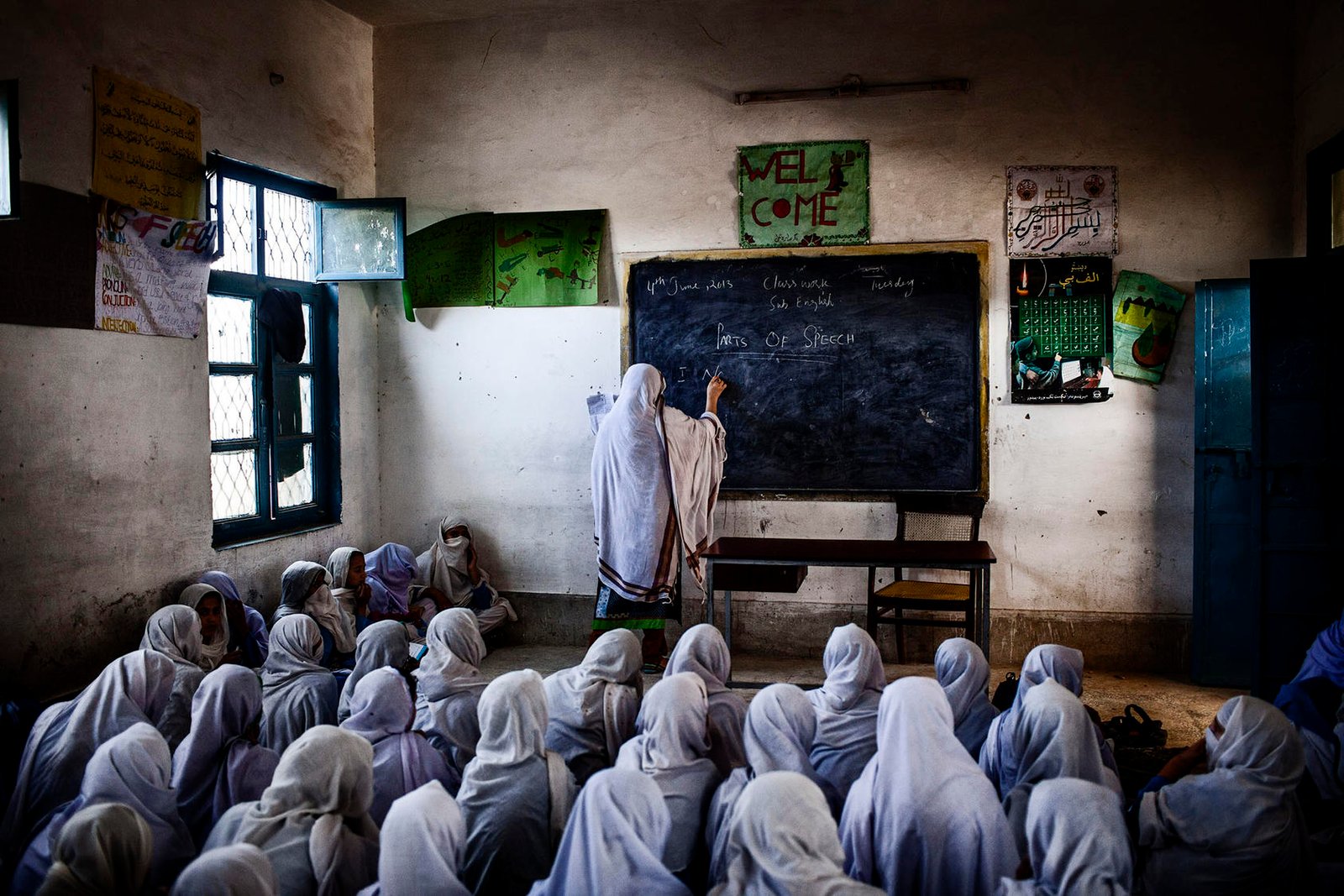
According to the Pakistan Bureau of Statistics (2021), the literacy rate for women aged 15 and above stands at approximately 48 percent, compared to about 70 percent for men, with wider gaps in rural areas. Thus, education remains the most powerful driver of women’s empowerment in Pakistan. Research highlighted by UNESCO (2022) shows that educated women marry later, have healthier children, and participate more actively in economic and civic life.
Despite progress, access remains uneven. UNICEF (2020) estimates that millions of Pakistani girls remain out of school, particularly in rural Sindh and Balochistan. Poverty, early marriage, infrastructure gaps, and safety concerns continue to restrict attendance.
Economic Participation and Invisible Contributions
Across Pakistan, women contribute to household economies through agriculture, small enterprises, domestic work, and home-based production. Much of this labor remains informal and unrecorded, creating a form of statistical invisibility.
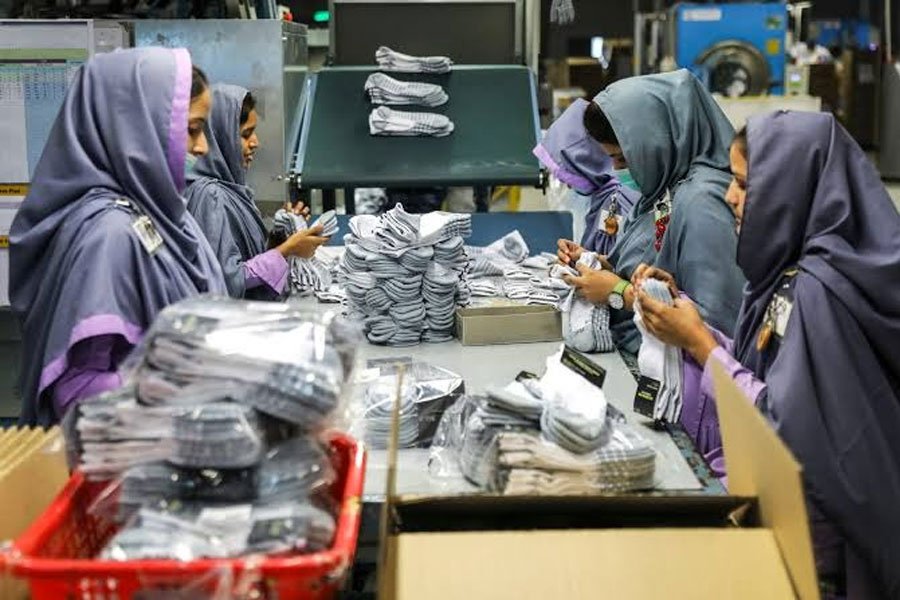 According to the Pakistan Social and Living Standards Measurement Survey (2021), a large proportion of rural women work in agriculture, yet women’s land ownership remains below 5 percent nationally. Limited asset ownership reduces long-term security and economic autonomy.
Economic independence is central to empowerment. When women earn income, their influence within households tends to grow, strengthening financial stability and resilience..
Research by the International Labour Organization (2021) shows that women’s earnings significantly contribute to poverty reduction and household stability, particularly in lower-income communities.
Low participation in formal employment reflects broader constraints including mobility limitations, workplace safety concerns, and limited childcare support.
Digital Opportunities and Financial Inclusion
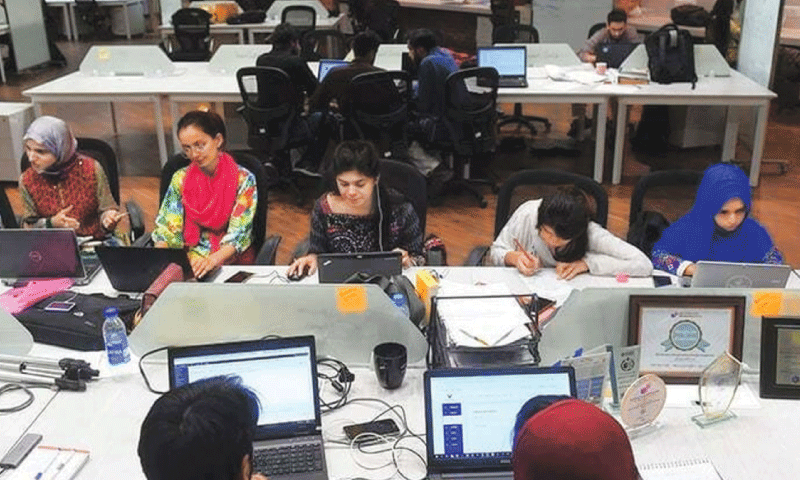
According to the State Bank of Pakistan (2022), women-led online businesses and digital entrepreneurship have grown steadily, particularly in clothing, tutoring, and service-based sectors. Online businesses, freelance services, and digital marketplaces have enabled many women to generate income while working from home.
Financial inclusion has expanded alongside digital access. Mobile banking and branchless banking services have made it easier for women to manage income and savings. However, financial literacy gaps and limited access to formal credit continue to constrain business growth. Digital progress has created important opportunities, but access remains uneven across regions and income groups.
Political Representation: Visible Gains, Structural Limits
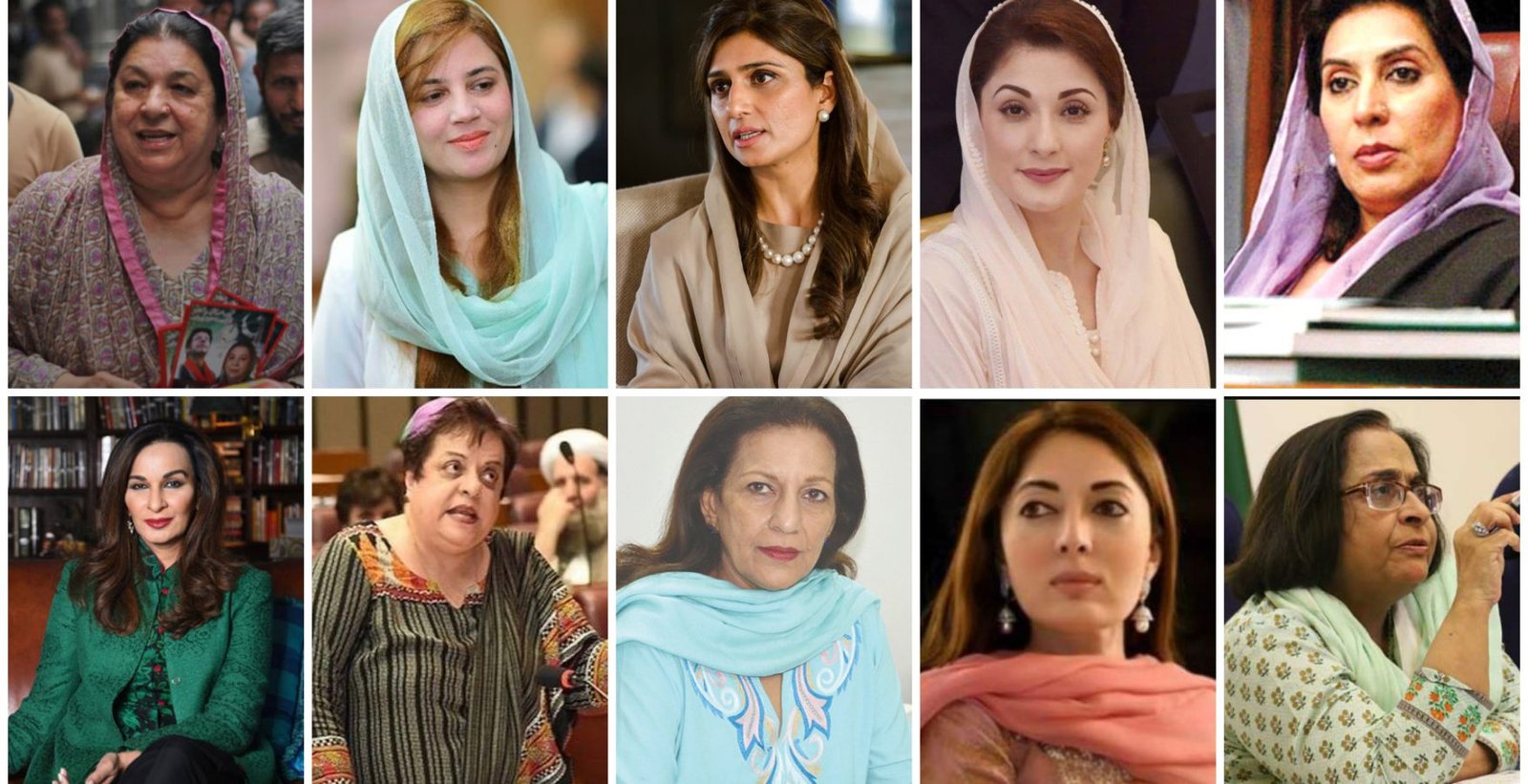
Women’s political representation represents one of Pakistan’s more visible areas of progress. Pakistan reserves approximately 17 percent of parliamentary seats for women, ensuring representation in national and provincial legislatures (Inter-Parliamentary Union, 2022).
However, representation alone does not guarantee broad-based empowerment. Many representatives enter legislatures through party nomination rather than direct election, limiting grassroots accountability in some cases. Participation at the local level continues to face resistance in some regions.
Moreover, women contesting general seats remain a small fraction of total candidates, and participation at the local level continues to face resistance in some regions, with political parties often fielding only a low percentage of women candidates for general seats, below mandated thresholds.
Health and Personal Autonomy
Health indicators provide another important perspective on empowerment. Maternal mortality rates in Pakistan have declined over the past two decades due to improved healthcare access and vaccination programs.
However, disparities between urban and rural areas remain significant. According to the World Health Organization (2021), access to maternal healthcare continues to vary widely across regions. Women’s ability to make independent healthcare decisions often depends on education, income, and mobility.
Cultural Expectations and the Double Burden
In many households, women balance professional roles with primary responsibility for childcare and domestic work. Time-use surveys conducted by the Pakistan Bureau of Statistics (2020) show that women spend significantly more hours on unpaid domestic labor than men.
Employment alone does not ensure empowerment if domestic responsibilities remain unequally distributed. Sustainable gender equality requires balance both at home and in the workplace.
Laws and Their Implementation
Legislation addressing workplace harassment, domestic violence, and online abuse reflects increasing institutional recognition of gender-based challenges in Pakistan. These legal protections represent meaningful progress and signal a national commitment to women’s rights.
Yet implementation remains inconsistent. According to Human Rights Watch (2021), many cases of harassment and domestic abuse go unreported due to stigma, fear of retaliation, and limited trust in institutions. Conviction rates remain low. Laws provide a framework for empowerment, but enforcement determines their impact.
Urban and Rural Divides
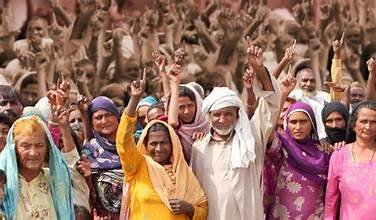
Women’s experiences vary widely across Pakistan. Urban areas show visible shifts in gender roles, with women increasingly active in education and professional sectors. Rural areas often experience slower structural change due to poverty, infrastructure gaps, and traditional practices. According to the World Bank (2021), empowerment strategies must be locally adapted to address regional differences rather than applying uniform national solutions.
The Digital Sphere: Voice and Vulnerability
The digital sphere has expanded opportunities for participation in public life. According to UN Women (2021), online platforms have amplified women’s voices in discussions about harassment, workplace discrimination, and social reform.
At the same time, digital risks remain significant. Surveys by the Digital Rights Foundation (2022) indicate that a large proportion of Pakistani women journalists, activists, and public figures experience online harassment. Digital empowerment therefore, requires digital protection.
The Road Ahead
Women’s empowerment is a multidimensional process involving education, economic opportunity, legal protection, health autonomy, and social recognition. It is not a symbolic commitment or a seasonal campaign. It is a long-term societal transformation, which also includes dignity, the ability to make choices freely and live without fear.
Pakistan’s trajectory reflects both progress and resistance. Educational gains coexist with economic disparities. Legal reforms coexist with enforcement gaps. Urban transformation coexists with rural inequality.
The path forward requires sustained investment in girls’ secondary education, safe transport systems, accessible childcare, workplace protections, and digital safety reforms.
The question is no longer whether Pakistani women are capable. The evidence already provides the answer. The real question is whether institutions and social systems are prepared to match women’s potential with equal opportunity.
When empowerment becomes ordinary rather than exceptional, when safety is guaranteed rather than negotiated and participation becomes universal rather than selective only then will the journey reach maturity.
Until then, progress must continue, steady, evidence-based, inclusive, and sustained.
The writer can be reached at sehrish.aslam@s3h.nust.edu.pk