



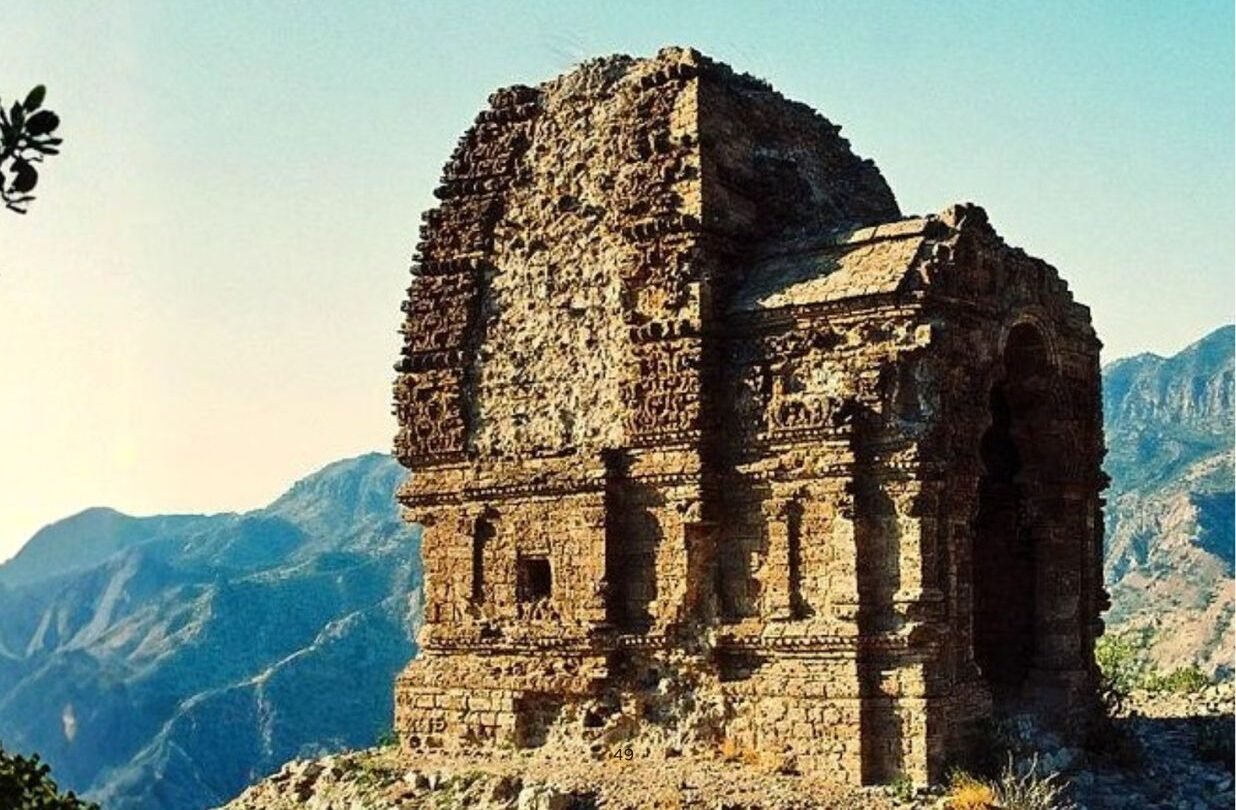
A Hidden Treasure in the Soon Valley
Perched on a rocky hill overlooking the picturesque. Soon Valley in Punjab’s Salt Range, the Amb Temples stand as one of Pakistan’s most remarkable yet overlooked archaeological treasures. For more than a thousand years, these stone structures have silently witnessed the rise and fall of kingdoms, the movement of peoples, and the transformation of religious and cultural landscapes across the region. Today, they offer a rare glimpse into Pakistan’s rich and diverse heritage, reminding us that the country’s history extends far beyond the boundaries of any single era or civilization.
The Amb Temple complex is located near the village of Amb in Khushab District. Surrounded by the scenic landscapes of the Soon Valley, the site is often overshadowed by the region’s lakes and natural attractions. Yet, from an archaeological perspective, it is one of Pakistan’s most significant early medieval monuments.
The Hindu Shahi Legacy
Archaeologists generally date the Amb Temples to the ninth or tenth century CE, during the rule of the Hindu Shahi dynasty. The Hindu Shahis governed large parts of present-day northern Pakistan and eastern Afghanistan before the arrival of the Ghaznavids in the eleventh century. Their kingdom occupied a strategic position along important trade and communication routes linking South Asia with Central Asia.
BUILT
9th–10th Century CE
LOCATION
Soon Valley Punjab
DYNASTY
Hindu Shahi
Architectural Excellence in Stone
The principal temple at Amb is an impressive structure built of finely dressed stone blocks without the extensive use of mortar. Rising several storeys above its platform, the building demonstrates remarkable engineering skills and sophisticated architectural planning. Despite centuries of weathering, much of its original form remains intact.
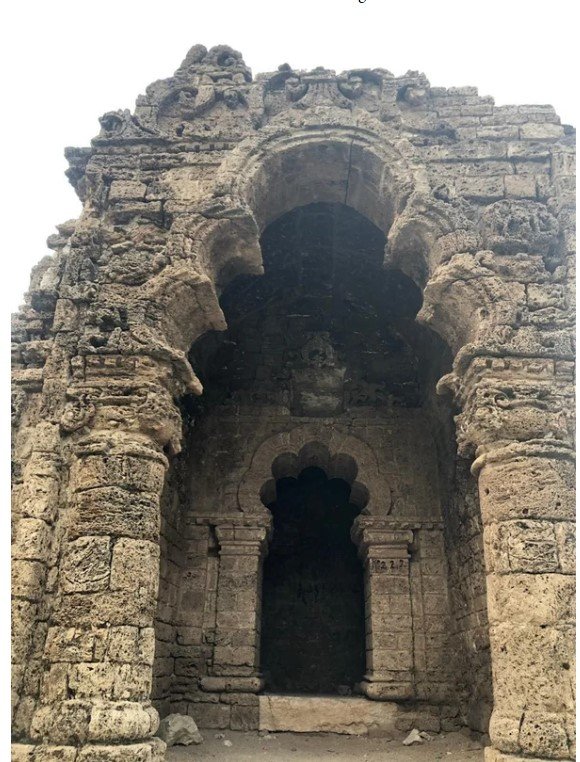
Its elevated position overlooking the valley was likely chosen for both practical and symbolic reasons. The temple would have served as a prominent landmark, visible from considerable distances, while also creating a sacred space separated from everyday settlements.
Architecturally, the Amb Temples display influences from the Gandharan and Kashmiri traditions. The use of stone masonry, decorative niches, pilasters, and the temple’s overall design reflect the exchange of artistic ideas across the northwestern subcontinent. These features illustrate how architecture evolved through centuries of cultural interaction rather than in isolation.
Architecturally, the Amb Temples display influences from the Gandharan and Kashmiri traditions.
What the Temples Reveal to Archaeologists
For archaeologists, the significance of the Amb Temples extends far beyond their architectural beauty. Heritage monuments are often described as historical documents written in stone, and the Amb complex is no exception. Every wall, carving, construction technique and surviving foundation provides clues about the society that built it.
The temples reveal information about religious practices, craftsmanship, engineering techniques, and the availability of local building materials. Their construction reflects a highly organised society capable of mobilising skilled artisans and considerable resources. Even the layout of the complex helps scholars understand patterns of worship and settlement during the Hindu Shahi period.
Archaeological sites like Amb also help bridge gaps in Pakistan’s historical record, particularly for periods where written sources are limited. Material remains often tell stories that historical texts cannot.
A Window into Pakistan’s Multi-Civilizational Past
The Amb Temples contribute to a broader understanding of Pakistan’s cultural diversity. Long before the emergence of modern national boundaries, the territory that now constitutes Pakistan was home to numerous civilizations, faiths and ethnic communities. From the urban centres of the Indus Valley Civilization to the Budd-hist monasteries of Gandhara, from Hindu kingdoms to Islamic dynasties, the region has served as a crossroads of cultures for thousands of years.
In this historical continuum, the Amb Temples occupy a unique place. They represent a period when Hindu tra-ditions flourished in parts of present-day Pakistan and when cultural and artistic exchanges shaped the development of local societies.
Recognising such sites does not diminish any chapter of Pakistan’s history; rather, it enriches the national narrative by acknowledging the many civilizations that have contributed to the country’s heritage.
Why the Amb Temples Remain Overlooked
Despite their archaeological importance, the Amb Temples remain relatively unknown compared with celebrated sites such as Mohenjo-daro, Taxila and Rohtas Fort. Their remote location, limited tourism infrastructure and lack of public awareness have contributed to their obscurity.
Many visitors to the Soon Valley come for its lakes and natural beauty without realising that one of South Asia’s finest surviving Hindu Shahi monuments stands nearby. Consequently, the temples receive far fewer visitors than they deserve and rarely feature in mainstream travel or heritage promotion.
The Amb Temples also present an opportunity to promote sustainable heritage tourism in the Soon Valley. Integrating the site into broader tourism initiatives could benefit local communities while encouraging greater appreciation of Pakistan’s archaeological wealth.
Preserving a Shared Past
Ancient monuments are not merely relics of forgotten civilizations; they are tangible connections between the past and the present. They encourage historical inquiry, promote intercultural understanding and remind societies of the many influences that have shaped their identities.
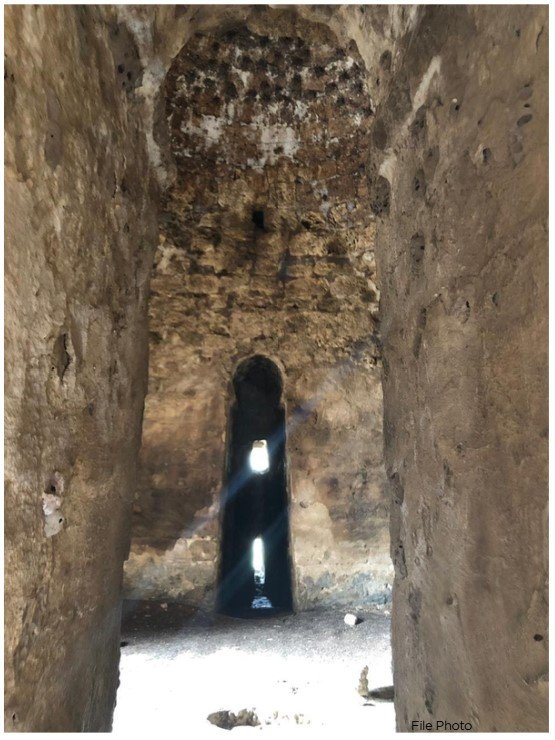
As Pakistan continues to invest in heritage conservation and tourism development, sites like the Amb Temples deserve far greater scholarly attention and public recognition. Their preservation is essential not only for archaeological research but also for strengthening appreciation of the country’s rich and diverse cultural inheritance.
Their enduring presence reminds us that Pakistan’s history is layered, interconnected and remarkably diverse. Preserving the Amb Temples is therefore not simply an act of conserving ancient stone; it is a commitment to safeguarding a shared cultural legacy that belongs to all humanity. As witnesses to a thousand years of history, the Amb Temples continue to tell a story of resilience, craftsmanship and cultural diversity one that deserves to be heard, studied and protected for generations to come.