


Can Corporate–Medical Collaboration Is Redefining Public Health
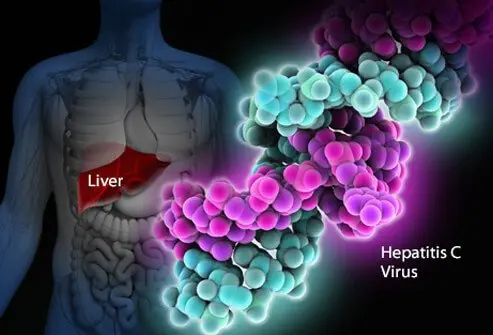
Pakistan carries one of the largest burdens of hepatitis C globally. Recent national estimates place the number of people living with viraemic HCV at roughly 9.7–10 million (viraemic prevalence ≈ 4.3% in modelling studies), making early detection and community-level treatment a public health priority.
Pakistan’s National Health Vision
Pakistan has committed to the WHO target of eliminating Hepatitis C as a public health threat by 2030. The government’s National Hepatitis Strategic Framework identifies early detection, community-based interventions, and free treatment programs as pillars of that effort.
By offering exactly those elements, the OGDC–AKUH initiative directly aligns with these national objectives. It not only contributes to the reduction of new infections but also fosters awareness and destigmatization, encouraging people to seek care without fear or financial anxiety.
Corporate Social Responsibility in Action
As the country’s largest exploration and production company, OGDC’s operations span across regions that also face acute social challenges from a lack of education and healthcare to limited infrastructure.
Through its CSR initiatives, OGDCL has long invested in community uplift programs: building schools, funding medical facilities, supporting disaster relief, and running vaccination drives.
WHO regional briefings and academic analyses warn that tens of thousands of new infections continue each year. The virus, which primarily spreads through unscreened blood transfusions, unsafe medical injections, and poor sterilization practices, often remains asymptomatic for years. By the time patients develop symptoms such as fatigue, jaundice, or liver dysfunction, it is often too late for curative treatment.
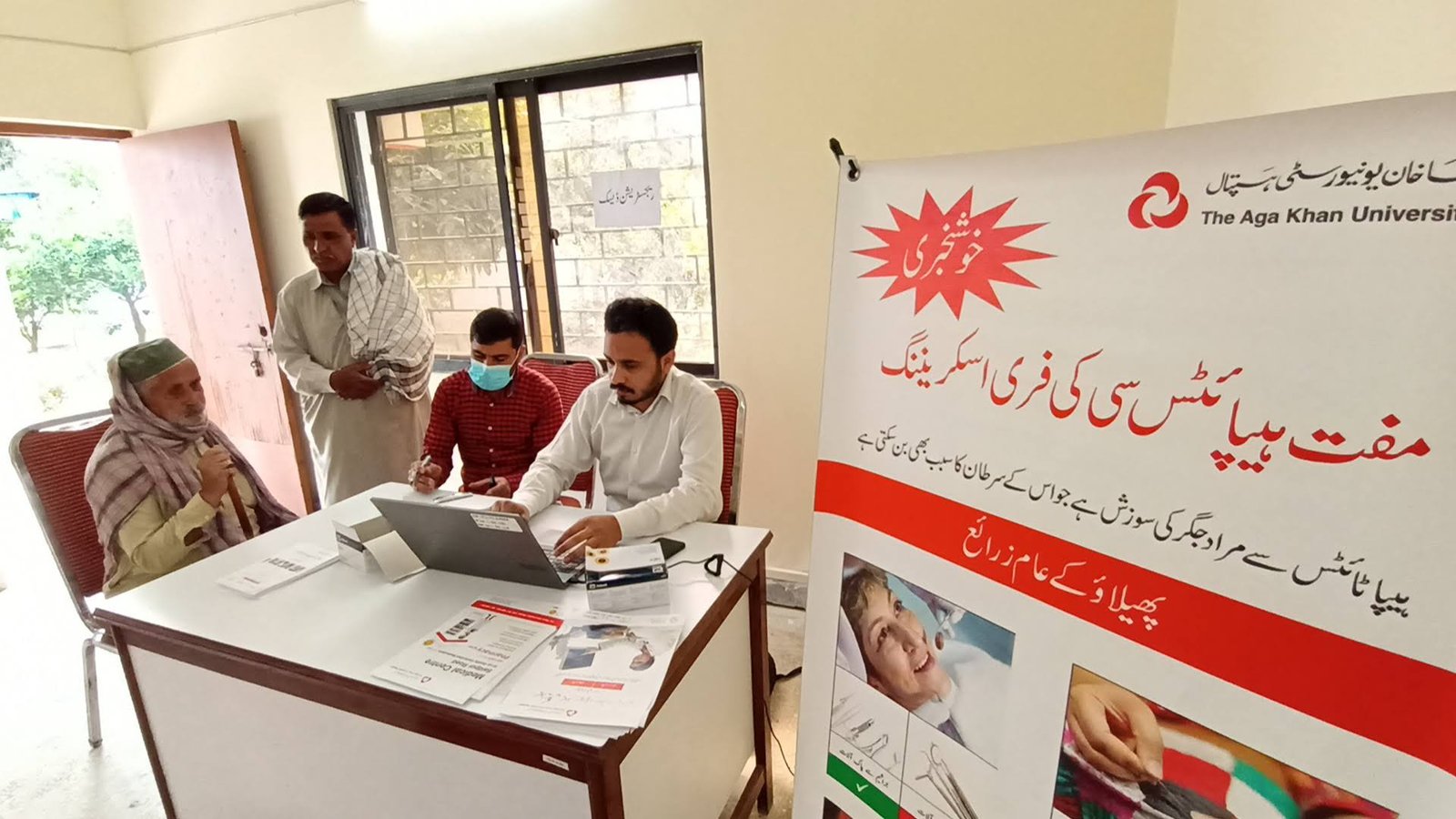
The Hepatitis C elimination project, however, stands out for its scale, strategic partnerships, and long-term vision. The Oil & Gas Development Company Limited (OGDCL) and the Aga Khan University Hospital (AKUH) have launched a collaborative campaign that could mark a turning point in Pakistan’s battle against Hepatitis C, one of the nation’s most persistent and silent epidemics.
This new initiative, titled the Hepatitis C Elimination Camp Program, spans several districts across Punjab and Sindh, offering completely free screening, diagnosis, treatment, and follow-up care for communities that often lie beyond the reach of mainstream healthcare services.
The Camp Network: From Chakwal to Ghotki
The multi-phase Hepatitis C elimination campaign has been rolled out across key OGDCL healthcare facilities situated in Chakwal, Attock, Gujjar Khan, Dera Ghazi Khan, Hyderabad, Sanghar, and Ghotki. These locations were not randomly chosen; they represent a cross-section of communities where access to advanced medical infrastructure remains limited, yet the burden of infectious diseases remains disproportionately high.
Each site functions as a local hub for free services, including rapid screening, diagnostic testing, medical consultations, and the provision of essential medicines. The services are available to all no income threshold, no discrimination, and no hidden costs.
The timeline has been structured to ensure continuity and comprehensive care:
- Initial Phase: September 23 – December 11, 2025
- First Follow-Up: September 30 – December 18, 2025
- Second Follow-Up: March 31 – June 18, 2026
By embedding follow-up visits into the program’s design, the initiative ensures that screening is not a one-off event but the beginning of sustained medical engagement. This is crucial for Hepatitis C, where adherence to treatment and regular monitoring determine recovery outcomes.
What the Camps Offer and Why It Matters
Each camp offers a complete package of healthcare interventions:
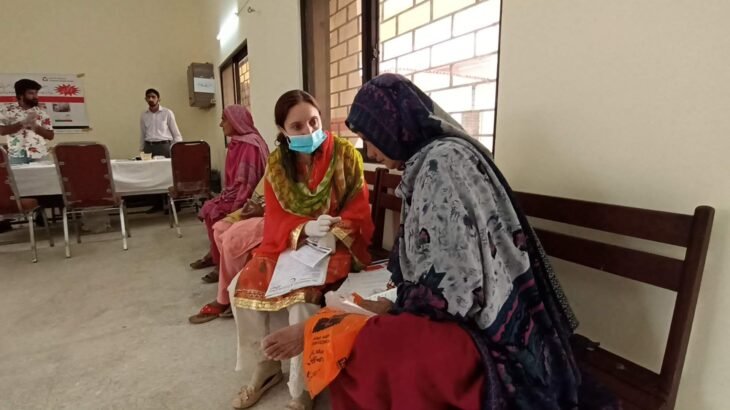
- Rapid Screening: On-site antibody and diagnostic testing allows participants to know their Hepatitis C status within minutes.
- Medical Consultations: Qualified physicians and trained healthcare professionals offer expert advice, answer questions, and guide patients through treatment plans.
- Essential Medicines: Free, WHO-recommended antiviral drugs are distributed to those diagnosed, ensuring that treatment begins immediately.
- Follow-Up Support: Dedicated monitoring ensures patients stay on course, complete their treatment, and achieve full recovery.
Toward a Healthier Tomorrow
The OGDCL–AKUH partnership stands as a reminder that collective action, when rooted in compassion and strategy, can yield transformative results. As the first phases of the Hepatitis C Elimination Camps roll out, the initiative has the potential not just to save lives but to set a precedent for how Pakistan approaches its broader healthcare challenges.
If sustained and scaled, this model could serve as a template for tackling other chronic and communicable diseases, where corporate resources, institutional knowledge, and community engagement converge for a single, shared goal: a healthier Pakistan.