


The federal government has set December 31, 2026, as the deadline for transforming Islamabad into Pakistan’s first fully cashless city, with plans to shift government departments, commercial businesses and street vendors towards digital payments.
The decision was announced following a high-level meeting on the Cashless Islamabad initiative, chaired by Minister of State for Interior Talal Chaudhry. The meeting was attended by Capital Development Authority (CDA) Chairman Sohail Ashraf, banking sector representatives and senior government officials.
Chaudhry said the initiative was being implemented on the directions of Prime Minister Shehbaz Sharif and Interior Minister Mohsin Naqvi, adding that all relevant institutions would work together to establish a comprehensive digital payment system across the federal capital.
Government departments to stop accepting cash
Under the announced plan, government departments operating under the Islamabad Capital Territory administration and the CDA will stop accepting cash payments after November 30.
The government has also set December 31 as the deadline for integrating all merchants in Islamabad into the digital payment system.
According to Chaudhry, approximately 26,000 merchants have already been connected to digital payment facilities. The remaining businesses, ranging from small street vendors and pushcart operators to major commercial establishments, are expected to join the system before the deadline.
QR payments to expand across Islamabad
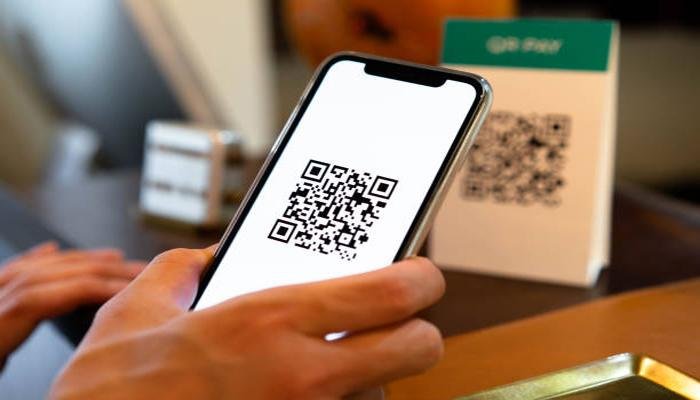
The initiative will rely heavily on QR-code-based transactions, including payments through the State Bank of Pakistan’s Raast digital payment infrastructure.
Digital payment facilities are already operational in several public services, including Islamabad’s weekly bazaars, CDA’s One-Window Facilitation Centre, Metro Bus and electric bus services.
The government is now expanding the system to shopping malls, Class-III markets, hotels, guest houses, petrol stations and restaurants.
Chaudhry said commercial banks had been asked to facilitate the transition by improving public awareness and offering incentives to merchants and consumers. Banks are also expected to support the wider adoption of Raast QR payments.
Other initiatives, including M-Tag services and digital parking facilities, are also being introduced as part of the broader effort to digitise urban services.
Government targets greater financial transparency
The government believes that shifting towards digital transactions will improve financial transparency, strengthen tax monitoring, reduce undocumented economic activity and make payments more efficient.
Prime Minister Shehbaz Sharif has also directed relevant authorities to prepare a clear roadmap with time-bound targets for establishing a fully digital payment system across the country.
The government has indicated that payments in most federal and provincial institutions are expected to be digitised by December 2026.
Implementation challenges remain
Despite the announced timeline, the transition will require extensive coordination among banks, merchants, regulators and public institutions.
Small retailers, street vendors and consumers will need access to reliable digital payment facilities, banking services and awareness programmes. Stable internet connectivity, transaction security and affordable payment infrastructure will also be important for successful implementation.
The shift will further require safeguards for people who have limited access to smartphones, bank accounts or digital financial services.
If successfully implemented, the Cashless Islamabad initiative could provide a model for expanding digital payments to other Pakistani cities. However, meeting the December deadline will depend on how effectively the government addresses practical challenges and ensures that digital payment facilities are accessible across different sections of society.