


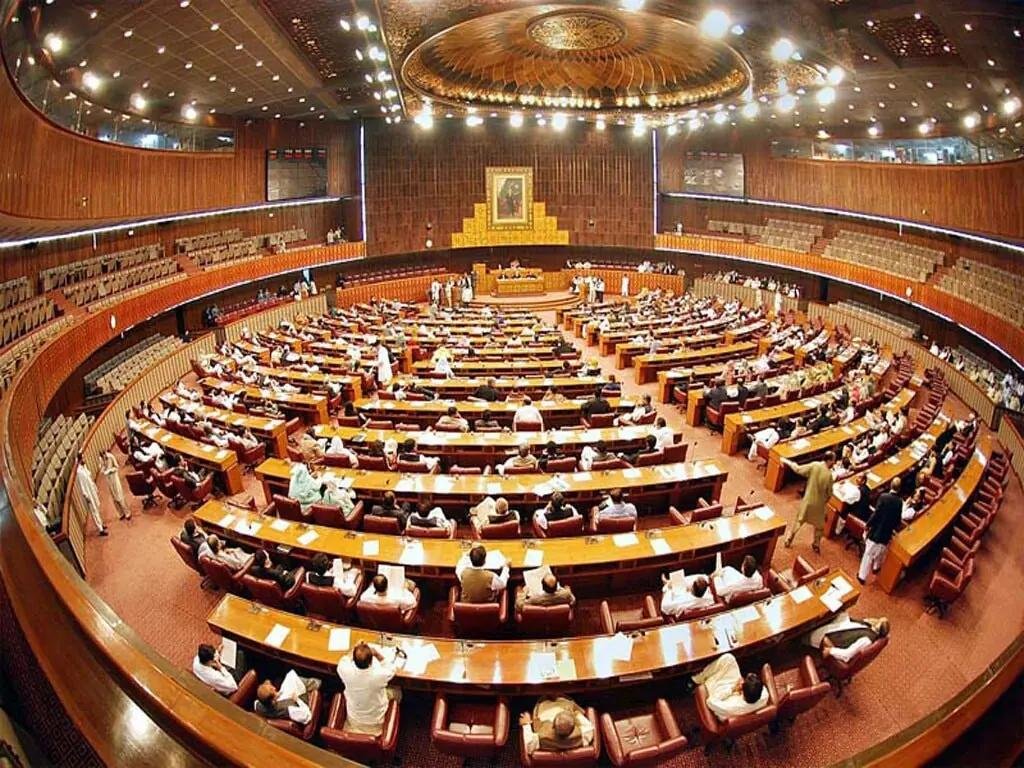
The right to oppose the government is one of the defining features of a democracy, especially in the Westminster model that originated in England. Having a government in opposition is part of how democratic rule works, not a separate kind of democracy. In parliamentary systems, the entitlement to oppose is more than a set of rights. It is what has been called a “tangible institution” that challenges the ruling party. In Pakistan, the Constitution gives the opposition and its leader formal recognition, a title and duties.
The opposition acts as a check and balance on the party in power, so that the power it has been given is not abused. It builds a culture of political accountability by scrutinising government policies, raising concerns, encouraging debate on important issues and questioning the prime minister and cabinet ministers. This should constrain the winning party without choking it.
Criticism should also be constructive. The opposition is meant to help, by pointing out problems and offering alternative policies or strategies, with the national interest in mind. Its purpose is to guide the government back to what benefits the public, not to portray it in a bad light. The opposition must also be ready to step in as an alternative government if voters choose it, which is why both sides need to maintain integrity and reflect the will of the people.
The constitutional crisis of 2022 shows both the role of the opposition and the challenges it faces. The Pakistan Democratic Movement (PDM), a coalition led mainly by PML(N) and JUI(F), brought a no-confidence motion against Prime Minister Imran Khan. How right that move was remains debatable, but holding a government accountable is a key function of the opposition, and a no-confidence motion is a constitutional tool. It also broke from the past: parties came together and used institutional mechanisms to challenge a government’s legitimacy.
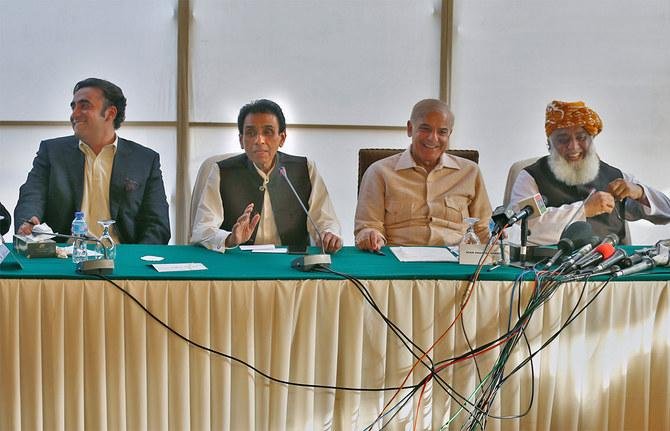
Still, tensions between the PDM’s parties, such as those between PML(N) and the PPP, caused internal disputes and weakened the coalition. A weak opposition is a less effective one. After Imran Khan’s removal, the opposition became the ruling party under Shehbaz Sharif, whose tenure was short and marked by public dissatisfaction over political turmoil and the economy.
These events caused real instability. They also exposed institutional vulnerabilities, with accusations of external influence and military involvement in the democratic process. Continued interference shows that the opposition has to navigate not just rival parties but state institutions too.
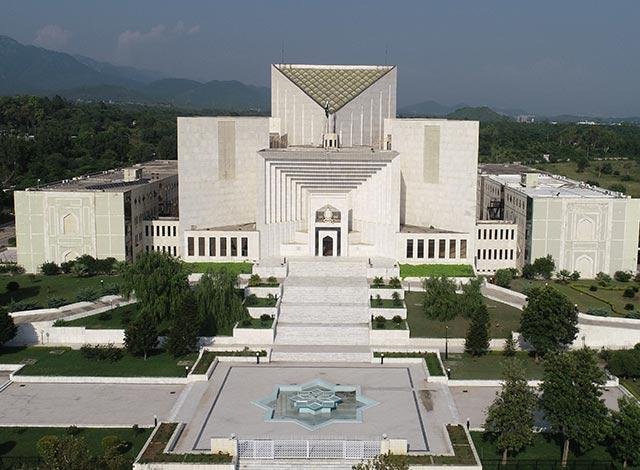
The judiciary matters here as well. Its rulings can support or undermine either the opposition or the ruling party, and it has been caught in election controversies before. After the alleged rigging of the 2013 elections and the judiciary’s involvement, Chief Election Commissioner Justice (Retd.) Fakhruddin G. Ebrahim resigned. In 2009, a ruling had banned judicial officers from involvement in electoral processes. Reactions to the judiciary’s role in politics are mixed: some see it as necessary for fairness, others as biased and politically motivated.
Today the opposition is led by Pakistan Tehreek-e-Insaf (PTI), which is the primary party in it. It is still fragmented, though less so than in the past. Many parties have joined, which brings a wide range of ideologies. That is not bad in itself, but it can cause clashes of goals if parties prioritise regional agendas over national benefit, and it can lead to coalition politics and a lack of unity.
Negotiations about how the ruling party and opposition should interact are still ongoing. Recently, PML(N) faced internal divisions over whether to impose conditions on dealing with the opposition. Many members disagreed, warning that it could alienate the opposition and repeat Pakistan’s history.
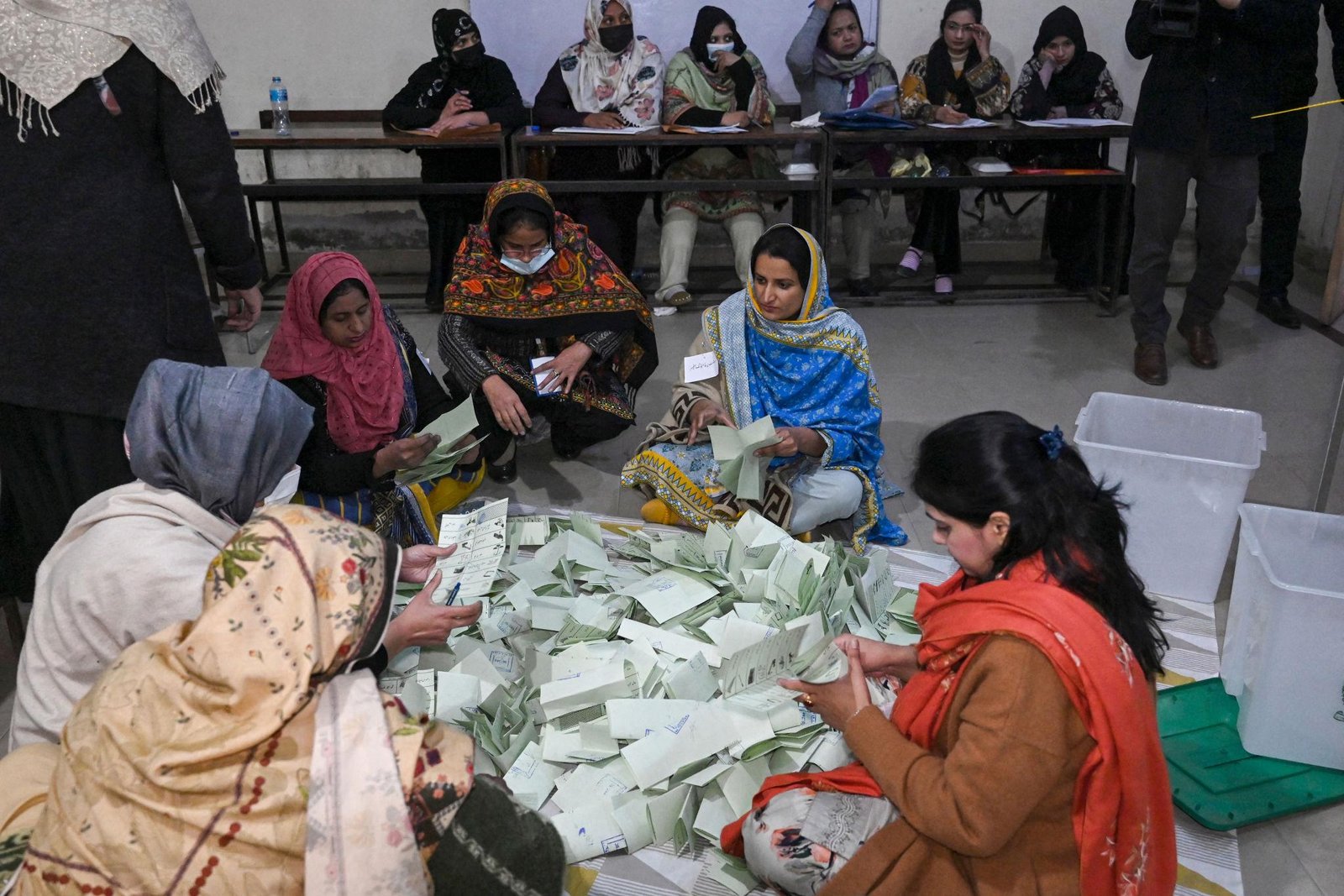
The military’s influence remains strong. The current government is civilian, formed by PML(N) in Punjab and PPP in Sindh, but allegations that the military rigged the elections in its favour mean the parties in power may be balancing public demands against the military’s. In the second half of 2024, Planning Minister Ahsan Iqbal spoke of arranging talks that would include the military alongside the government and opposition, which shows how deeply entrenched it is. The opposition is itself affected. After the Supreme Court suspended PTI’s electoral symbol, its candidates ran as individuals, and PTI may end up either courting the military or opposing it, instead of focusing on its parliamentary role.
When the opposition is allowed to play its role, a political system can become stable and balanced. In 2013, the opposition stood up against electoral rigging, and the issue was at least partly addressed. But coups, instability, imprisonment of political figures and media manipulation have made its duties hard to carry out. Parties also tend to compete against each other, and criticism is often meant to undermine those in power instead of improving how they govern.
Real reform is needed: more transparent elections, an independent and impartial judiciary, and protection for opposition parties from persecution. Pakistan’s system nominally supports an opposition, but only institutional change can make it effective.