




In this exclusive interview, Noor Mukadam’s father, Shaukat Mukadam, reflects on the day that changed his family’s life forever, the years-long legal battle that followed, the overwhelming public support they received, and the reforms he believes Pakistan urgently needs to better protect women and ensure timely justice.
Five years after the murder of Noor Mukadam, her case continues to shape conversations around violence against women, criminal justice and institutional accountability in Pakistan. Beyond the court proceedings, it has become a reference point in debates about victims’ rights, legal reform and public trust in the justice system.
The Day the Noor Mukadam Case Began
Q: When you first received the news about Noor, what was your immediate experience with law enforcement? Did you feel the system was prepared to handle such a case?
Shaukat Mukadam: When I received the news on 20 July 2021, a senior police official called me while I was at home. Naturally, my wife, my children and the entire family were in a state of complete shock. Everyone was crying. The police officer asked me to come immediately and also told me to come alone, without bringing my wife or any other female family member, because they would not be able to bear what they were about to witness.
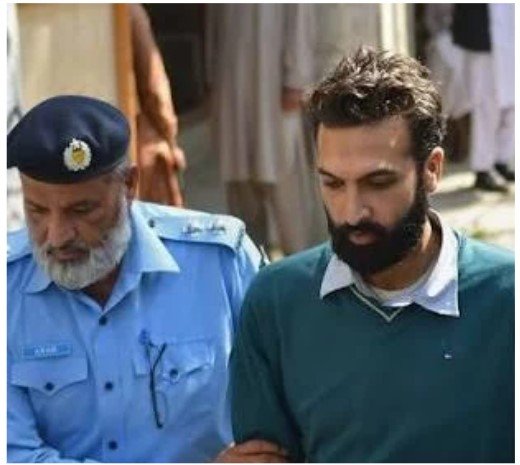
When I reached the house, I saw the police team and the forensic experts carrying out their work. They were collecting fingerprints, preserving evidence and documenting everything professionally. Later, Noor’s body was taken to the hospital for the post-mortem examination. I also had the painful responsibility of identifying my daughter’s body.
From what I personally witnessed, I believe the police handled the initial investigation professionally. After the forensic procedures were completed, I went to the police station to register the FIR.
“I would not compromise under any circumstances.”
Inside the Legal Battle for Justice
Q: Your family fought a long legal battle against an individual from an influential background. What kind of pressure did you experience throughout the case?
Shaukat Mukadam: This legal battle began on 20 July 2021, and before that day I had never visited a police station or entered a courtroom in my life. Everything was completely new to me. Going through the district court, the High Court and eventually the Supreme Court was an emotionally exhausting experience.
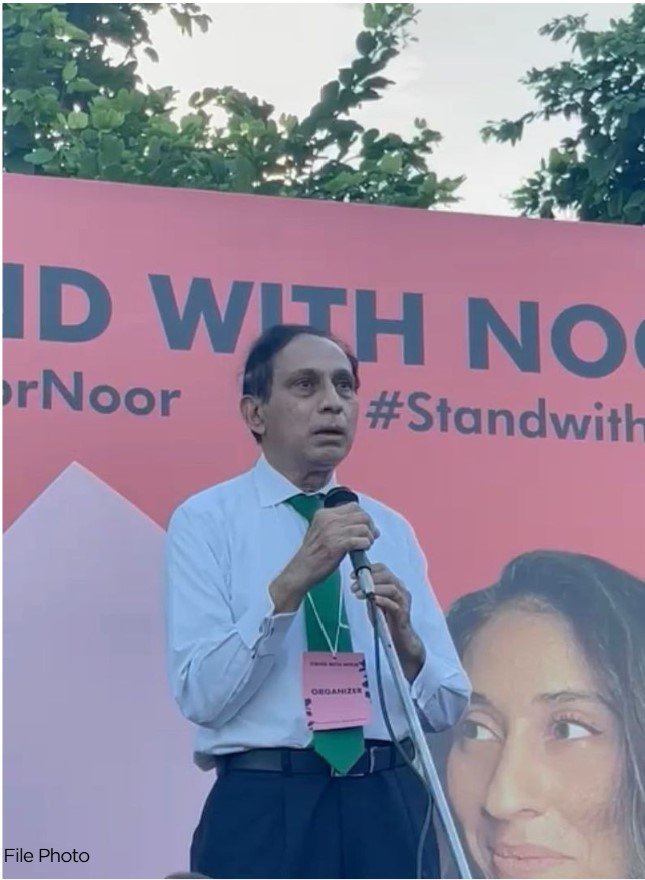
I still remember the district court in Islamabad. It was operating from a very small courtroom with hardly any space for people to sit or even stand. Despite those conditions, I appreciated the dedication of the Additional Sessions Judge, who would begin proceedings early every morning and patiently hear every case before him. That commitment to justice left a positive impression on me.
Of course, the accused’s family was wealthy and influential. During the proceedings, I was approached through third parties who suggested resolving the matter outside the courts. However, my response remained the same throughout the entire case. I would not compromise under any circumstances. Justice was never something that could be negotiated.
- Noor Mukadam was murdered in Islamabad on 20 July 2021.
- The case became one of Pakistan’s most closely followed criminal trials, prompting nationwide discussions about violence against women, accountability and criminal justice.
- In this interview, Shaukat Mukadam reflects on his family’s pursuit of justice and the reforms he believes are necessary to strengthen Pakistan’s justice system and better protect women.
Remembering Noor Beyond the Headlines
Q: Many families remain silent because of fear or social stigma. What gave you the strength to continue this fight publicly, and what has been the emotional cost?
Shaukat Mukadam: Many families unfortunately choose not to pursue justice because they fear social stigma or the consequences of filing an FIR. I understand those fears, but I found strength because I knew who Noor was.
She possessed tremendous qualities and a very strong character. She was deeply compassionate and had great respect for her faith. During my diplomatic posting in South Korea, she studied in an international school with students from many different countries. One of her classmates became interested in learning about Islam, and Noor gave her a copy of the Holy Quran so she could understand it better. That simple act reflected the kind of person she was.
Noor was the youngest member of our family, and naturally she was loved and cherished by everyone. Losing her in the prime of her youth was a colossal loss for all of us. The emotional attachment a family has with a daughter cannot be measured, and neither can the pain of losing her. The emotional cost has been immeasurable.
How Pakistan Stood with Noor MukadaM
Q: How did society respond to your case? Did you receive support, or did you also face victim blaming and pressure to withdraw?
Shaukat Mukadam: I received tremendous support from every section of society. Our relatives, friends, Noor’s friends, the media, civil society, and ordinary Pakistanis stood with us from the very beginning. The outpouring of affection was overwhelming, not only within Pakistan but also from people living abroad.
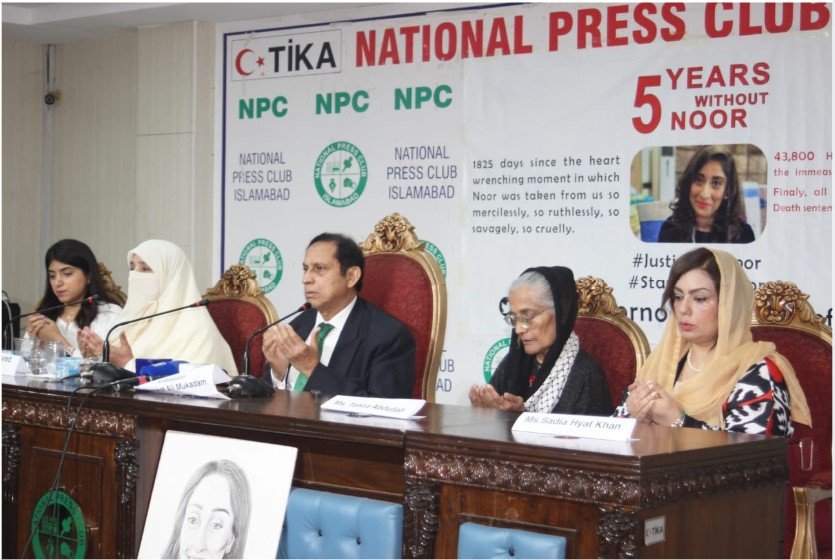
There were peaceful vigils and demonstrations in several countries. In Ireland, where I had previously served, people organised silent protests. Even in countries where we had never lived, people came together to express solidarity with Noor and with our family.
Many people visited our home to offer condolences. Politicians from across the political spectrum, lawyers, police officials and members of civil society all came to express their support. What touched me most was that people did not treat Noor’s murder as only our family’s tragedy. They felt it was their own loss as well. That collective support became one of the greatest sources of strength for me during the legal proceedings.
“Women cannot lead a life of fear.”
Victim Protection During High-Profile Trials
Q: Did you ever fear for your own safety during the legal proceedings? Do you believe victims’ families receive adequate protection?
Shaukat Mukadam: In the initial days after Noor’s murder, I did have concerns about my personal safety. I requested police protection, and for two or three days a police officer accompanied me whenever I went to court.
Later, however, I decided to discontinue the security. I felt that having police personnel around me made me more visible and could actually draw unnecessary attention. After that, I continued attending court hearings on my own.
As for other victims’ families, I believe that if they genuinely fear threats or intimidation and approach the police for protection, the authorities should provide them with appropriate security. Families involved in serious criminal cases often worry about reprisals, and it is the state’s responsibility to ensure they can pursue justice without fear.
Can Pakistan’s Justice System Better Protect Victims?
Q: Do judges and lawyers generally demonstrate sensitivity towards victims, or is there still a gap in understanding trauma and gender-based violence?
Shaukat Mukadam: Judges have a very different responsibility from lawyers. They cannot publicly express sympathy or condolences in court because their duty is to decide cases strictly on merit and according to the law. Judicial impartiality requires that they remain neutral throughout the proceedings.
Lawyers representing victims, however, naturally become part of your team. They regularly encouraged us, assured us they would do everything possible to present the strongest case, and offered emotional reassurance throughout the legal process.
Privately, judges may have their own feelings in such tragic cases, but inside the courtroom they must remain impartial. That is how justice should function.
Q: What reforms are urgently needed to ensure cases involving gender-based violence are handled more effectively?
Shaukat Mukadam: The most urgent reform is the timely implementation of justice. Pakistan needs legislation that establishes clear timelines for criminal cases involving gender-based violence.
In my opinion, trials should ideally conclude within six to nine months. Appeals before the High Court and the Supreme Court should also be decided within fixed timeframes so that the entire judicial process is completed within about two years.
When cases continue for ten or fifteen years, people lose hope in the justice system. Victims’ families should not have to spend decades waiting for final decisions.
Another important issue is the implementation of court decisions after all legal proceedings have concluded. Unless the law is enforced consistently, it cannot serve as a meaningful deterrent against violent crime.
A Message to Pakistan Five Years Later
Q: Looking back, what message would you like to leave for policymakers and for Pakistani society?
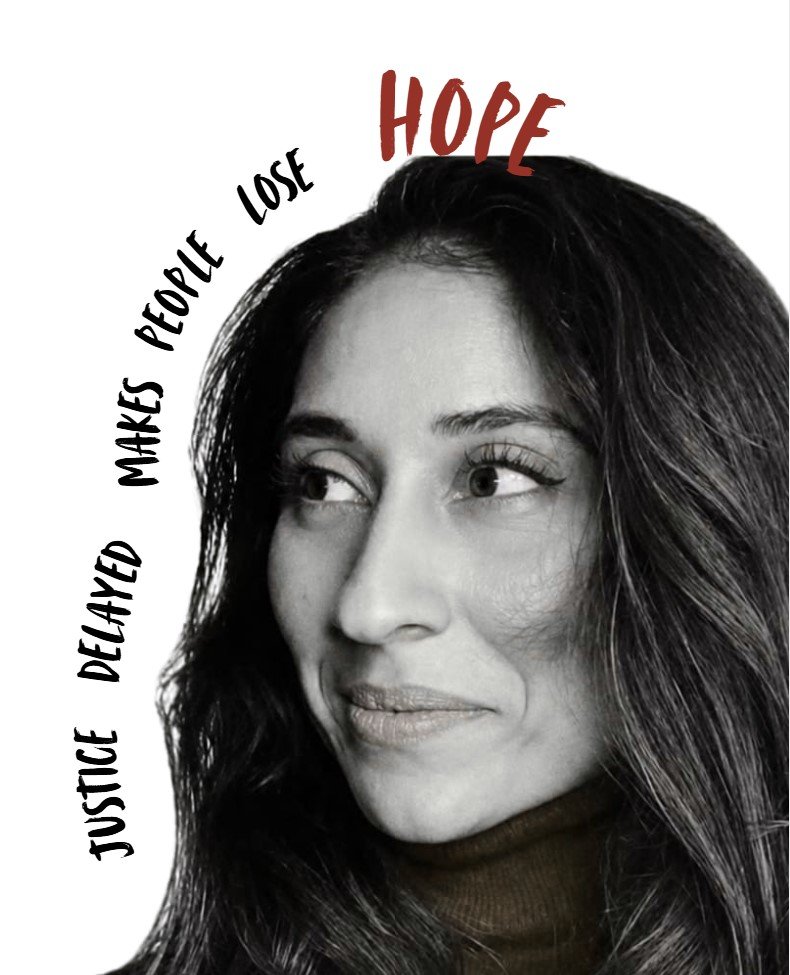 Shaukat Mukadam: After Noor’s case, many other incidents of violence against women have continued to occur. It is heartbreaking to see young women losing their lives or living in constant fear despite wanting to contribute positively to society.
The state has a responsibility to protect them whether they are at home, at work, on the roads or in public spaces. Their lives and dignity must be safeguarded through effective law enforcement and a justice system that delivers timely and impartial decisions.
Only then will people regain confidence that the law protects everyone equally, and only then can future tragedies be prevented.