



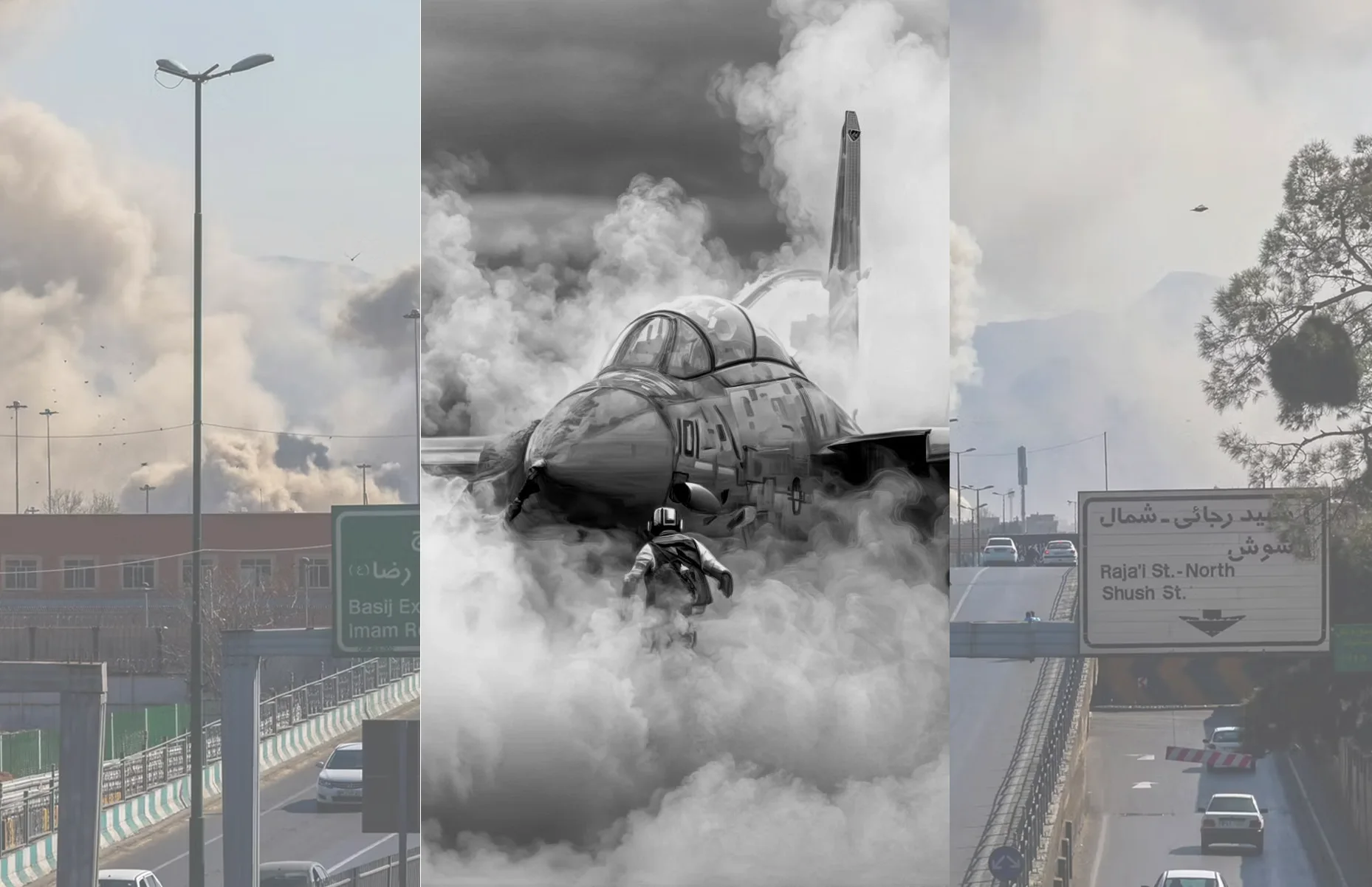
Military emissions remain one of climate policy’s biggest blind spots, weakening transparency, targets, and global accountability.
As the world intensifies its response to climate change, a critical omission continues to undermine global progress: the carbon footprint of war. In international climate frameworks, military emissions, one of the most energy‑intensive outputs of modern states, remain significantly underreported or entirely invisible. This omission is not accidental; it is structural, and it creates what experts increasingly describe as a “military emissions gap”.
Reporting Gaps in Climate Agreements
Contemporary climate agreements such as the Paris Agreement do not explicitly forbid the reporting of military emissions, but they do not mandate it either. Reporting remains largely voluntary. As a result, many countries either disclose partial data or omit military emissions altogether. The consequence is an incomplete picture of global greenhouse gas outputs, a gaping blind spot at a time when precision and accountability are essential.
Historical Roots of Opacity
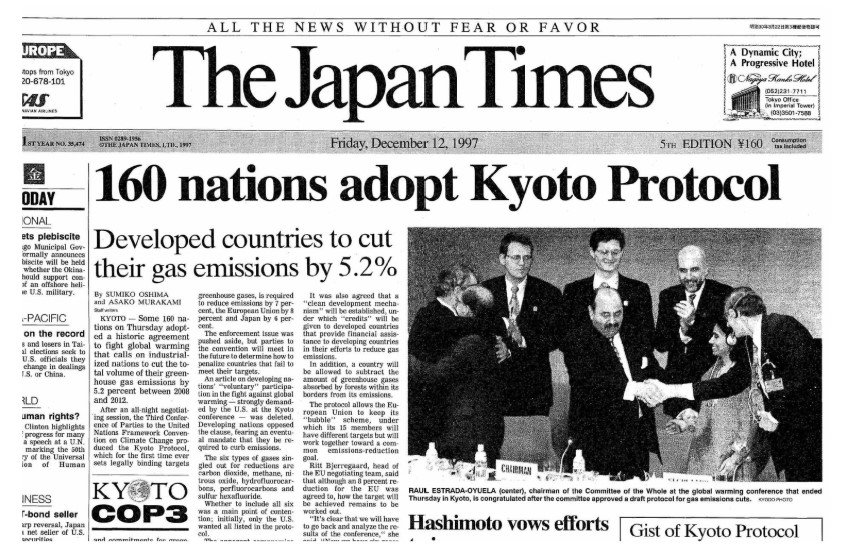
The roots of this opacity can be traced back to the 1997 Kyoto Protocol, where, following political pressure, military emissions were largely excluded from formal reporting requirements. That legacy persists today. Governments frequently invoke national security to justify limited transparency, arguing that detailed disclosures could reveal operational capabilities. While such concerns have strategic weight, they come at a significant environmental cost: the systematic exclusion of one of the world’s largest emitters from meaningful climate accountability.
Scale of Military Emissions
The scale of this omission is striking. Global militaries are estimated to contribute approximately 5.5% of total greenhouse gas emissions, if considered as a single entity, they would rank among the top emitters worldwide, yet this footprint is largely absent from national climate inventories. Even where reporting does occur, it is often narrow in scope, focusing on direct fuel consumption from bases, aircraft, and naval operations. The far larger emissions embedded in supply chains, arms production, logistics and active conflict are frequently left uncounted.
Discrepancies in Reporting
In some regions, the gap between reported military emissions and their likely actual levels can be substantial. Studies indicate that in parts of the European Union, there is a discrepancy of more than 80%, highlighting how current reporting mechanisms fail to capture the true environmental cost of defence activities. Such disparities weaken the integrity of global climate commitments, making it harder to track progress, measure accountability, and design effective mitigation strategies.

Climate policy is fundamentally built on measurement, transparency, and collective responsibility. When a sector of this magnitude operates outside standard reporting norms, it undermines the credibility of national and international climate pledges. Targets become less reliable, progress harder to track, and accountability diluted.
Environmental Consequences Beyond Emissions
The environmental consequences of war go far beyond the combustion of fuel in fighter jets and tanks. Beyond direct emissions, conflict dismantles the natural systems that help regulate the climate. Forests are cleared, agricultural lands abandoned, ecosystems are disrupted, and cities reduced to rubble.
These losses reduce the planet’s capacity to absorb carbon, embed climate costs into post‑conflict recovery, and pave the way for further emissions during reconstruction.
Lessons from Recent Conflicts
Recent conflicts starkly illustrate this urgency. Military operations not only cause immense human suffering but also trigger significant environmental damage. Bombardments, fires, and infrastructure destruction release large volumes of carbon dioxide, while long‑term ecological degradation, contaminated water, damaged soils, and destroyed urban systems, will require carbon‑intensive reconstruction for years to come.
The U.S.–Iran War and Its Carbon Footprint
For example, analyses of the ongoing 2026 U.S.–Iran war reveal the enormous carbon burden of modern conflict. The war, which escalated following coordinated U.S. and Israeli strikes against Iranian military and strategic infrastructure starting on 28 February 2026, has already produced substantial emissions beyond the scope of typical reporting. An analysis by the Climate and
Community Institute found that in the first 14 days of the 2026 U.S.–Israel‑Iran war, more than 5 million tonnes of CO₂ were emitted as a direct result of military actions and widespread damage to civilian buildings, military equipment, fuel depots, and fires ignited by attacks. These figures emphasize how intense military engagements become significant, yet often unaccounted, contributors to climate change. The conflict also disrupts energy markets, destroys infrastructure needed for cleaner energy, and increases long-term recovery emissions, showing that war’s climate impact extends far beyond the battlefield.
The Broader Impact of War on Climate
The immediate emissions from active warfare are only part of the problem. Conflicts like the U.S.–Iran war disrupt energy markets and global supply chains, which can shift demand toward more carbon‑intensive alternatives. They also destroy energy infrastructure that might otherwise support cleaner technologies, further exacerbating the climate impact. Moreover, conflict‑induced refugee flows, shifts in land use, and prolonged instability make sustainable development harder to achieve, locking affected regions into extended periods of environmentally damaging recovery.
… in the first 14 days of the 2026 U.S.–Israel‑Iran war, more than 5 million tonnes of CO₂ were emitted as a direct result of military actions and widespread damage to civilian buildings, military equipment, fuel depots, and fires ignited by attacks.
Conflicts like the U.S.–Iran war disrupt energy markets and global supply chains, which can shift demand toward more carbon‑intensive alternatives..
Implications for Climate Policy
This discrepancy is not merely theoretical; it has real implications for climate action. Without including military emissions in climate inventories, policymakers are making decisions based on incomplete data. This undermines the ambition and effectiveness of climate targets, leaving a blind spot that skews our understanding of global warming’s true drivers.
Paths Toward Accountability
Addressing this challenge does not require compromising national security, but it does require reform. Standardized reporting frameworks, greater transparency, and the inclusion of military emissions within national climate strategies are essential steps toward closing the gap. Some climate experts advocate for establishing independent verification mechanisms for emissions reporting, including specialized protocols for sensitive sectors like defence that balance security and environmental responsibility.
Accounting for Indirect Emissions
In addition to formal reporting, expanding research into indirect emissions, those from supply chains, munitions production, and reconstruction, would provide a clearer picture of the true climate cost of military activity. Governments could collaborate with scientific institutions and civil society to develop methodologies that preserve operational secrecy while ensuring environmental integrity.
Closing the Military Emissions Gap
The climate crisis cannot be solved in fragments. Every major source of greenhouse gas emissions must be quantified, regulated, and ultimately reduced. As long as war remains a largely uncounted contributor to global emissions, efforts to mitigate climate change will be incomplete. Recognizing and addressing this blind spot is not just an environmental necessity, it is a test of global political will. Only by closing the military emissions gap can the world move toward truly comprehensive climate accountability. Without such efforts, defence activities will continue to be excluded, not because they are negligible, but because they are politically and structurally unexamined.
Climate experts advocate for establishing independent verification mechanisms for emissions reporting, including specialized protocols for sensitive sectors like defence