



The Hidden Health Crisis of Microplastics in the Human Body
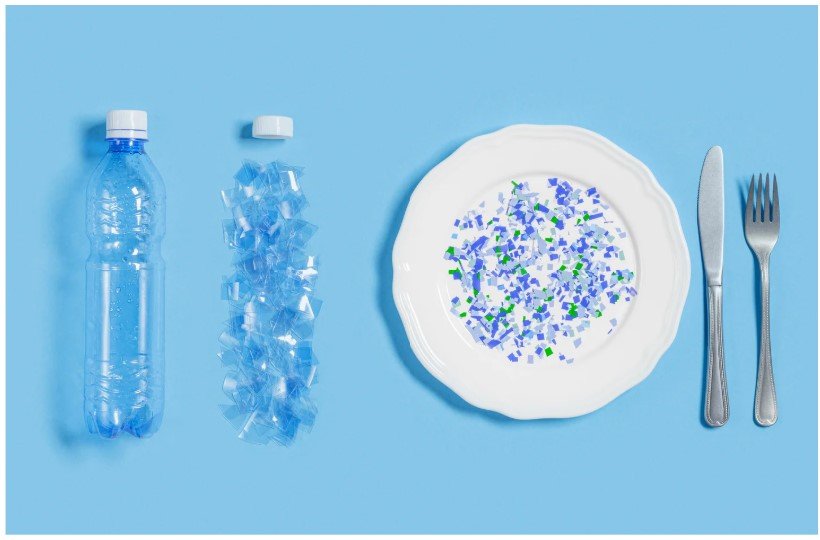
In the past decade, microplastics have shifted from being an environmental concern to an urgent public health issue. These tiny plastic fragments defined particles smaller the human body itself. Scientific studies increasingly confirm that humans are exposed to microplastics than 5 millimetres, are now being detected not only in oceans and soil but within daily through contaminated food, water, and air. As plastic production continues to rise globally, so does the risk of internal exposure, raising critical questions about long-term health consequences and environmental sustainability.
What Are Microplastics and Why Do They Matter?
Microplastics originate from the breakdown of larger plastic waste or are manufactured intentionally for use in products such as cosmetics and industrial materials. Even smaller particles, known as nanoplastics (less than 1 micrometre), pose a more significant threat due to their ability to penetrate biological barriers.
The widespread presence of microplastics in seafood, drinking water, salt, fruits, and vegetables highlights their alarming integration into the global food chain. Studies suggest that the average person may ingest thousands of microplastic particles each year, making exposure virtually unavoidable.
How Microplastics Enter the Human Body
Microplastics infiltrate the body through three primary pathways: ingestion, inhalation, and dermal contact.
Ingestion is the most common route. Contaminated food items, especially seafood and processed products serve as major carriers. Bottled water has also been identified as a significant source, often containing higher concentrations of plastic particles than tap water.
Inhalation represents a growing concern, particularly in urban environments. Airborne microplastics from synthetic textiles, vehicle emissions, and industrial waste circulate in indoor and outdoor air, making them easy to inhale unknowingly.
Dermal exposure, though less studied, occurs through personal care products containing microbeads or through contact with plastic-based materials. While skin acts as a barrier, certain nanoparticles may still penetrate under specific conditions.
Once inside the body, nanoplastics can enter the bloodstream and travel to various organs, raising concerns about systemic exposure.
Microplastics Found in Human Organs
Recent research has revealed the presence of micro-plastics in human blood, lungs, intestines, and even re-productive organs. Particularly alarming is their detection in placental tissue, indicating that exposure may begin before birth.
A study published in Nature Medicine 2025 reported microplastic accumulation in human brain tissue at concentrations significantly higher than in other organs. This discovery challenges long-standing assumptions about the protective function of the blood-brain barrier and introduces new concerns regarding neurological health.
Health Risks of Microplastics Exposure
Although research is still evolving, scientists have iden-tified several mechanisms through which microplastics may harm human health.
Inflammation and oxidative stress are among the most widely observed effects. The immune system treats mic-roplastics as foreign invaders, triggering chronic inflam-mation that has been linked to diseases such as cardio-vascular disorders and diabetes.
Endocrine disruption is another critical concern. Plastics often contain chemicals like BPA and phthalates that mimic hormones, potentially interfering with reproductive health, metabolism, and development.
Respiratory issues may arise from inhaled microplastics that become lodged in lung tissue. Prolonged exposure could contribute to chronic respiratory conditions and may increase the risk of more severe diseases over time.
Gut microbiome disruption is an emerging area of study. Microplastics may alter the balance of beneficial bacteria in the digestive system, affecting immunity, nutrient absorption, and metabolic processes.
Microplastics: From Environmental Threat to Public Health Crisis
The discovery of microplastics inside the human body represents a fundamental shift in how pollution is understood. No longer confined to ecosystems, plastic waste has become part of a “biological feedback loop,” re-entering human systems through air, water, and food.
This interconnectedness highlights the urgent need to integrate environmental policy with public health strategies. Countries like Pakistan, already facing waste management challenges, must recognize microplastic exposure as both an ecological and health priority.
How to Reduce Exposure to Microplastics
While complete avoidance is unrealistic, individuals can take practical steps to minimize exposure:
Reducing the use of single-use plastics, especially in food packaging, can significantly lower ingestion risks. Opting for glass or stainless-steel containers is a safer alternative.
Installing high-quality water filtration systems may help remove microplastic particles from drinking water. Improving indoor air quality through ventilation and reducing synthetic textile use can limit inhalation exposure.
Avoiding personal care products containing microbeads also reduces dermal contact with plastics.
The Research Gap: What We Still Don’t Know
Despite growing evidence, the long-term health effects of microplastics remain uncertain. Most current studies rely on laboratory models or small-scale observations. Establishing direct links between microplastics and specific diseases is challenging due to their widespread presence.
However, the consistency of findings across multiple studies underscores the need for expanded research, including long-term epidemiological studies and clinical trials.
A Silent Crisis of the 21st Century
Microplastics represent one of the most pervasive yet least visible health threats of our time. Their presence in the human body signals a new era of environmental exposure one where pollution is no longer external but deeply internal.
While definitive answers about their long-term impact are still emerging, the existing evidence is compelling enough to demand immediate attention. Addressing the microplastics crisis requires a combination of individual awareness, scientific innovation, and strong global policy action.
As humanity grapples with the consequences of its reliance on plastic, the question is no longer whether microplastics are affecting us but how deeply, and at what cost.