


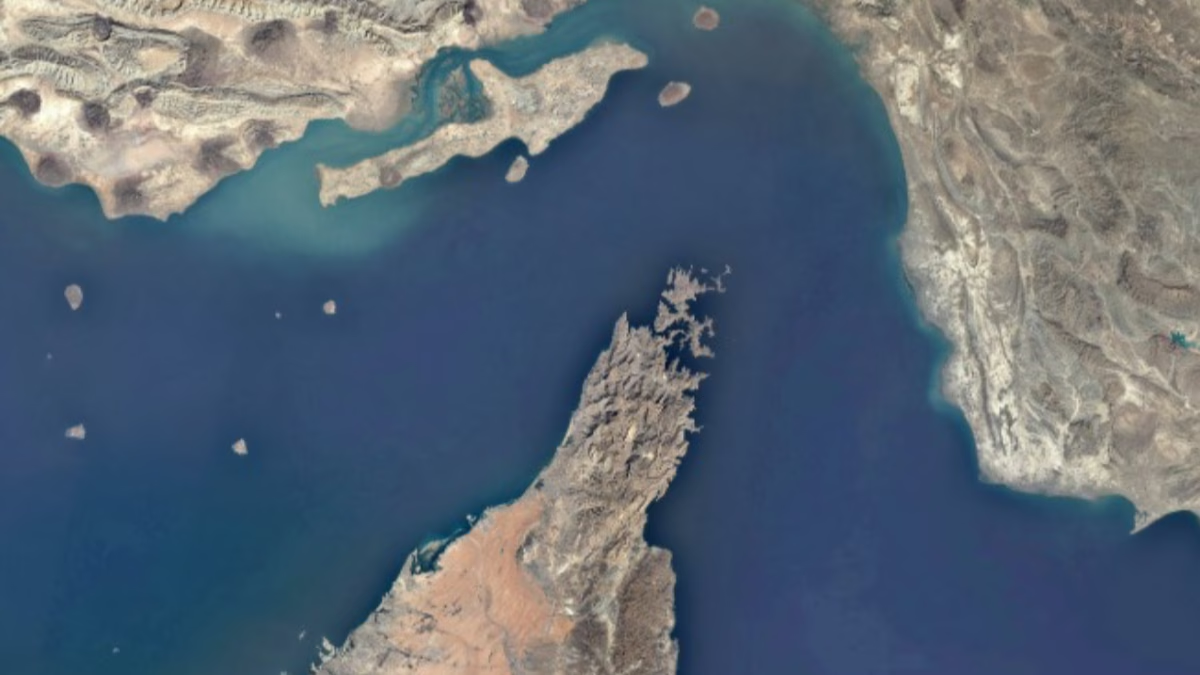
The Strait of Hormuz has emerged as the world’s most dangerous economic chokepoint, where geopolitics and global energy security collide.
A very few locations carry as much strategic weight as the Strait of Hormuz, a narrow maritime corridor that has once again assumed outsized global significance. This 21-mile-wide passage, linking the Persian Gulf to the Arabian Sea, now stands at the center of escalating tensions between the United States, Israel, and Iran. Its importance extends far beyond regional geopolitics, positioning it as a test of military reach, economic resilience, and global energy security.
Prominent investor Ray Dalio underscored the gravity of the situation in March 2026, noting that “it all comes down to who controls the Strait of Hormuz.” In today’s context, control does not necessarily mean permanent occupation, but rather the ability to ensure or disrupt the uninterrupted flow of global commerce. Increasingly, it is the threat of disruption, rather than outright closure, that defines modern strategic leverage.
Escalation in the Strait of Hormuz: Rising Maritime Insecurity
Since late February 2026, hostilities in the region have intensified significantly. Coordinated airstrikes by the United States and Israel targeting Iranian nuclear and military infrastructure have triggered calibrated retaliation from Iran. These responses include missile attacks, drone operations, and the harassment of commercial shipping expanding the conflict into the maritime domain without crossing into full-scale war.
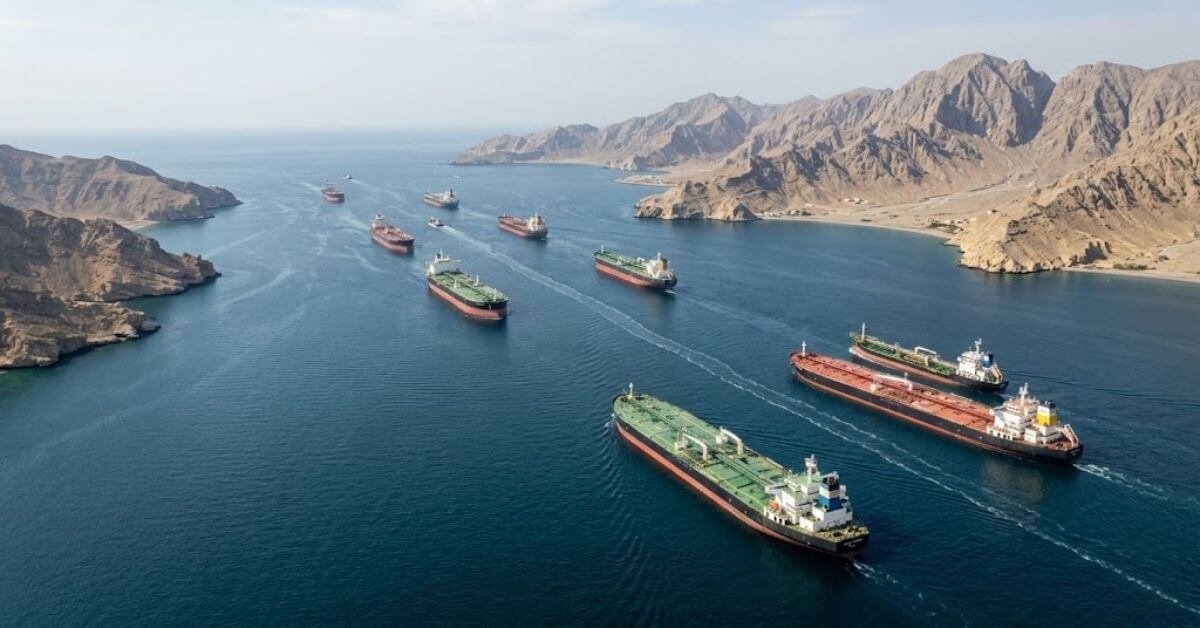
By mid-March, multiple oil tankers had reportedly been attacked, seized, or rerouted under threat. As a result, war-risk insurance premiums surged, echoing the volatility seen during the 2019 tanker crisis. Daily vessel traffic through the Strait of Hormuz, typically exceeding 100 ships has begun to decline.
This highlights a critical reality for global markets: even limited disruptions in this narrow chokepoint can trigger disproportionate economic consequences, particularly in oil price volatility and supply chain uncertainty.
Strategic Geography of the Strait of Hormuz and Iran’s Asymmetric Advantage
The strategic importance of the Strait of Hormuz lies not only in its volume of traffic but also in its geography. Key shipping lanes pass close to Iranian territorial waters, granting Tehran both legal leverage and tactical proximity.
Iran’s military capabilities include anti-ship missile systems such as Ghadir, Qader, and Noor, along with naval mines, submarines, and fast-attack craft. Crucially, Iran does not need to fully block the strait to achieve its objectives. Instead, asymmetric warfare tactics—including limited mine deployment, electronic interference, and targeted harassment—can create enough uncertainty to deter shipping activity.
This doctrine of calibrated disruption enables Iran to impose economic costs while avoiding the threshold that would trigger overwhelming military retaliation. Historical precedents like the “Tanker War” of the 1980s demonstrate how even sporadic attacks can destabilize global shipping and energy markets.
Global Energy Security at Risk: Oil and LNG Flows Through Hormuz
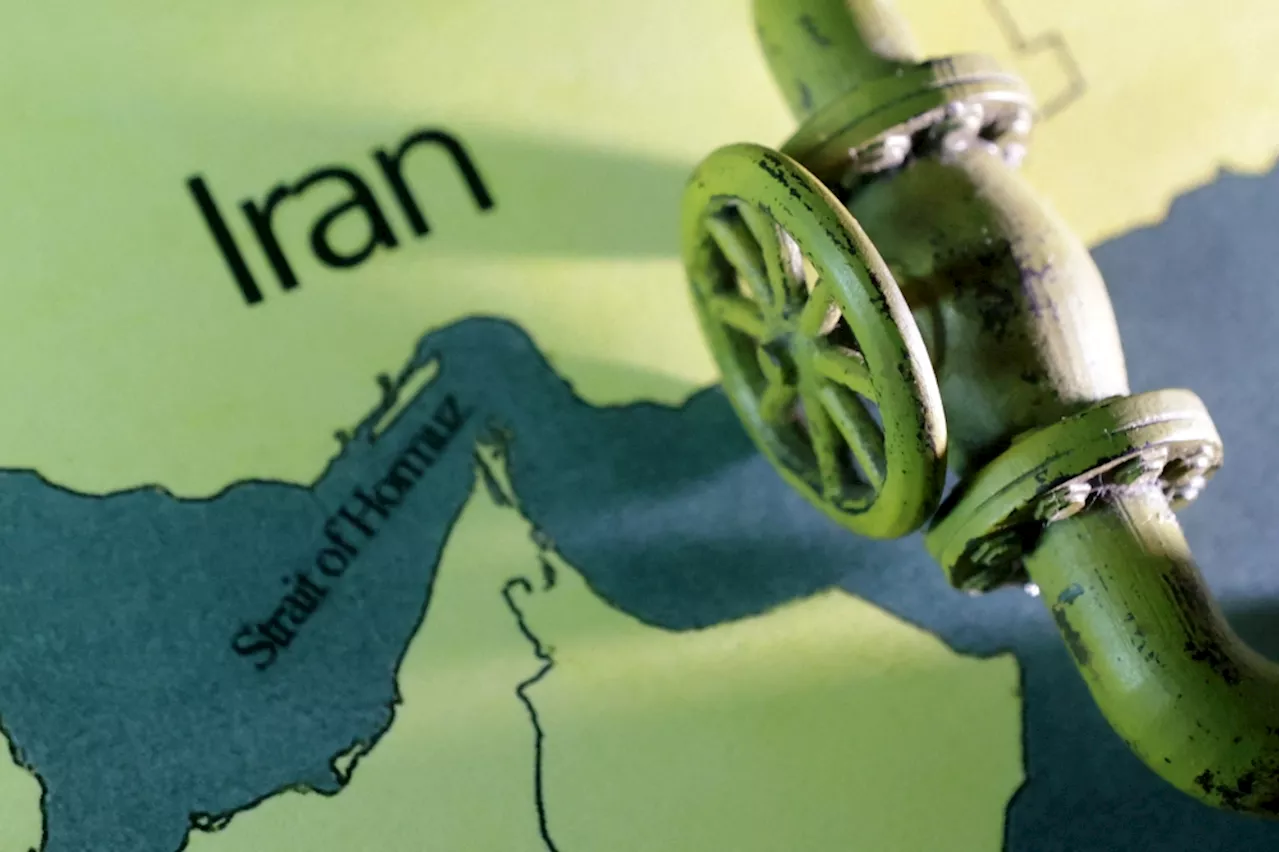
The Strait of Hormuz is one of the world’s most critical energy chokepoints. Approximately 20–21 million barrels of oil per day pass through it accounting for nearly a quarter of global seaborne oil trade. Additionally, around 20% of global LNG (liquefied natural gas) shipments transit this corridor.
Any disruption carries severe implications. A sustained reduction of 30–50% in traffic could remove up to 10 million barrels per day from global supply. Analysts warn that such a scenario could push oil prices to $150–$200 per barrel, depending on the duration and severity of the crisis.
Asian economies including China, India, Japan, and South Korea are particularly vulnerable, as they rely heavily on energy imports passing through Hormuz. For these nations, the stability of this maritime route is directly linked to domestic economic security and industrial continuity.
Limits of US Naval Power in Securing the Strait of Hormuz
The United States maintains a significant military presence in the region, particularly through its Fifth Fleet based in Bahrain. Its capabilities include aircraft carriers, surveillance systems, and mine-clearing operations, allowing it to safeguard key shipping lanes.
However, securing the entire Strait of Hormuz against persistent, low-intensity asymmetric threats presents a complex challenge. Naval mines can be deployed covertly, drones offer high mobility, and ambiguous engagements blur the line between military and civilian targets.
Efforts such as releasing strategic oil reserves or adjusting sanctions provide only temporary relief. Alternative routes like Saudi Arabia’s East-West pipeline and the UAE’s Fujairah pipeline offer limited redundancy but cannot fully replace Hormuz’s capacity. Rerouting shipments around Africa significantly increases transit time and costs, compounding global market pressures.
Iran’s Strategy: Economic Pressure Without Full-Scale War
Iran’s approach reflects a sophisticated understanding of strategic asymmetry. Rather than seeking direct confrontation, it leverages uncertainty as a tool of influence.
Each maritime incident forces insurers, shipping companies, and energy traders to reassess risk effectively creating a “shadow tax” on global energy trade. Rising insurance premiums, increased shipping costs, and delayed deliveries contribute to sustained market instability.
This strategy allows Iran to exert influence over global energy flows without triggering a large-scale military response, making it a potent form of economic warfare in modern geopolitics.
Why the Strait of Hormuz Matters More Than Ever
The Strait of Hormuz is far more than a geographic chokepoint, it is a defining arena where economic stability, military strategy, and geopolitical influence intersect.
While the United States retains formidable military strength, the nature of the challenge diffuse, asymmetric, and economically calibrated complicates traditional notions of dominance. The trajectory of this crisis remains uncertain: it could escalate into broader conflict, stabilize under deterrence, or evolve into a fragile diplomatic equilibrium.
Historical Parallels: Strategic Waterways and Shifting Global Power
History offers valuable insights into the geopolitical importance of maritime chokepoints. The decline of Dutch naval dominance in the 17th century and Britain’s reduced influence following the Suez Crisis illustrate how control over critical waterways shapes global power dynamics.
Today, the Strait of Hormuz presents a similar inflection point. The ability of the United States to ensure secure passage through this corridor has long been central to its global leadership. Any erosion of this capability could signal broader shifts in the international order.
Global Energy Security at Risk: Oil and LNG Flows Through Hormuz
The Strait of Hormuz is one of the world’s most critical energy chokepoints. Approximately 20–21 million barrels of oil per day pass through it accounting for nearly a quarter of global seaborne oil trade. Additionally, around 20% of global LNG (liquefied natural gas) shipments transit this corridor.
Any disruption carries severe implications. A sustained reduction of 30–50% in traffic could remove up to 10 million barrels per day from global supply. Analysts warn that such a scenario could push oil prices to $150–$200 per barrel, depending on the duration and severity of the crisis.
Asian economies including China, India, Japan, and South Korea are particularly vulnerable, as they rely heavily on energy imports passing through Hormuz. For these nations, the stability of this maritime route is directly linked to domestic economic security and industrial continuity.
What is undeniable, however, is the global significance of this corridor. The future of global energy security, oil markets, and geopolitical balance may well depend on how events unfold in the Strait of Hormuz.
In this sense, it is not merely a passage on the map it is a measure of strategic endurance in the 21st century, where power is defined not only by control, but by adaptability.
The writer can be reached at qaisernawab098@gmail.com