



Trade Policy in a New Legal Era
The global trade system was shaken recently by a major legal decision from the United States Supreme Court, which struck down a key component of former President Donald Trump’s tariff policy. In a 6–3 ruling, the Court declared that the administration’s use of the International Emergency Economic Powers Act (IEEPA) to impose sweeping tariffs constituted an overreach of executive authority. The decision reaffirmed a central constitutional principle: the power to levy taxes and duties ultimately rests with Congress.
For more than a year, the administration had relied on IEEPA to justify tariffs on a wide range of imports, framing trade imbalances and supply-chain vulnerabilities as matters of national emergency. The Court’s decision has now placed firm legal limits on the use of emergency economic powers in trade policy, creating significant implications for both domestic governance and global commerce.
Economic Consequences
The economic implications of the ruling are substantial. Estimates from economists at the University of Pennsylvania’s Wharton Budget Model suggest that tariffs imposed under IEEPA generated more than $175 billion in additional costs across global supply chains. With the legal basis for these tariffs invalidated, U.S. authorities may now face extensive refund claims from affected companies.
Large importers as well as smaller businesses are preparing to seek reimbursement for duties already paid. The potential fiscal liability could place significant pressure on the U.S. Treasury and may result in prolonged legal disputes over eligibility and compensation. Even if refunds are eventually issued, the broader economic effects higher consumer prices and disrupted supply chains are unlikely to be fully reversed.
Consumers, who ultimately bore much of the tariff burden through increased prices, have no direct mechanism to recover their losses. Many small and medium sized businesses that absorbed tariff costs in order to remain competitive are also unlikely to be compensated.
A New Tariff Strategy
The Supreme Court ruling has not ended the United States’ protectionist trade approach. Instead, the administration has shifted toward alternative legal mechanisms. On February 20, President Trump invoked Section 122 of the Trade Act of 1974 to introduce a temporary global tariff of 10 percent on imports, effective February 24. The rate was later proposed to increase to 15 percent.
Unlike the emergency powers claimed under IEEPA, Section 122 provides only temporary authority, limiting tariffs to 150 days unless Congress approves an extension. This approach appears designed to maintain leverage in ongoing trade negotiations while allowing time for more permanent measures to be developed.
Future trade actions are likely to rely on established statutory tools such as Section 301 investigations into unfair trade practices and Section 232 measures based on national security concerns. While these mechanisms are more legally durable, they also require longer procedural timelines.
Supporters of the tariffs argue that such measures are necessary to protect domestic industries, reduce trade deficits, and strengthen economic security. Critics, however, contend that broad tariffs raise consumer prices and strain relations with allies without addressing structural trade challenges.
Impact on Global Businesses
For global exporters and manufacturers, the shifting legal framework has created a climate of uncertainty. Businesses that depend heavily on access to U.S. markets face rapidly changing tariff conditions, complicating investment decisions and long-term planning.
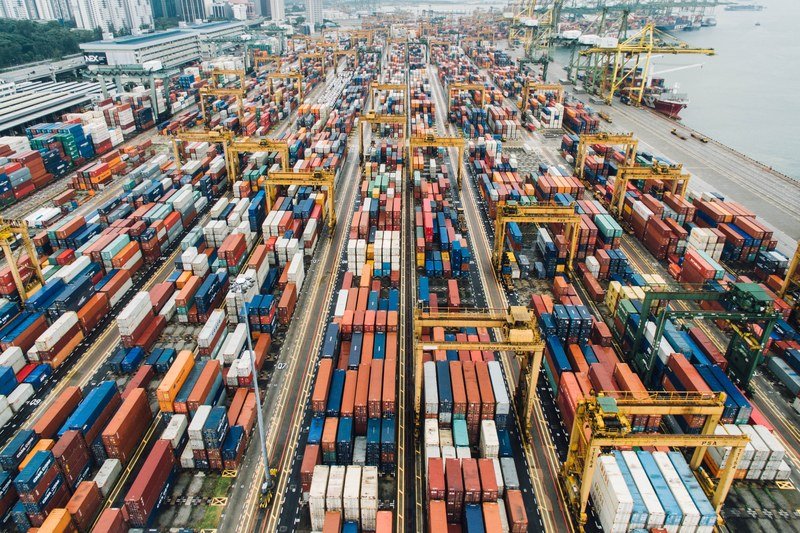
In manufacturing centers such as Yiwu in China, some exporters have diversified into European and South American markets in response to U.S. trade restrictions. Others remain heavily dependent on American demand and continue to face significant risks.
Although the Supreme Court decision represents a legal victory for importers, the practical benefits may take years to materialize. Refund claims and related litigation are expected to move slowly through administrative and judicial channels.
International Reactions
The introduction of new tariffs has prompted concern among major trading partners. European leaders have begun coordinating responses in preparation for negotiations with Washington. Some policymakers have suggested that the European Union may consider countermeasures if the temporary tariffs become permanent.
Potential responses could include targeted tariffs, export controls, or restrictions on U.S. companies’ access to public procurement markets. Such measures would mark a significant escalation in transatlantic trade tensions.
Allied countries in Asia are also reassessing their economic strategies. South Korea, despite substantial investment commitments in the United States, has expressed concern that new tariffs could undermine existing trade arrangements. Policymakers in Seoul have initiated consultations aimed at protecting key industrial sectors.
A New Legal Phase of Trade Conflict
The Supreme Court ruling has reaffirmed constitutional limits on executive authority in trade policy, but it has not eliminated the underlying tensions driving protectionist measures. Instead, it has shifted the battleground from emergency powers to statutory trade law.
Future tariff actions are likely to be more carefully structured to withstand legal scrutiny, relying on established legislative authorities rather than broad emergency claims. As a result, trade conflicts may become more institutionalized and legally complex.
For businesses and governments alike, the emerging lesson is clear: trade tensions conducted within the framework of the law can be just as consequential as those driven by unilateral action. The Court’s decision has reshaped the legal environment, but it has not resolved the deeper economic and political forces behind the current era of trade friction.