

Launch of Pakistan Women Parliamentary Leaders’ Portal & High-Level Dialogue on Women’s Political Participation
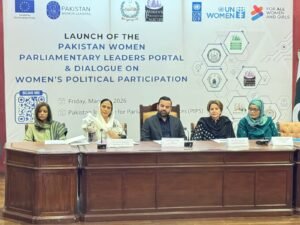
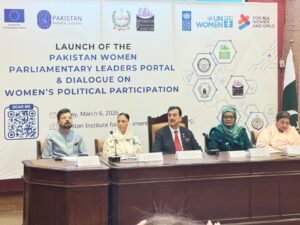
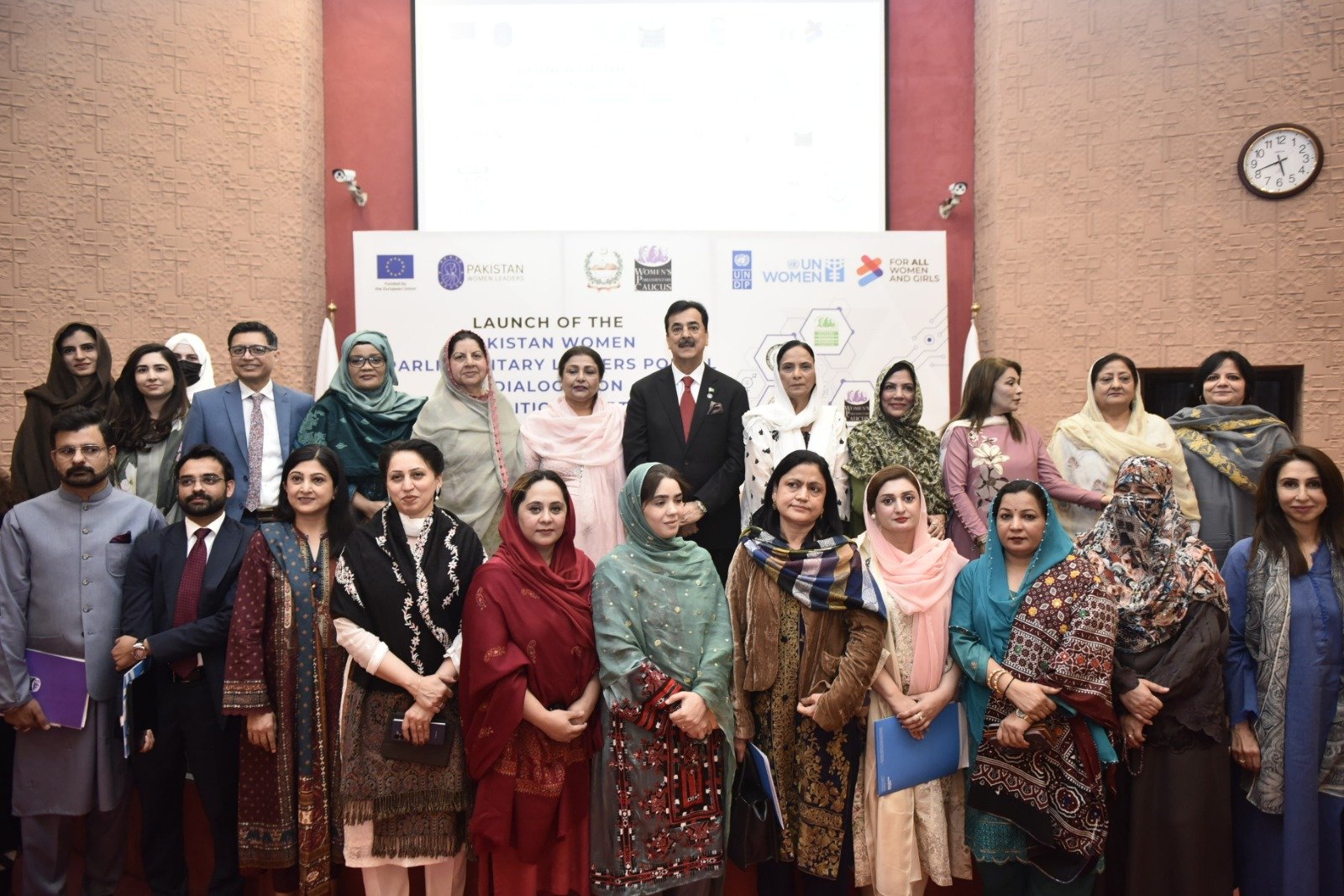
Islamabad – 6 March, 2026 (Adnan Hameed) : Ahead of International Women’s Day (March 8), the Women’s Parliamentary Caucus (WPC) of the National Assembly, under the convenorship of its Secretary, Dr. Shahida Rehmani, MNA, hosted the Launch of the Women Parliamentary Leaders’ Portal and a Dialogue on Women’s Political Participation at the Pakistan Institute for Parliamentary Services, Islamabad, in collaboration with UN Women and the European Union.
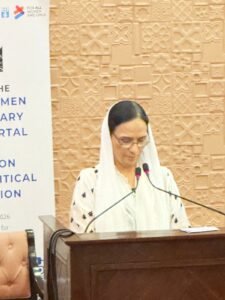
In her opening remarks, Dr. Shahida Rehmani noted that while Pakistan has made significant progress in women’s parliamentary representation through the constitutional quota system, the focus must now shift to ensuring meaningful and effective participation, says press note. She emphasized that WPC is actively engaging parliamentarians, experts, and civil society to strengthen the quota framework and promote reforms that enable women to contribute fully to Pakistan’s democratic governance. Dr. Rehmani also announced the Pakistan Women Parliamentary Leaders’ Portal, a digital platform designed to strengthen coordination among national and provincial Women’s Parliamentary Caucuses, showcase women parliamentarians’ legislative contributions, and create spaces for knowledge sharing, policy dialogue, and citizen engagement.
The Chief Guest of the ceremony, Syed Yousaf Raza Gilani, in his keynote address emphasized that democracies flourish only when women participate in decision-making on an equal footing, noting that inclusive representation is both a democratic imperative and a national necessity. He stressed that sustainable development depends on the political and economic empowerment of women. Recalling his tenure as Prime Minister, he highlighted key reforms for women’s protection and empowerment, including the Protection against Harassment of Women at the Workplace Act, 2010, Acid Control and Acid Crime Prevention Act, 2010, Prevention of Anti-Women Practices Act, 2011, and Women in Distress and Detention Fund (Amendment) Act, 2011, along with initiatives such as the Benazir Income Support Programme and the establishment of the Women’s Parliamentary Caucus, which strengthened women’s socio-economic and political participation. He also paid tribute to pioneering leaders including Fatima Jinnah, Shaista Ikramullah, and Benazir Bhutto, reiterating that women’s presence in Parliament is essential and reaffirming the Senate’s commitment to advancing women’s rights and representation. Concluding his remarks, he stated, “Opportunity must be determined not by gender, but by merit and determination. Women of Pakistan are not waiting—they are shaping the future and defining democracy.”
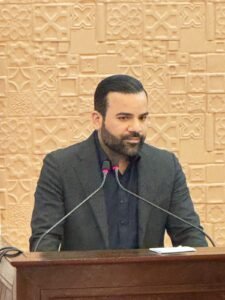
Barrister Aqeel Malik, Minister of State for Law & Justice, highlighted the vital role of women in Pakistan’s democratic journey. Paying tribute to trailblazing leaders such as Mohtarma Fatima Jinnah, Shaheed Mohtarma Benazir Bhutto, and Chief Minister Punjab Ms. Maryam Nawaz, he noted that women parliamentarians actively serve their constituencies, participate within their parties, and contest elections, demonstrating that their role extends beyond reserved seats. He commended the Portal as a forward-looking initiative that will promote coordination, knowledge sharing, and gender-responsive legislation across federal and provincial legislatures.
The launch featured a panel discussion on “Strengthening Women’s Political Participation in Pakistan,” moderated by the Special Secretary (Special Initiatives) of the National Assembly, Syed Shamoon Hashmi. Panelists included Begum Ishrat Ashraf (WPC Punjab), Shaista Pervaiz (Parliamentary Taskforce on SDGs), Dr. Nafisa Shah (Chairperson, Special Committee on Gender Mainstreaming), Ms. Tanzila Um-e-Habiba (WPC Sindh), Ghazala Gola (Deputy Speaker, Balochistan Assembly), Naeema Kishwer Khan, and Samina Khalid Ghurki. Discussions highlighted the need for financial and political support for women legislators, inclusive participation at all levels, dismantling structural barriers, and empowering women from middle- and lower-middle-class backgrounds to participate in collective decision-making. Dr. Nafisa Shah also expressed grave concern over the martyrdom of schoolgirls in Iran and called for international action to protect women and children globally.
The Pakistan Women Parliamentary Leaders’ Portal is a long-term institutional resource designed to foster knowledge sharing, strengthen connections among legislators, researchers, and policy experts, and support coordination between federal and provincial legislators for effective law-making. Its features include legislative mapping of pro-women laws, gap analysis with recommendations, mentorship programs, online courses, and a mentorship initiative. The Portal also facilitates gender-responsive budgeting, preserves institutional memory, and links the public with legislators. It is bilingual and accessible to visually impaired individuals, ensuring inclusive access.
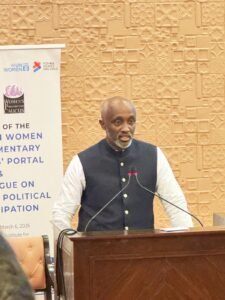
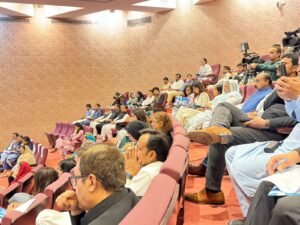
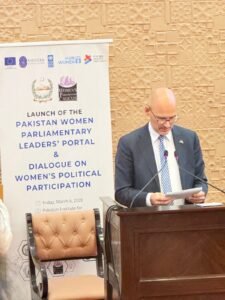
The event was attended by MNAs Kiran Haider & Shahnaz Saleem Malik and senior officials including Mohamed Yahya (UN Resident Coordinator), Philipp Oliver (Deputy Chief of Mission, EU Delegation), Jamshed Kazi (UN Women), civil society representatives, youth, and media.
Dialogue Held on Women’s Political Participation in Pakistan


Stay Connected