



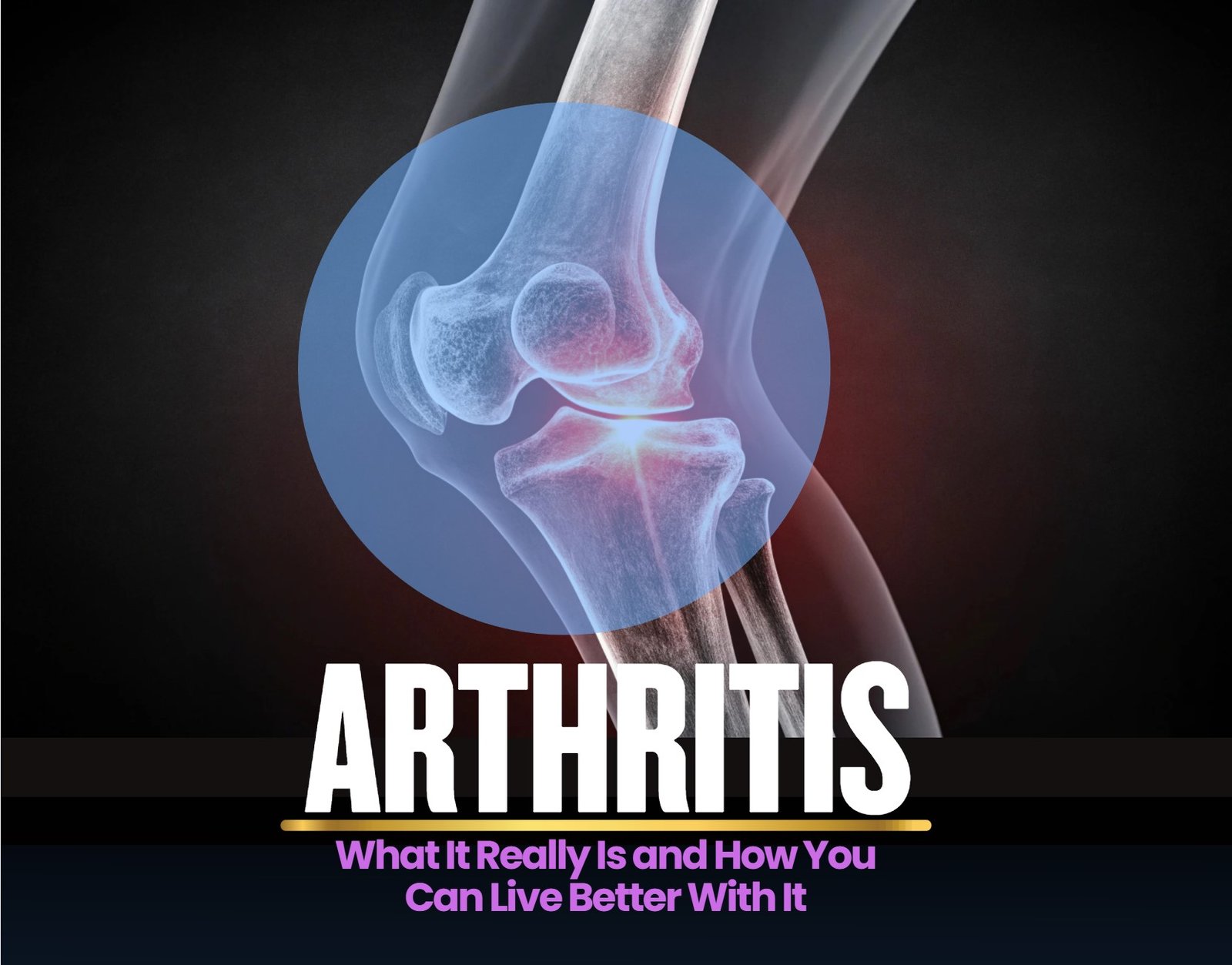
What It Really Is and How You Can Live Better With It
While arthritis is common, it is also widely misunderstood. Many people try to hide their pain or assume it is normal. But understanding what is happening inside the joints can make a big difference in how the condition is managed.
Arthritis is not just “getting old.” It is a group of more than 100 conditions that can affect people of any age. These conditions cause pain, stiffness, swelling, and trouble moving the joints. They can affect daily activities, work, sleep, and overall quality of life.
What Arthritis Truly Is
Arthritis is often treated as an ailment, but its umbrella covers conditions as diverse as osteoarthritis (OA), the mechanical “wear and tear” that erodes cartilage, and rheumatoid arthritis (RA), an autoimmune attack in which the body mistakenly destroys its own joints. There is gout, once considered the curse of kings but now a rising metabolic concern; psoriatic arthritis, entangled with immune pathways of the skin; lupus arthritis, which carries systemic risks; and rare genetic syndromes.
Arthritis works differently depending on the type. In osteoarthritis, the smooth cartilage that protects the ends of bones slowly wears away. When the cartilage becomes thin, the bones start to rub against each other. This causes pain, swelling, and sometimes a grinding feeling. Movements that used to feel easy, like climbing stairs or standing up, may become uncomfortable.
Rheumatoid arthritis works in another way. It is an autoimmune disease, which means the immune system mistakenly attacks the joints. This leads to swelling, heat, and thickening of the joint lining. Over time, the inflammation can damage cartilage and bone.
A Crisis That Begins Earlier Than We Think
There are many reasons why arthritis develops. Age plays a role, but it is not the only factor. Genetics can increase risk, and certain genes have been linked to autoimmune arthritis. Joint injuries, from sports, accidents, or repetitive strain at work, can trigger arthritis years later.
Being overweight increases pressure on the knees and hips. Infections, smoking, stress, and diet may also influence how likely someone is to develop arthritis. Women are more often affected, partly because of hormones and differences in immune responses.
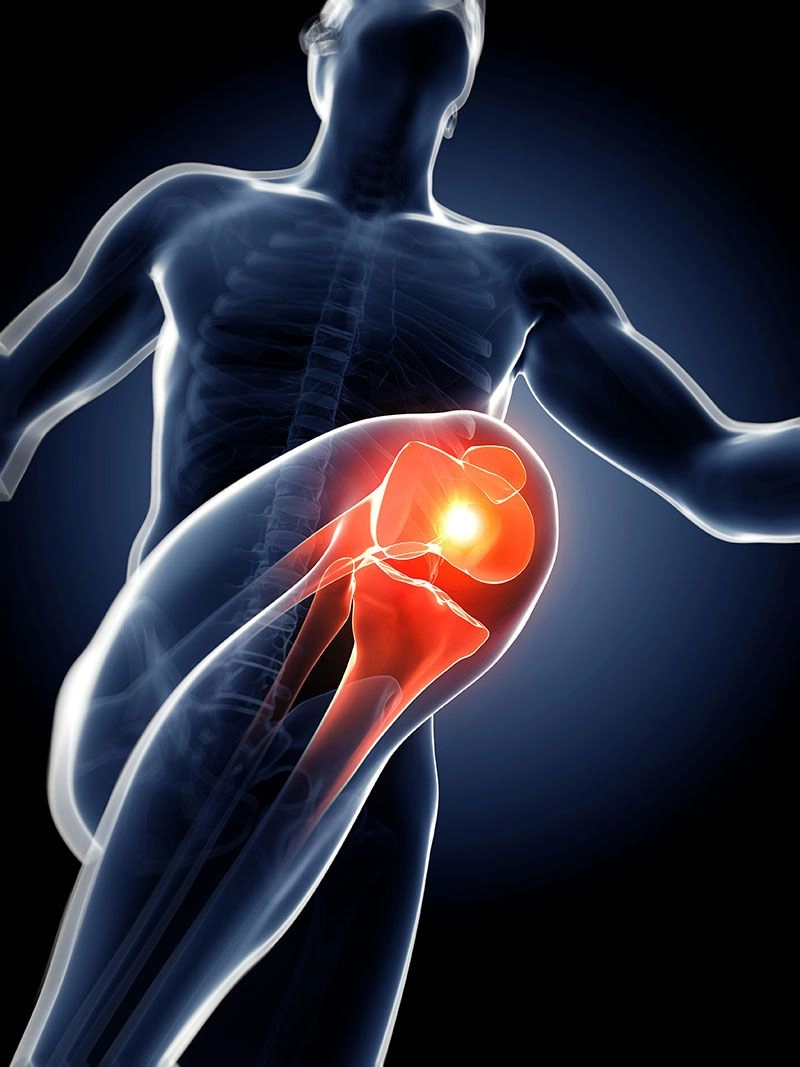
Impact of Untreated Arthritis
The impact of arthritis goes beyond the physical symptoms. Chronic pain can affect sleep, mood, and concentration. Many people feel frustrated when everyday tasks, opening jars, typing, and walking, become harder. Fatigue is common, especially with autoimmune forms. Over time, untreated arthritis can lead to reduced mobility and changes in lifestyle. These challenges often go unnoticed by others, which can make the experience even more isolating.
Movement: Best Tools for Relief
The good news is that arthritis can be managed, and many people live active lives with the right combination of medical care and daily habits. Movement is one of the most important tools. It may sound counterintuitive why move when your joints hurt? But gentle exercise actually helps reduce pain and stiffness. Activities such as walking, swimming, cycling, yoga, and stretching improve joint lubrication and strengthen the muscles that support the joints. Even when a joint is painful, slow and controlled movement often prevents the stiffness from getting worse.
Why Medical Treatment Matters
Medical treatment is very important, especially for autoimmune arthritis. Early diagnosis can prevent long-term damage. For osteoarthritis, doctors may recommend pain relievers, physical therapy, or injections. For rheumatoid arthritis and similar conditions, medications that calm the immune system (such as DMARDs, biologics, and JAK inhibitors) can prevent joint damage and improve quality of life. When a joint is severely damaged, surgery such as hip or knee replacement can restore mobility and significantly reduce pain.
Simple Home Treatments That Help
Simple home treatments can help too. Heat, such as warm showers, heating pads, or warm towels, can loosen stiff joints and relax tight muscles. Cold packs help reduce swelling and numb sharp pain, especially during flare-ups. Many people benefit from a mix of both, depending on their symptoms.
Prevention Starts Now
Prevention is possible for many forms of arthritis. Maintaining a healthy weight protects the joints. Building muscle strength through regular exercise reduces strain. Using proper posture, taking breaks from repetitive tasks, and treating injuries early can all lower the risk. For people with a family history of arthritis or early morning stiffness, checking in with a doctor can help catch problems early.
Future Medicine
Research continues to evolve. Scientists are studying how genes, diet, and gut bacteria affect inflammation. New tools like wearable devices and improved imaging can help detect joint problems sooner. Regenerative medicine, cartilage repair, and more personalized treatments are areas of growing interest.
Living Well With Arthritis
Arthritis may be a long-term condition, but it does not have to control your life. With awareness, early care, and a combination of movement, nutrition, and medical guidance, most people can manage their symptoms and stay active. Understanding arthritis is not only about knowing what is happening inside the joints, it is about learning what you can do each day to protect them and live well.
Power of an Anti-Inflammatory Diet
What you eat can make a real difference in how you feel with arthritis. Since most forms of arthritis involve inflammation of the joints, an anti-inflammatory diet helps calm that process, ease pain, and improve mobility, all while supporting your body’s natural healing.
At the heart of this diet are whole, unprocessed foods. Think colorful fruits and vegetables, whole grains, and healthy fats like olive oil, nuts, and seeds. Fatty fish such as salmon, sardines, and mackerel are stars of the menu because they’re rich in omega-3 fatty acids, natural compounds that reduce joint swelling and stiffness.
Another quiet hero is bone broth. Simmered slowly from animal bones and connective tissue, bone broth is packed with collagen, gelatin, and amino acids like glycine and proline, the same building blocks found in your cartilage and ligaments. Drinking a cup of bone broth daily or using it as a base for soups and stews can help rebuild joint tissue, reduce inflammation, and even improve gut health, which plays a surprising role in controlling inflammation throughout the body.
The anti-inflammatory plate also includes berries, leafy greens, tomatoes, turmeric, and ginger, all rich in antioxidants that fight the cellular damage linked to arthritis. Meanwhile, it’s best to limit processed foods, sugary drinks, refined flours, and oils like corn or sunflower, which tend to worsen inflammation.
In essence, this is not a “diet” but a lifestyle that nourishes every system of your body. Combined with regular movement and good hydration, an anti-inflammatory diet, enriched with bone broth and wholesome ingredients, can help keep your joints flexible, your pain manageable, and your body feeling stronger from the inside out.
A Tradition Worth Reviving
Bone broth connects us with centuries of healing wisdom. It’s affordable, deeply nourishing, and comforting, a food that heals from the inside out. For those with arthritis, it’s not just soup; it’s a slow medicine, explains Dr. Kaayla Daniel, restoring mobility, easing pain, and rebuilding strength, one simmering pot at a time.
Bone broth is more than soup. It’s a slow-cooked infusion made by simmering bones, joints, skin, and connective tissue — along with vegetables and herbs — in water for many hours. This slow extraction releases gelatin, collagen, minerals, and amino acids such as glycine, proline, and glutamine — nutrients your body needs to build cartilage, strengthen bones, and repair the gut lining.
How Bone Broth Helps
For people suffering from arthritis, bone broth supports the scaffolding of the bones and joints — the collagen network that gives them strength and flexibility. While broth is low in calcium, it’s rich in collagen fibers, which act like “rebar” inside a building, giving bones structure and preventing them from becoming brittle. The amino acids in broth help form collagen, heal inflamed tissues, and reduce joint pain by lowering systemic inflammation.
Glycine and proline also support gut health and detoxification, which are vital for reducing autoimmune flare-ups common in rheumatoid arthritis. Dr. Daniel calls broth “nature’s joint supplement,” as it naturally contains the same compounds sold in glucosamine and chondroitin tablets, but in a more absorbable form.
How to Make a Healing Broth
The slow simmer is what extracts gelatin, marrow, and cartilage into the liquid. For joint-healing benefits, cook:
- Chicken broth: 6 to 12 hours
- Beef or lamb broth: 24 to 48 hours
CAUTION: Avoid store-bought “broths” that contain additives like MSG or “natural chicken flavor”